
Key Takeaways
- Multi-lock geometry ensures consistent torque transmission during specific drilling scenarios.
- Rotary lock components stabilize the inner and outer sections under varying drilling depths.
- Everstar’s Kelly bars adapt to multiple rigs, supporting different drilling depths and challenging ground conditions.
- Installation techniques improve alignment, help reduce general operational wear, and maintain optimal working conditions.
- Performance monitoring keeps drilling efficiency high across multiple soil layers and rock hardness variations.
The multi-lock Kelly bar stands out in drilling projects that demand predictable torque, stable rotation, and structural durability.
Everstar’s Kelly bars deliver controlled power transfer for rotary drilling rigs with deep foundation drilling requirements or rock-drilling sequences.
This system support the construction and drilling industry with structural design, providing precise torque transmission and smooth operation even when drilling conditions shift between soft soil and hard rock.
Everstar’s lineup covers friction Kelly bars, interlocking Kelly bars, and multi-lock Kelly bar assemblies, designed for varying drilling depths in the deep foundation industry, as explained in detail in our guide to different Kelly bar types.
The application of each Kelly bar type depends on torque and crowd force management while keeping the drilling rig stable, especially during high torque operations or transitions between multiple soil layers.
Multi-lock Kelly Bar Design and Function in Drilling Operations
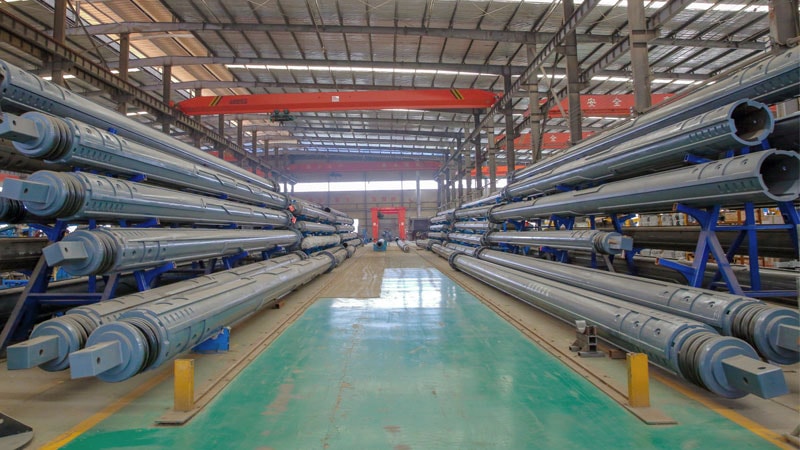
A Kelly bar consists of inner and outer sections that slide, lock, and rotate as the drilling process advances. These key components work with the rotary table and rotary drive to maintain rotational force and transfer torque into the drilling rig and drill column without excessive vibration.
The outer surfaces of the Kelly bar support the structural load, while lock devices and drive keys regulate torque and crowd pressure.
Everstar Kelly bars are designed for predictable movement and stable load handling, especially when drilling operations require different drilling depths or frequent changes in crowd system settings.
These Kelly bars offer superior control across construction projects that depend on consistent drilling depth, maximum torque stability, and efficient drilling traction.
Rotary Lock and Component Features
Rotary lock mechanisms rely on a sequence of drive keys, lock recesses, and square-head interfaces to secure the Kelly during drilling operations. These components support torque and crowd force distribution without overstressing the drilling rig or overloading the rotary drive.
Everstar’s interlocking Kelly bars and friction Kelly bars use reinforced lock recesses to keep each section aligned under challenging drilling conditions.
This secure connection enhances torque control, reduces vibration, and maintains accuracy during the desired depth progression. Standard Kelly bars also help transfer torque more efficiently during demanding drilling operations where rotational force must stay consistent.
Power Transfer and Drilling Projects Efficiency
Efficient torque transmission is essential for maximizing drilling efficiency, especially during deep drilling or transitions across rock hardness variations.
With Everstar’s Kelly bars, torque transmission remains stable as the Kelly interacts with the crowd system, concurrently forcing the rotary table movement.
Multi-lock Kelly bars designs maintain steady power delivery under load, keeping drilling speed predictable and reducing the likelihood of vibration spikes that could damage the drilling rig.
The drilling tool systems support torque and crowd force balance to meet specific drilling requirements, allowing operators to maintain efficient drilling and a predictable process across the ground conditions.
Installation, Compatibility, and Drive Keys Transfer Techniques

Choosing the right Kelly bar depends on the drilling rig specifications, drilling requirements, and the desired drilling depth. Everstar supports piling rigs, hydraulic rotary drilling rigs, and rotary drilling rigs through tailored Kelly bar extensions and telescopic Kelly bars for varying depths.
During installation, foundation engineering operators align the drill pipe or Kelly bar, position the Kelly joints, and verify friction Kelly or interlocking Kelly configurations. The accuracy of the drilling process ensures proper torque transfer and controlled movement, helping reduce wear during drilling operations.
Drilling Rig Compatibility and Adaptation
Everstar supports contractors in evaluating drilling tool specifications and drilling depth ranges to determine whether interlocking Kelly bars, friction Kelly bars, or a multi-lock Kelly bar system offers the best performance.
When Kelly bar choosing depends on ground conditions or deep-drilling scenarios, Everstar recommends interlocking Kelly or multi-lock Kelly bar assemblies. For soft to medium-density soil applications, friction Kelly configurations are more suitable.
Matching the right Kelly bar to a drilling rig requires understanding of Kelly bar type, crowd system characteristics, and maximum torque limits.The right Kelly bar delivers stable torque, minimal wear, and a long service life across all drilling operations.
Kelly bars Installation Steps
Installation of drilling tool covers preparation, lock-in, torque checks, and controlled testing of the rotary table and rotary drive alignment. Operators confirm that the outer sections lock correctly, ensuring the Kelly bar has aligned drive keys, secure lock recesses, and a stable square-head interface.
During testing, engineers adjust torque, crowd pressure, and crowd force parameters to maintain an optimal working condition. These procedures ensure Kelly bars provide predictable movement and efficient drilling once drilling operations begin.
Maintenance and Site Performance
Routine inspection keeps the Kelly bar system and rotary drilling rigs stable under challenging drilling conditions. It is crucial to track wear on drive keys, lock recesses, and outer surfaces, especially for rigs working under high torque operations.
This is also the stage where the GRI guidelines on equipment stewardship and the insights from the USGS drilling research program may help reinforce long-term planning and environmental responsibility for drilling projects.
Regular inspection of drilling tools prevents misalignment, reduces downtime, and maintains torque stability. Everstar’s maintenance recommendations support Kelly bar extensions, frictional contact areas, and interlocking Kelly bar assemblies to keep consistent drilling efficiency over time.
Maintenance Scheduling
Service schedules depend on rock hardness exposure, drilling conditions, and drilling depth frequency. Everstar suggests periodic checks of drive keys, lock devices, and crowd system settings to avoid torque imbalance.
This prevents premature wear and vibration, keeping the Kelly bar type stable during drilling operations.
Performance Monitoring
Monitoring torque, crowd force, friction Kelly bar interaction, and interlocking Kelly performance allows operators to maintain drilling efficiency across all ground conditions.
Everstar advises recording torque and crowd force fluctuations during drilling operations to adjust drilling speed and reduce the risk of misalignment.
FAQ – Multi-lock Kelly Bar
What’s the main benefit of a multi-lock Kelly bar?
The main benefit is consistent torque delivery under load. A multi-lock system stabilizes inner and outer sections, keeps rotation aligned, and reduces vibration through controlled lock recesses and drive keys. This improves drilling efficiency and maintains power transfer even under challenging drilling conditions or varying soil layers.
How do rotary locks improve drilling accuracy?
Rotary locks improve accuracy by stabilizing torque flow. Their drive keys and lock recesses keep each section aligned under rotation, preventing side-loading and vibration fluctuations. This enhances drilling alignment, maintains steady penetration rates, and helps the drill pipe remain stable during transitions between multiple soil layers or more complex rock surfaces.
How do I know which Kelly bar suits my rig?
The right choice depends on rig specifications and soil. Engineers evaluate torque limits, desired depth, rock hardness, and the capacity of the crowd system. Interlocking Kelly systems handle challenging ground conditions, while friction Kelly bars suit moderate soil conditions. Everstar reviews each drilling rig to select a Kelly bar type that ensures efficient drilling and minimal wear.
Conclusion: Unlocking the Multi-lock Kelly Bar Benefits

Everstar’s Kelly bars combine rotary lock stability, precise torque transmission, and compatibility with multiple drilling rigs.
These systems support deep drilling, controlled torque and crowd force distribution, reliable drilling depth performance, and long service life across all drilling operations.
Request Everstar’s Kelly Bar Compatibility Review
For tailored recommendations, Everstar offers compatibility checks, technical assessments of rig specifications, and guidance on selecting the right Kelly bar for drilling projects that require stable torque transfer and efficient drilling performance.

