
Key Takeaways
- Establishing structured maintenance practices prevents sudden mechanical failure and accidents.
- Proper lubrication and daily inspections are the most effective ways to extend component life.
- Monitoring the hydraulic system and hydraulic oil levels is vital for power delivery.
- Detailed assistance records help identify patterns that could accelerate wear if left unaddressed.
- Everstar supplies heavy-duty Kelly bars and drilling tools designed for high-torque rotary drilling environments.
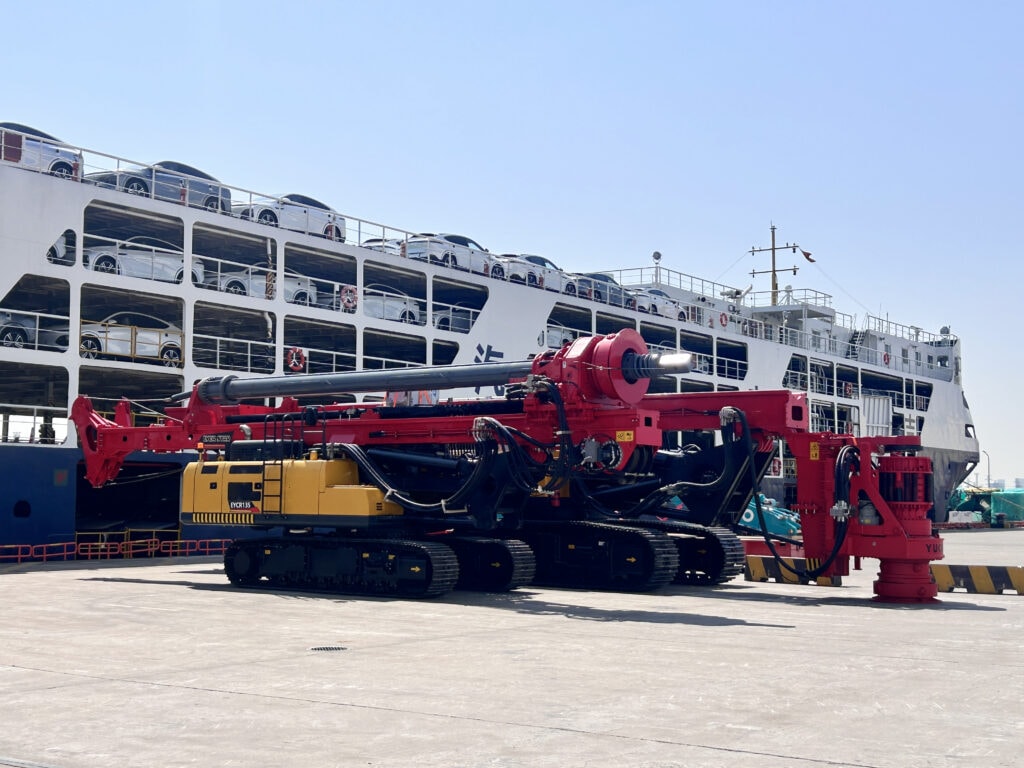
A rotary drilling rig is a high-value asset that operates under extreme mechanical stress, making proper maintenance essential to performance, safety, and longevity.Implementing best practices for rotary drilling rig care—especially regular component inspections and proper lubrication—helps prevent premature wear, unexpected failures, and costly downtime.
From bearings and hydraulic systems to the drilling tools themselves, every component plays a critical role in operational efficiency. By following manufacturer guidelines and investing in durable equipment, contractors can maximize drilling performance and ensure long-term reliability on site.
Operating a rotary drilling rig involves managing capital-intensive assets that require disciplined maintenance to ensure long-term profitability. These complex systems depend on the seamless interaction of heavy equipment and precision drilling tools to operate in harsh ground formations.
Everstar Machinery plays a vital role in this cycle by supplying high-quality wear parts, such as replacement teeth and Kelly bars, which are essential to maintaining drilling operations. By focusing on proper component maintenance, fleet managers can significantly reduce costly downtime and ensure that every drilling machine in their inventory delivers optimal performance throughout its service life.
Structuring a Maintenance Program
A successful job site relies on a properly maintained drilling rig to stay on schedule. Organizing maintenance activities into logical stages ensures that no critical system is overlooked during busy projects.
Daily, Weekly, and Major Service Intervals
Effective service schedules must be adjusted for the specific operation environment, especially during hot weather or cold weather.
- Daily Tasks: Operators mustregularly check for leaks, loose bolts, and unusual noises before starting the engine. It is also necessary to clear debris from the moving parts to prevent contamination.
- Weekly Service: Focus on proper greasing of all pivot points and inspecting the wire rope for fraying. Checking the mast for structural integrity is also a crucial weekly task.
- Major Overhauls: These include replacement of filters, changing the hydraulic oil, and a full inspection of the hydraulic pump and motors. Scheduled repairs are always cheaper than emergency fixes.
Maintenance Records and Condition-based Monitoring
Keeping detailed records is the only way to track the true health of your drilling equipment. By monitoring vibration levels and cylinder speeds, technicians can spot early signs of wear.
Reliable maintenance involves more than just fixing what is broken; it is about achieving optimal performance. Using digital logs to track lubrication intervals ensures that every machine receives the proper use it deserves. Early detection of potential hazards saves time and protects the crew from preventable accidents.
Critical Components and Inspection Points
Specific components are under constant stress during rotary drilling and require specialized attention to lead to a smooth operation.
Rotary Head, Kelly Bar, and Tooling Interfaces
The interface between the drilling machine and the ground is where most wear occurs.
- Rotary Head: The motors and gears within thehead require proper lubrication to handle high torque. Inspect the housing for cracks and ensure all bolts are torqued correctly.
- Kelly Bar: As a heavy-duty telescopic component, the Kelly bar must be kept clean to prevent contamination between sections. Everstar provides reinforced Kelly bars that maintain optimal performance under extreme loads.
- Drilling Tools: Whether using a drill pipe or a bucket, the drilling tools must be checked for integrity. Replace worn bucket teeth or bullet teeth immediately to avoid putting extra pressure on the rig.
Hydraulics, Undercarriage, and Structural Welds
The hydraulic system is the lifeblood of the drilling rig, powering every cylinder and motor.
- Hydraulic Maintenance: Check the hydraulic tank for contamination and ensure oil levels are within the manufacturer’s recommendations. Leaks in the hydraulic system can cause a sudden loss of pressure, according to the International Association of Drilling Contractors(IADC).
- Undercarriage: Inspect the tracks for loose bolts and ensure the machine is balanced. A properly maintained undercarriage prevents unnecessary vibration that can damage the mast.
- Structural Welds: The mast and frame are subject to fatigue. Inspect these areas for cracks that could lead to structural failure during drilling.
Lubrication, Cleaning, and Storage Practices

Maintaining the rig’s moving parts requires consistent lubrication and environmental protection.
Lubricant Selection and Application
Using the right grease is essential for protecting metal-on-metal components. Proper lubrication reduces friction and prevents heat buildup that can accelerate wear.
Ensure you use oil and grease designed for the current climate, as cold weather requires thinner lubricants. Follow the specified lubrication intervals to ensure the system remains sealed against debris. Consistent greasing is the simplest way to extend the life of your drilling tools.
Cleaning After Drilling and Off-season Storage
Cleaning the rig after the job is finished is a crucial step in maintenance.
Removing hardened debris prevents rust and allows for a clearer inspection of the components. Before long-term storage, replace any broken parts and coat the cylinder rods with a protective film. Properly storing equipment ensures it is ready for the next project without costly downtime.
FAQs – Maintenance of Rotary Drilling Rig
How to maintain a rotary hammer drill?
Maintaining a rotary hammer drill requires consistent cleaning and proper lubrication of the chuck and internal gears. After each operation, remove debris from the air vents to prevent contamination. Regularly check for wear on the brushes and replace them as needed. Following these maintenance practices ensures the tool will maintain optimal performance and extend its overall life significantly.
How often should Kelly bars and rotary heads be inspected?
Kelly bars and rotary heads should undergo visual inspections daily to check for leaks and loose bolts. A more detailed service of the lubrication levels and drive keys should occur weekly. Following the manufacturer’s recommendations, a major inspection of the hydraulic connections and internal components is essential every 500 hours to avoid costly downtime.
What are the three types of lubrication systems?
The three types of lubrication systems include manual, centralized, and fully automatic delivery methods. Manual systems require a technician to apply grease to each point. Centralized systems allow for lubricating multiple components from one manifold. Automatic systems use a pump to deliver oil or grease at set lubrication intervals, which is essential for smooth operation.
Conclusion: Protecting Your Rotary Drilling Investment Through Smart Maintenance

A well-maintained rig is a rig that produces results. By prioritizing the maintenance of rotary drilling rig — including proper lubrication, frequent inspections, and the use of high-quality components — contractors can extend the life of their equipment.
Everstar Machinery is committed to helping contractors to uphold optimal performance by supplying the most durable drilling tools and Kelly bars in the industry. Smart maintenance practices reduce downtime and ensure every drilling project is completed safely and efficiently.
Ask Everstar About Maintenance-friendly Tools and Replacement Components
Ready to upgrade your drilling equipment? Contact Everstar for guidance on spare parts, Kelly bars, and rotary drilling tools that simplify your maintenance routine. Our components are engineered to maintain optimal performance in the toughest conditions.

