

Key Takeaways
- Correct stabilizer setup, boom-and-stick sequencing, and digging-depth control improve trench quality while protecting utilities and operators.
- Efficient material handling tasks with loader buckets, forks, and grapples supports faster loading trucks, cleaner stockpiles, and safer debris management.
- Quick couplers and compatible backhoe attachments allow rapid task changes, improving efficiency across excavation, demolition, and landscaping work.
- Consistent operating discipline and safety routines can unlock 20–30% gains in productivity while extending machine life and reducing downtime.
A modern front end loader with backhoe remains one of the most versatile machines on today’s construction site. By combining a front loader and a rear backhoe into a single powerful machine, contractors gain the double-duty functionality without the cost, transport complexity, or crew requirements that come with larger equipment.
For small- to mid-scale construction projects, utilities, and landscaping work, this balance of power, mobility, and control in a single device is difficult to match.
Drawing on Everstar’s experience supporting contractors and municipal fleets, this article outlines the core applications of backhoe loaders, from excavating and trenching to material handling and demolition.
It also covers practical operating techniques, attachment strategies, and safety habits that help operators work more efficiently across different terrains while maintaining machine stability and reliability.
Excavation and Trenching Tasks: Digging Trenches with Backhoe Loaders
Backhoe loaders excel where precision and control are needed. The rear arm ensures accurate digging depth, while the front loader manages spoil and site cleanup. Compared with mini excavator models (often called diggers), a loader backhoe offers material-handling capabilities and, unlike larger machines, is easier to maneuver on tight sites.
Utility Trenching with a Tractor Loader Backhoe (1–2 m Digging Depths)
For typical utility trenches, align the tractor loader backhoe over the trench and deploy stabilizers fully. Keep the front bucket lightly on the ground to stabilize and distribute operating weight.
Controlled boom and stick movements maintain straight walls and a level bottom. Using attachment compatibility, such as thumbs or clamps, enables accurate pipe placement while minimizing manual handling.
Material Handling and Loading Capabilities
The front loader plays a key role in material handling on mixed-task projects. While wheel loaders handle higher volumes, backhoe loaders provide sufficient capacity for most site logistics while retaining excavation capability in a single machine.
Gravel and Soil Stockpiling with Backhoe Loader Front Buckets
For gravel and soil handling, efficient scoop, curl, and dump cycles reduce fuel use and machine wear. Enter the pile with the bucket low and flat, curl smoothly as the machine advances, and carry loads low for stability. Radial stockpiling helps maintain material consistency while improving overall site productivity.
When building stockpiles, work in a radial pattern to reduce material segregation. Dumping evenly and climbing the pile gradually improves stability and keeps finer material from settling at the base, making later loading more consistent.
Pallet and Debris Lifting for Efficient Material Handling
With fork attachments installed, backhoe loaders can safely lift pallets, pipe bundles, and debris. Keep loads fully supported, tilted slightly back, and carried low to maintain balance. Smooth steering and controlled braking reduce load shift and improve operator safety on uneven ground.
When dumping debris into skips or trucks, lift only as high as required and use smooth bucket movements. Sequenced dumping reduces spillage and minimizes stress on the loader arms.
Demolition and Breaking Work on Restricted Job Sites
Backhoe loaders are frequently used for light-to-medium demolition, especially in urban environments where access and noise restrictions apply. Their ability to break, sort, and load debris with one machine improves efficiency on compact sites.
Rippers and Hammers for Concrete and Rock Based on Operating Weight
Rippers and hydraulic hammers allow backhoe loaders to handle light demolition and ground breaking. Attachment size should match the machine’s operating weight to ensure efficient impact without overstressing components. Controlled hammering improves breakage consistency and reduces wear on the boom and arm.
Grapples for Brush and Metal Sorting
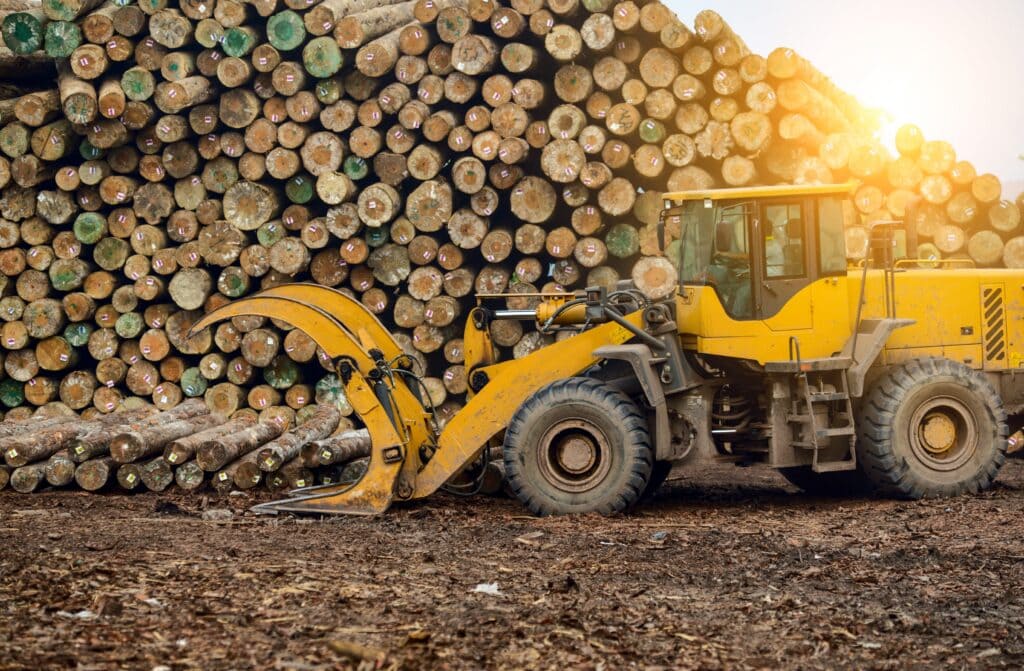
Grapples enhance debris handling by allowing secure grip on irregular materials. Adjust jaw pressure to hold logs, scrap metal, or concrete without crushing recyclable items. Smooth swing movements reduce load sway when loading trucks or placing dirt in designated zones.
Separating brush, metal, and general debris at the site improves safety and simplifies disposal or recycling, especially on demolition and cleanup projects.
Landscaping and Grading Applications for Backhoe Loaders
Backhoe loaders are well suited for landscaping because they combine precise excavation with controlled grading. Their compact footprint allows access to residential or finished areas where larger machines would cause damage.
Berm and Pond Creation with a Powerful Machine
Use the backhoe arm to shape berms or ponds, placing material precisely and smoothing contours. The front bucket can back-drag to refine grades and eliminate high spots. Blending thin layers of native and imported soil improves slope stability, drainage, and long-term appearance.
Tree and Brush Removal Without Turf Damage
Trench around root balls with the backhoe bucket, cutting major roots to minimize soil disturbance. Transport debris with the loader bucket or grapple, keeping loads low and following careful travel paths to protect finished surfaces. Tractors with loader-backhoe attachments handle material efficiently.
Attachment Features and Compatibility for Versatility
Backhoe attachments are a defining the advantage of the backhoe loader, enabling a single machine to handle excavation, drilling, compaction, scraping, and material handling across diverse job requirements.
Quick Coupler Operation for Fast Attachment Changes (<2 Minutes)
Hydraulic quick couplers allow attachment changes in under two minutes when used correctly. Park on level ground, relieve hydraulic pressure, and align coupler hooks fully before locking pins. Visual and audible indicators should confirm engagement before lifting.
A brief function test after each change ensures proper seating and control response, reducing the risk of attachment failure during operation.
Augers and Compactors for Holes and Soil Control
Augers mounted on the backhoe arm simplify drilling for posts and foundations. Monitor torque and feed rate to avoid stalling, especially in dense or wet soils. Periodic spoil clearing keeps drilling efficient.
For backfill compaction, plate compactors or compaction wheels deliver consistent density when applied in overlapping passes. Matching compaction depth and moisture to soil conditions reduces future settlement.
Safe Driving and Control Mastery on the Job Site
Mastering safe driving and control techniques is essential for maximizing the efficiency and longevity of mini excavators and backhoe loaders. Proper operation not only protects the machine but also ensures operator safety and jobsite productivity.
Pre-Start Hydraulic Warm-Up for Backhoe Loaders (5–10 Minutes)
Daily inspections and a short hydraulic warm-up help protect system components and improve control response. After startup, the cycle loader and backhoe functions gently before beginning moving materials work. During travel, keep the front bucket low and operate smoothly over uneven terrain.
These practices extend the equipment lifespan and improve workers confidence throughout the shift. Operators should follow the Occupational Safety and Health Administration (OSHA) regulations for construction equipment, ensuring that stabilizers, boom sequencing, and digging practices.
Stabilizer Deployment Sequences for Safe Digging
Always deploy stabilizers fully before digging with the backhoe. Lower the front bucket for additional support, extend the outriggers until the rear wheels are lightly loaded, and confirm that the pads rest on firm ground. Recheck level after initial digging strokes.
Before the machine moves, secure the swing lock, retract stabilizers, and ensure attachments are within transport limits. Proper sequencing prevents damage and improves safety.
FAQs – Front end Loader with Backhoe
How to trench safely with backhoe loader?
Safe trenching begins with locating all utilities and planning trench dimensions for soil conditions. Deploy stabilizers on firm ground, dig in controlled passes, and keep spoil away from the trench edge. Avoid undercutting banks, maintain clear swing zones, and never allow personnel into unsupported trenches beyond regulatory limits.
Best attachments for backhoe demolition?
Hydraulic hammers, ripper teeth, and grapples form an effective demolition setup. Hammers break concrete and asphalt, rippers fracture compacted layers, and grapples handle debris sorting and loading. This combination allows efficient demolition and cleanup without switching machines.
Conclusion: Versatile Site Powerhouse
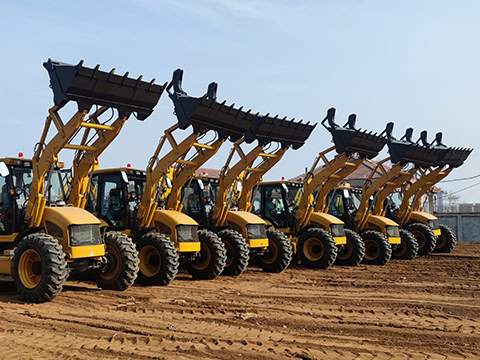
A backhoe wheel model remains a go-to solution for contractors who need versatility, flexibility, mobility, and efficiency in one machine. By combining excavation, loading, and material handling capabilities, it supports a wide range of construction and landscaping tasks without the logistical burden of larger equipment.
When operators apply disciplined techniques—correct trenching methods, smart attachment use, and consistent safety routines—productivity gains of 20–30% are common. For mixed-task environments and tight constrsites, the loader backhoe continues to prove its value as a reliable, adaptable powerhouse.
Get the EVERSTAR Backhoe Attachment Compatibility Guidance
If you want to get more efficiency and control from your backhoe loaders, EVERSTAR Machinery is ready to help. Request a free consultation to review your attachments, operating practices, and maintenance approach. Our team will provide tailored guidance for landscaping and constructions projects, helping your fleet work smarter, safer, and faster on every construction site.
Contractors can explore EVERSTAR’s official website to view the complete range of backhoe loaders, helping them complete projects safely and efficiently.

