

Key Takeaways
- Backhoe loaders combine mobility, control and balanced power for fast backhoe loader flood response across damaged corridors.
- Everstar-style backhoe attachments expand cleanup capabilities, especially during flood channel clearance and targeted emergency excavation.
- Crews deal with debris, erosion, soft soils and contaminated water after heavy flooding, requiring safe, efficient methods.
- Quick-attach setups and pre-staged equipment reduce downtime and improve operational speed.
- Integration with emergency plans ensures better prioritization, documentation, and long-term community resilience.
Cities rarely forget the first day after a major flood. Roads are covered in debris, shoulders slump, culverts overflow, and mobility grinds to a halt. In these situations, few appliances are as relied upon as the backhoe loader.
It arrives quickly, adapts to tight corridors, and delivers enough power and control to cut through blockages that smaller tools or heavier excavators can’t handle as efficiently. Properly configured, it is widely utilized as a frontline tool from the very first hours of recovery.
With Everstar essential backhoe attachments, one machine shifts from scraping silt to lifting branches, from reshaping edges to performing precise emergency excavation that restores or improve water flow.
During the wettest period of the year, backhoes become everyday tools that quietly help a community turn blocked streets into open routes so essential traffic can flow again, without drama or delay.
Typical Flood Damage on Roads and Channels
Floods don’t just dump materials onto roads; they alter the terrain. Lane markings disappear under sediment, and once-stable shoulders soften into unpredictable zones. Crews face a landscape that looks familiar on the map but behaves very differently under the bucket.
The difference between mild inconvenience and primary closure often lies in how fast crews can respond and how well they can control the initial clearance.
Debris, Sediment, and Undermined Pavements
Stormwater pushes tree limbs, fencing, plastic, silt, and other debris into muddy intersections. This mix of materials hides cracks deep enough to swallow a wheel and destabilizes the surface under even light operation.
Shoulders washed out by water undermine the pavement edge, making it unsafe for traffic until crews complete reshaping work.
Along ditches and channels, sediment buildup narrows flow paths, creating additional blockages that fuel repeat flooding. Clearing these zones early usually prevents a second failure during the next storm, a lesson every operator learns sooner or later.
Risks to Crews and Equipment
Soft ground conceals voids created as water escapes beneath the pavement. Operators may gently probe ahead with the backhoe bucket only to see the soil collapse moments later.
Contaminated pools present another risk, especially when mixed with oils or industrial runoff. These conditions demand slow movement, constant surface checks, and sensible safety practices to protect both crew and equipment so work can continue safely as conditions change.
Guidance from agencies such as OSHA also helps municipalities reinforce consistent safety expectations during flood-response operations.
Configuring Backhoe Loaders for Flood Debris Response
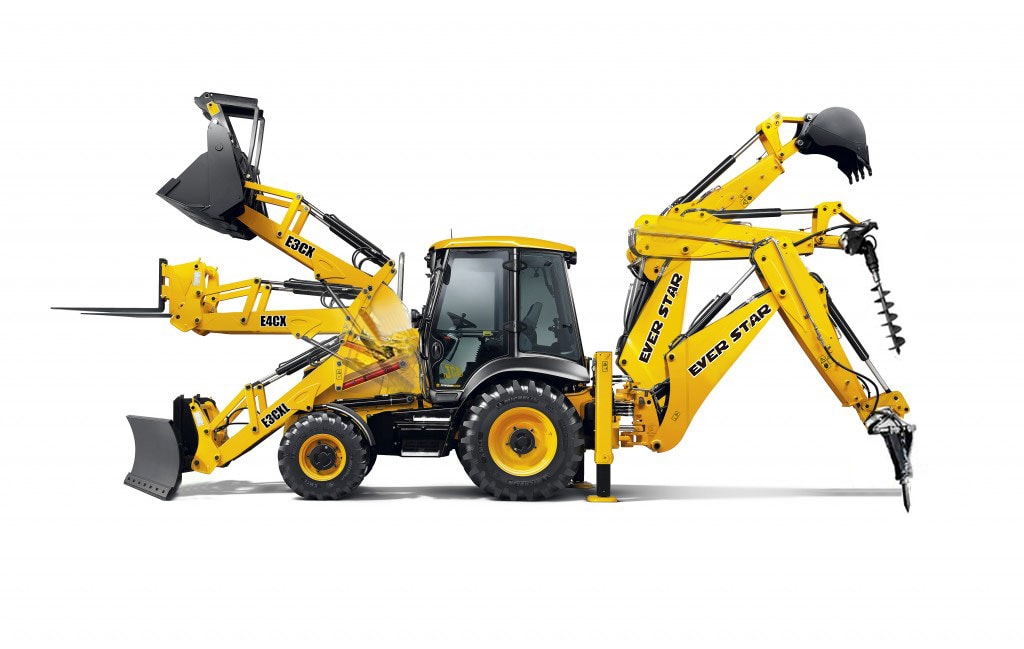
Transforming a standard machine into a dedicated emergency unit revolves around attachments, staging and thoughtful setup.
A well-prepared backhoe arrives on site ready for immediate action before most teams finish unloading tools.
Essential Buckets and Attachments for Waste Handling
Wide cleanup buckets move silt efficiently, while multi-purpose buckets such as Everstar’s four-in-one or six-in-one models reshape channels and shoulders with precision. Grappling buckets handle large materials such as branches and appliances left behind by flooding.
These versatile attachments reduce tool-switching time, improving speed across varied tasks, enable one machine to handle clearance, shaping, and targeted waste handling throughout the entire operation. Buckets and grapples chosen for durability and reliability hold up better over repeated flood seasons.
Transport and Rapid Deployment
Backhoes are easier to deploy than larger machines. Municipalities often pre-stage trailers, spare parts, fuel, and PPE during the rainy season. When the call arrives, crews depart instantly, avoiding delays that worsen blockages or restrict water flow.
The backhoes machine’s mobility, especially on paved roads, makes it ideal for early access before heavier units arrive, clearing corridors in a controlled manner while other resources are still assembling.
Operating Tactics in Flooded or Soft Conditions
Equipment matters, but operator decisions often determine whether a site clears cleanly or becomes a longer job. Flooded environments require delicate balance, consistent checks, and an understanding of how saturated soil behaves under load.
Keeping an eye on how channels react while work progresses helps crews keep key drainage lines clean enough to carry the next surge of runoff.
Working on Saturated Ground by Water Flow
Saturated ground changes by the minute. Operators approach slowly, using the bucket to test firmness before committing a wheel. Track impressions should be monitored; sudden deepening suggests collapse beneath the surface.
Stability improves when the backhoe is positioned uphill, allowing the boom to extend for counterweighting without overloading compromised edges.
Clearing Debris from Channels and Culverts
Channels filled with branches, silt and mixed materials are a primary source of repeat flooding. A ditching bucket skims sediment while a grapple extracts lodged debris without tearing banks apart.
Restoring even partial water flow can prevent downstream closures during the next storm, making this task an early priority for most crews.
Coordinating with Emergency Management Plans

A single machine solves local issues, but coordinated planning determines how fast an entire district reopens. Backhoes fit naturally into these structured-response frameworks compared with excavators.
Prioritizing Critical Routes and Sites
Teams rank corridors based on access needs, structural condition, expected traffic and presence of blockages. Bridges, low crossings and channel pinch points lead the list.
Evaluating each site’s complexity, the amount of debris, soil instability, and how long crews need to complete clearance is the way to optimize resource allocation across the community and across different machine brands in the fleet.
Documentation and Post-event Review
After each storm, supervisors track cleared volumes, problem zones, damaged shoulders, and improvements made. Photos and GIS notes help engineers identify where channels clog most often and where redesign may be required.
Over successive years, this record shapes stronger strategies that reduce closure time and raise long-term performance, giving decision-makers a clearer view of what must change and what should continue as is.
FAQs – Flood Channel Clearance
Why are backhoe loaders valuable in flood response compared with other machines?
Backhoe loaders combine mobility, digging power, lifting strength and compact control, allowing crews to use one unit for shaping, clearing debris, and limited emergency excavation. Their balance of reach and maneuverability makes them ideal for unstable environments during flooding.
Which attachments are most helpful in clearing road debris after floods?
Cleanup buckets, four in one buckets or grapples create the ideal setup. Each device supports fast clearance, shaping and flood channel clearance, while quick-attach systems maintain speed and operational flow.
How can operators stay safe when working near washed-out roads?
Move slowly, test ground stability, avoid placing a wheel on weakened edges, and watch track impressions. Positioning the backhoe for counterweight support reduces collapse risk.
Conclusion: Using Backhoe Loaders to Reopen Roads Quickly
Backhoe loaders thrive in post-flood environments because they offer the right mix of power, adaptability, and controlled operation. Used correctly, they can quickly turn scattered damage into a manageable recovery process.
Outfitted with Everstar backhoe attachments, they remove debris, reshape unstable shoulders, perform targeted emergency excavation, and restore water flow far more efficiently than fragmented toolsets.
They help cities respond quickly, reduce downtime and stabilize critical corridors when the community needs it most, turning difficult scenes into steady, organized recovery.
Consult Everstar About Attachments for Emergency Flood Response
If your fleet needs stronger flood-readiness, Everstar Machinery can guide you through choosing the ideal buckets and accessories tailored to your specific needs.
Contact Everstar by email to configure a backhoe built for decisive, high-performance response, ready to work hard every flood season and every day the forecast calls for heavy rain.

