
Key Takeaways
- Heavy-duty foundation piles provide essential stability where gravity bases cannot withstand weak soils or remote plains piling sites.
- Wind turbine foundation depends heavily on ground conditions, structural challenges, and strict performance tolerances for long-term durability.
- Wind farm construction requires coordinated access roads, crane pads, and precise sequencing across multiple turbine locations.
- Comprehensive testing verifies pile driver capacity, alignment, and long-term integrity under harsh wind and severe weather conditions.
- Everstar Machinery offers specialized small-scale renewable energy bases, access preparation, and auxiliary site structures optimized for challenging terrains.
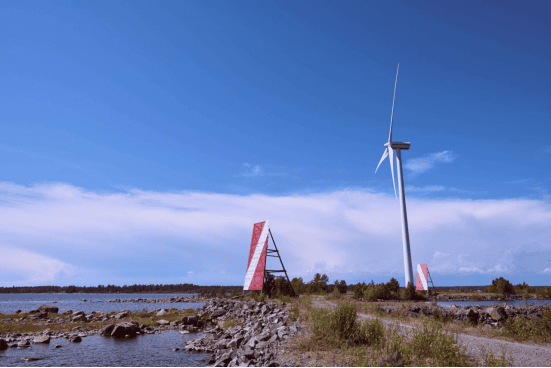
Wind turbines impose significant overturning forces on the ground, and any miscalculation in foundation design directly affects turbine efficiency and lifespan.
Engineers conduct thorough ground condition assessments for wind farm constructions, analyzing environmental exposure, cyclic wind patterns, and structural demands before choosing between gravity foundations and heavy-duty foundation piling, especially in sites requiring deeper ground resistance.
The primary goal is predictable stiffness and long-term stability as wind turbines convert wind into energy and electricity, contributing significantly to the renewable energy sector.
Deep-piling machines install the main tower foundations, while wind farms also incorporate smaller components such as monitoring poles, communication shelters, cable junction boxes, and various types of wind turbine foundations.
These auxiliary features often depend on pile-driving equipment, demonstrating how renewable energy bases rely on a mix of structural scales.
Foundation Options for Wind Turbine Towers
Different wind turbine foundations reflect diverse soil behaviors across onshore and coastal landscapes. Where the land is firm, a gravity base may support the tower effectively.
In less stable areas, engineers use deep foundation pile drivers to transfer loads deeper into the earth, ensuring wind turbines remain securely installed. Here, foundation piling for wind turbines becomes essential for long-term structural reliability.
When Projects Use Piled vs Gravity Bases
Gravity foundations require uniform, compact soil conditions. However, many wind farms are located on slopes, coastal lowlands, or areas where seasonal moisture weakens upper soil layers, posing significant challenges.
In the world, some sites initially considered for gravity slabs revealed compressible deposits just below working depth after deeper testing.
This example of a scenario often leads projects to switch to piled foundations:
- Soil lacks sufficient density to resist cyclic wind pressure;
- Slopes or erosion reduce ground bearing capacity;
- Excavation for large slabs increases environmental impact;
- Storms and severe weather degrade shallow soil layers;
- Remote plains piling areas provide inconsistent support.
For onshore renewable energy projects, pile drivers effectively control settlement. In offshore wind energy environments, deep piling is crucial, often requiring massive rigs beyond the scope of compact machinery.
Additional concerns include soil movement and vibration. Piling techniques range from helical/screw piles for onshore use to large-diameter driven monopiles for offshore applications.
Different Types of Piles for Wind Turbines
Engineers select from various pile types based on structural requirements and soil conditions, showcasing the advantages of each:
- Steel tube piles offer strong bending capacity and durability;
- Drilled shafts accommodate variable ground behavior and provide excellent lateral resistance;
- Precast piles enable rapid installation across multiple turbines, improving project efficiency.
Large rigs manage these structural elements, while mid-scale onshore wind farm structures utilize Everstar pile drivers basics, especially for auxiliary platforms, survey stations, or service plants surrounding the project.
Planning Heavy-Duty Piling on Remote Wind Sites
Remote sites present logistical challenges that often influence schedule efficiency more than foundation methods. Wind farm construction spans extensive areas, with each turbine location requiring careful preparation.
Conversely, transporting parts for offshore wind farm assembly by sea allows for larger dimensions without risks of collisions with other elements.
Access Roads, Crane Pads, and Laydown Areas
Access roads must withstand repeated heavy equipment traffic while minimizing environmental impact. Without proper reinforcement, roads deteriorate quickly under wind, rain, and cargo weight, causing delays in crane or tower section delivery.
Crane pads require specially engineered surfaces with uniform compaction, and laydown zones must support blades, towers, and cables without deformation.
Pile driving methods build deep foundations to support tall towers on land, while compact machinery reinforces early-stage work such as land clearing, shaping small platforms, and preparing auxiliary areas in renewable energy bases. These tasks often involve moderate drilling for installation, grading, and pad preparation.
Coordinating Multiple Piling Rigs and Crews in Wind Farms
Wind sites rarely depend on a single operation. Deep-piling machines progress from one turbine location to the next while other crews prepare ground, build access points, or install smaller structures. Effective sequencing prevents equipment downtime and ensures smooth project phases.
Across large wind farms, managers coordinate transportation routes, surveying, and testing schedules so every crew contributes to a unified, efficient workflow. Even on small renewable projects, this coordination promotes safety and integration of all tasks.
Quality Control and Structural Integrity
Piling in wind turbine foundations involves driving or drilling long steel or concrete piles deep into stable soil strata to transfer weight and horizontal forces. Each turbine tower requires precise installation, as dynamic forces from wind power cycles demand accuracy for long-term durability.
Load Testing and Integrity Testing
Before turbines are installed, engineers verify pile driver capacity through:
- Static load testing to monitor displacement under controlled loads;
- Dynamic testing to assess impact behavior;
- PDA (Pile Driving Analyzer) analysis for real-time performance data;
- Integrity tests to detect internal flaws or defects.
These procedures ensure foundations perform as designed once turbines begin generating electricity, supporting stable operation of the site’s main generator in the future.
Tolerances for Position, Verticality, and Elevation
Manufacturers mandate strict tolerances for vertical alignment and elevation. Even minor deviations affect structural response during wind power cycles. If piles deviate beyond acceptable ranges, engineers adjust elevations or redesign interfaces between pile groups and upper foundations.
Tolerances depend on material quality, pile type (light or heavy-duty), alignment methods, and long-term environmental effects on manufacturing behavior.
Lifecycle Considerations and Repowering

As turbines age, foundations face fatigue, corrosion, and soil movement. Repowering with advanced technology introduces heavier machines and larger rotor diameters, increasing foundation demands.
Degradation, Corrosion, and Monitoring
Corrosion and fatigue are critical concerns for long-term wind turbine foundation performance, especially in marine environments.
Inspection intervals vary by terrain and exposure. Some companies implement long-term monitoring systems to detect early deterioration, aligning reports with frameworks such as the GRI standards. Monitoring includes assessing settlement, corrosion near water tables, and shifts caused by storms.
These efforts maintain reliable clean energy generation while reducing emissions and fossil fuel dependence.
Reuse and Strengthening During Repowering
When upgrading wind farms, engineers assess if existing foundations can carry new turbine gears. Solutions include supplemental piles, reinforced caps, or external jackets. Decisions balance cost, structural behavior, and expected benefits from new technology.
FAQs – Heavy-duty Foundation Piles
How are wind farms constructed?
Wind farms are built through carefully planned steps, including site surveys and soil testing to ensure stability. Access roads facilitate heavy equipment transport, followed by foundation work for each turbine. Wind towers and blades are installed with specialized cranes, and electrical systems connect to the power grid. Each stage is coordinated for efficiency, safety, and consistent clean power output.
How deep are the foundations for a wind turbine?
Foundation depth depends on soil conditions, turbine size, and site requirements. Helical piles are typically installed to depths of 20 to 50 feet for wind turbines. Larger towers require piles extending tens of meters for stability against wind forces and vibrations. Ancillary structures like electrical cabinets or maintenance platforms use shallower foundations designed for lighter loads. These tailored installations ensure structural integrity and safety across the wind farm.
What testing verifies pile capacity for wind turbines?
Engineers conduct multiple tests to confirm pile capacity under operational stresses. These include static and dynamic tests, PDA assessments for real-time data, and integrity checks for structural flaws. Combined, these methods guarantee foundations meet design specifications, ensuring long-term reliability for wind turbine installations in diverse ground conditions.
Conclusion: Delivering Reliable Wind Turbine Foundations with Robust Piling
The stability of modern wind infrastructure begins with well-planned, heavy-duty piling strategies. Whether relying on gravity slabs or structural piles, success depends on understanding ground conditions, precise installation tolerances, and coordinated wind farm construction phases.
While deep-piling machines build main tower foundations, Everstar provides a range of solutions for wind farm construction, from compact machinery to helical anchors for coastal projects and supporting workflows.
Key strategies include preparing access routes, shaping pads, and reinforcing auxiliary zones to keep offshore and onshore renewable projects progressing efficiently after tower installation.
Ask Everstar About Equipment for Renewable Energy Piling Projects
If your site requires compact machinery for access work, auxiliary foundations, or small renewable energy bases, Everstar Machinery can help select equipment tailored to your terrain and operational goals.
Contact our team to support the next phase of your wind or renewable energy project.

