

Key Takeaways:
- Interlocking kelly bars maintain precise performance across a wide depth range, ensuring stability and reliable torque transfer even in demanding foundation drilling projects.
- Regular inspection and care of the outer scope preserves structural integrity and supports smooth operation during deep-hole drilling.
- Unlike a friction Kelly bar, interlocking designs provide superior control, strength, and alignment in challenging soil conditions.
- High-quality telescopic Kelly bars combine durable materials and precision locking systems, delivering consistent results and long-term service life for demanding drilling operations.
Interlocking Kelly bars are a specialized type of telescopic steel drilling tool designed for rotary drilling operations that demand maximum torque and penetration. Their interlocking mechanism ensures precise energy transfer, making them ideal for projects that involve hard rock formations or challenging mixed soils.
Compared to friction Kelly bars, which rely mainly on surface pressure for torque transmission, interlocking Kelly bars provide a mechanical lock system that delivers enhanced stability and higher drilling depth. This design advantage makes them suitable for deep foundations, bridge supports, and other critical infrastructure works.
This article explain the design features, strengths, and deep drilling applications of interlocking Kelly bars, while also providing guidance on selecting the right model. Everstar delivers high-quality solutions tailored to demanding foundation drilling projects worldwide.
Interlocking Kelly Bars Explained

This specific Kelly bar variation is engineered for hydraulic rotary drilling rigs, delivering stability and efficiency in foundation projects. Their interlocking mechanism secures each section, ensuring consistent performance and reliability throughout the drilling process, even in challenging ground conditions.
What Is an Interlocking Kelly Bar?
An interlocking Kelly bar type is a telescopic drilling tool with drive ribs and mechanical locks connecting each section. Unlike friction Kelly bars that rely on surface pressure, the interlocking design transfers higher force and provides better control at greater drilling depths.
Key Components and Design Features
These Kelly bars are constructed from high-strength steel tubes, commonly used as 35CrMo, 30CrMo, ZT600, and Q550 steel pipes. Precision-machined drive ribs and locking slots maintain secure section engagement, while shock absorbers and reinforced joints, and a damping noise system reduce stress, enhancing stability, durability, and service life during deep-hole operations.
Strength and Stability in Drilling Operations

For telescopic Kelly bars, strength and stability are critical to achieving precise, efficient drilling. The interlocking ribs maintain section engagement, reducing deformation and ensuring borehole accuracy even in deep or challenging ground conditions.
Superior Torque Transmission
The interlocking ribs provide rigid torque transfer, delivering a clear performance advantage over friction-based systems. This ensures the drilling tool maintains consistent rotational force, improving penetration rates and operational efficiency during demanding foundation projects.
Structural Stability at Depth
Interlocking Kelly bars reduce deflection and bending in deep boreholes, maintaining alignment throughout the drilling process. Consistent section stability improves borehole accuracy and supports safe, reliable operation, even under high torque and heavy load conditions.
Deep Drilling Applications for Interlocking Kelly Bars
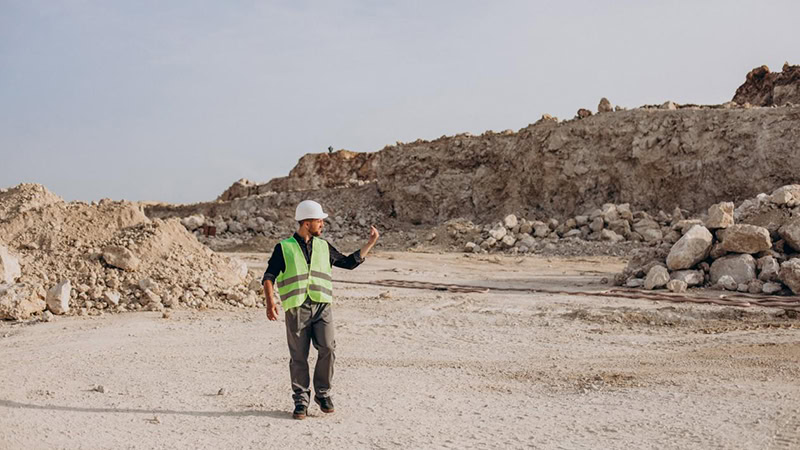
These specialized Kelly bars excel at handling demanding ground conditions and achieving precision, stability, and reliable torque transfer in projects that require drilling at great depths. They are suited for hard rock, abrasive soils, or mixed strata, according to the USGS Research Drilling Program.
Foundation Piling in High-Rise Construction
These bars are widely used in foundation piling for high-rise buildings, handling depths exceeding 80 meters when paired with a suitable piling rig, their high torque capacity ensures consistent penetration and reliable borehole alignment, even in challenging urban construction projects.
Drilling in Hard or Abrasive Soils
Interlocking Kelly bars provide enhanced wear resistance in gravel, boulder, and rock conditions. They perform well in mixed strata where torque demands fluctuate, maintaining stability and minimizing downtime during the drilling operation.
Specialized Drill Applications
They are ideal for diaphragm wall construction, marine piling, and bridge foundations. The mechanical lock system delivers precision and stability, ensuring reliable performance when borehole accuracy is critical to project success.
Comparing Interlocking vs. Friction Kelly Bars

If we compare a friction Kelly bar with an interlocking design, the differences in performance under varying soil conditions are clear. While friction bars are simpler, proper maintenance is key to ensure consistent operation and prevent premature wear.
Performance Differences
The interlocking Kelly bar is built for high rotational force and deep drilling, while friction bars are better suited for speed in softer soils. Strength and stability trade-offs make it ideal for challenging conditions, as it transfers torque through mechanical locks rather than frictional contact.
Cost, Maintenance, and Longevity
Interlocking bars typically last longer under heavy workloads and demanding drilling conditions. Maintenance requirements, including inspections and lubrication, are essential to preserve performance. Friction bars may require more frequent checks, but have lower upfront costs, making selection project-dependent.
Selecting the Right Interlocking Kelly Bar
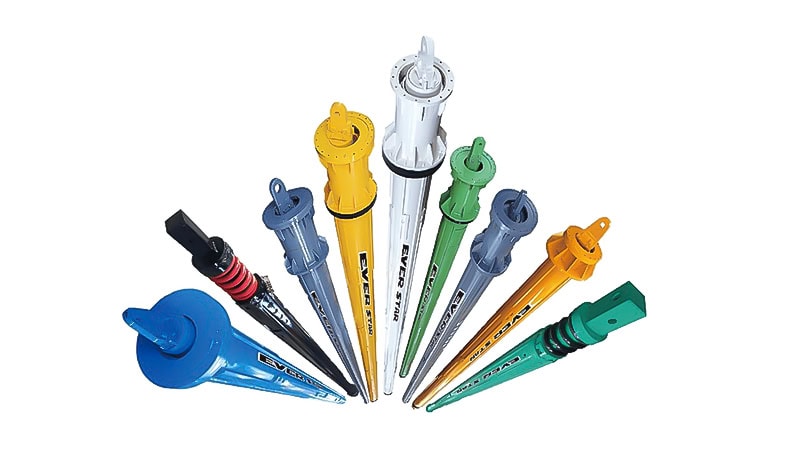
Standard Kelly bars vary in design, so it is crucial to match the bar to your project requirements. Choosing a lock Kelly bar compatible with your drilling rig ensures stability, torque efficiency, and reliable performance throughout the operation.
Matching Bar Design to Rig Specifications
Selecting the correct bar involves considering torque ratings, section length, and connection type. Compatibility with majorrotary drilling rigs ensures efficient drilling boreholes and reduces stress on both the machine and the Kelly bar, supporting long-term durability and safety.
Customization for Project-Specific Needs
Customization options include section count, locking system type, and protective coatings. Origin and quality certificates guarantee reliability, and Everstar’s capability to produce tailored solutions ensures the Kelly bar meets specific project demands, soil conditions, and operational requirements.
FAQs – Kelly Bar
What makes an interlocking Kelly bar better for deep drilling?
The interlocking Kelly bar efficiently transfers torque via mechanical locks, reducing stress on the rotary drive tool. Properly managed crowd force ensures section alignment and stability, making it ideal for deep-hole foundation projects while maintaining consistent penetration and safe operation.
How deep can an interlocking Kelly bar drill?
Interlocking Kelly bars allow drilling to significant depth ranges, with secure engagement of inner and outer sections. When paired with the correct drill rig, they maintain alignment and torque efficiency, enabling reliable performance in challenging ground conditions and extended deep-hole operations.
What types of drilling rigs are compatible with interlocking Kelly bars?
Interlocking Kelly bars are compatible with most modern hydraulic rotary drilling rigs, as well as crawler-based and rotary-type machines. Proper rig-bar matching ensures torque transfer, stability, and operational safety, supporting efficient borehole completion in foundation and infrastructure projects.
How does an interlocking Kelly bar improve drilling accuracy?
Mechanical locks in interlocking Kelly bars maintain section engagement, reducing bending or deflection. This stability improves borehole alignment, ensures precise penetration, and allows the rotary drive tool to maintain consistent torque, which is crucial for accurate deep drilling results.
What maintenance is required for interlocking Kelly bars?
Routine checks of lock devices and lubrication of the rotary drive tool are essential. Inspecting for wear, alignment, and section integrity ensures optimal torque transfer, prolongs service life, and preserves stability and performance during demanding foundation drilling operations.
Conclusion – Reliable Drilling Rigs with the Right Kelly Bar
To recap, for high-torque, deep-hole drilling applications, the interlocking Kelly bar delivers unmatched strength, stability, and precision.
Proper management of crowd force, adaptation to soil conditions, and careful use of drilling tools ensure consistent borehole accuracy, optimal performance, and extended service life.
Choose the Perfect Kelly Bar for Your Project
Looking for a high-strength Kelly bar that can handle your toughest drilling projects? Contact Everstar Machinery for custom-built interlocking Kelly bars engineered for superior stability, torque capacity, and deep-hole performance. Explore our full catalog of high-performance drilling tools today.

