
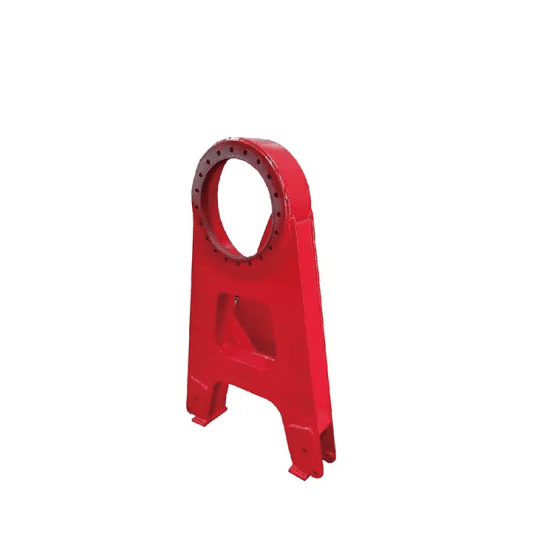
Key Takeaways
- Proper Kelly guides optimize the drilling rig, ensuring stable and aligned operation for deep foundation projects.
- Efficient drilling operations rely on controlled torque transfer, reduced vibration, and smooth bar movement through complex soil layers.
- Incorporating technological advancements in guide materials and design enhances equipment longevity and precise performance under difficult conditions.
- Guides play a crucial role in construction projects by supporting consistent hole quality, faster penetration, and reliable reinforcement placement.
Kelly bars support tasks such as piling, large-diameter hole creation, and deep foundations for major structures. They work as essential components in a rotary drilling rig by providing stability, alignment, and control during drilling operations.
Kelly guides sit inside the kelly bushing assembly and keep the bar centered while allowing smooth vertical travel through telescopic sections. They create controlled movement that strengthens the drilling process and protects components from excessive force in mixed layers, including clay, gravel, and rock.
Accurate rotary drilling is critical for foundation engineering because every deviation increases project costs and complicates reinforcement work. Everstar focuses on Kelly bars and compatible drilling tools rather than supplying full rigs, ensuring optimal performance across diverse drilling applications.
This article explains how Kelly guides improve drilling efficiency, reduce wear, and support consistent performance during construction projects requiring deep drilling through complex soil layers.
How Kelly Guides Support Rotary Drilling
Kelly bars provide stability, enhancing accuracy and speed as crews advance through varying soil conditions. Their ability to adapt to different drilling conditions makes them reliable for projects requiring control at different drilling depths.
The functional role of the Kelly guide between the rotary drive and the Kelly bar is crucial because it centralizes movement, minimizes vibration, and manages frictional contact. These elements reduce wear and support the drill string during drilling operations.
Controlling Alignment and Reducing Vibration
Kelly guides stabilize the Kelly bar by restricting lateral movement and keeping its axis centered during rotation. This control limits oscillation that often develops when soil resistance changes suddenly.
Reduced vibration protects the rotary drive, keys, and bearings from impact loads. This protection also keeps the hole straighter, especially when advancing through layered soils where density shifts can distort alignment.
Interlocking Kelly bars benefit even more from stable guidance because their locking profiles depend on clean, aligned engagement through every rotation. A centered guide reduces wear on the interlocks, limits chattering in mixed layers, and helps maintain smooth torque transfer during deep drilling.
Torque Transfer and Wear Reduction of Drilling Tools
A properly fitted guide keeps the Kelly bar aligned with the drive socket, and torque is evenly distributed across its locking surfaces. This uniform contact prevents localized stresses that accelerate wear on keys and drive faces.
On site, this means the rotary mechanism can push through dense layers without stalling. Crews notice fewer torque spikes during transitions, which lowers the chance of shearing a key in demanding projects, including bridge foundations.
Balanced torque flow helps the drill bit rotate smoothly during deep drilling. This consistency reduces binding in abrasive formations and extends working life in hard rock environments where shock loads are standard.
Configuring Kelly Guides and Drilling Rig
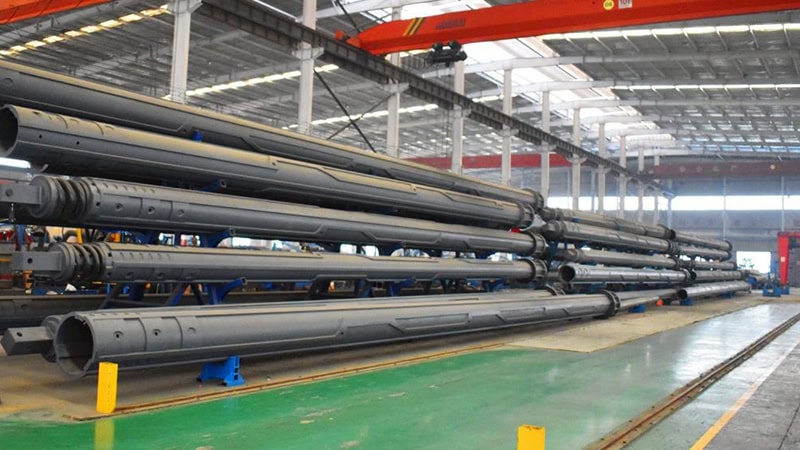
Selecting the right guide requires understanding the Kelly bar geometry, expected torque loads, and the soil profiles the project will encounter. Each guide must maintain controlled movement without restricting the bar under changing downforce.
Rollers and bushings must match the Kelly bar’s travel path, then they can support movement without creating unnecessary friction. This compatibility keeps components cooler under pressure and reduces long-term wear.
Matching Guides to Kelly Bar and Rig
Dimensions must match both the inner and outer sections of the Kelly bar, ensuring controlled clearance throughout the entire stroke. Small deviations in size can create binding or excessive play during rotation.
Compatibility with rigs from Bauer, Sany, or XCM ensures the drive sockets and guide housings transmit torque efficiently. Everstar’s tolerances are designed to keep this interface stable even under fluctuating loads.
Friction Kelly Bars for Reliable Torque
Friction Kelly bars rely on controlled contact with guides to transmit torque evenly, reducing wear and maintaining alignment. This ensures smoother rotation, fewer corrections, and extended equipment life during extended foundation drilling in mixed or challenging soil conditions.
These Kelly bars are especially useful in projects involving transitions between soft, dense, or rocky layers, helping crews maintain verticality and consistent transfer torque over great depths.
Drilling Conditions and Guide Performance
Different soil compositions and geological layers affect how torque is transmitted and wear develops on the guides. Selecting the right guide ensures the rotary drilling rig performs efficiently even under tough conditions, while proper liners and installation adjustments maintain consistent drilling performance.
Materials, Liners, and Replaceable Parts
Hard-wearing alloys and engineered liners reduce friction during repeated contact with the Kelly bar. These materials maintain guide geometry in abrasive soils and prevent deformation that often appears when drilling shifts between dense layers.
Replaceable liner systems let crews restore tight tolerances without removing the full housing. This modular approach reduces downtime on multi-shift projects and keeps drilling operations on schedule.
Installation, Adjustment, and Inspection
Correct installation begins with positioning the guide square to the rotary drive, the bar can enter without offset. Proper alignment ensures smooth travel when downforce increases, which is essential for safe and efficient construction operations.
Crews must verify concentricity by manually raising and lowering the bar before starting drilling operations. This test identifies tight spots or uneven wear that may cause binding at depth.
Aligning the Kelly Bar Guide to Geological conditions
Field alignment relies on adjusting shims or guide mounts until the bar moves freely at all stroke lengths. Free movement under moderate pressure shows the guide is centered correctly. These adjustments reduce structural stress on the drive and bar during high-torque drilling.
Routine Checks in Drilling Operations and Troubleshooting
Routine inspections should monitor for signs like grinding noise, uneven travel, or rotational vibration. These symptoms suggest misalignment or worn liners.
In the field, they often appear when a rig shifts slightly on uneven ground, or when soil buildup squeezes the guide, creating resistance that crews can feel through the controls.
Corrective actions include adjusting clearances, replacing worn parts, or cleaning debris trapped between the guide and the bar. Following OSHA guidelines for equipment inspection and operator safety ensures that all corrective actions are performed without risk.
Regular maintenance ensures that guides, liners, and Kelly bars stay within specified tolerances. Cleaning, lubrication, and timely replacement of worn parts prevent binding, minimize vibration, and protect the drill rig. Proper maintenance also extends equipment life and keeps drilling projects on schedule.
Productivity and Quality Gains on Site

Effective guide systems minimize delays caused by alignment issues or unexpected binding. This stability lets crews maintain momentum even when soil transitions from soft layers to dense strata.
Consistent movement also protects drilling rig components and improves efficiency across varied conditions. Better control means fewer corrective actions and stronger progress on large foundation projects.
Faster Penetration with Fewer Corrections
Stable guidance prevents the Kelly bar from drifting off-axis, which reduces mid-bore corrections that slow production. Everstar’s tight-tolerance components support this alignment, allowing the drilling bit to cut through each layer with steadier energy transfer.
Fewer deviations improve penetration rates, especially in sites where alternating soil strengths often cause lateral movement. This consistency helps crews maintain planned production targets.
Improved Hole Quality and Fewer Defects
Straight, properly sized holes support reliable reinforcement placement and improve concrete flow.
Main benefits include:
- Rebar cages fit without deformation;
- Concrete fills evenly with fewer voids;
- Final foundation tolerances improve for structural reliability.
FAQs – Kelly Guides Rotary Drilling
How do Kelly guides differ from the Kelly bar itself?
Kelly guides stabilize and center the Kelly bar during rotation. They control friction and reduce vibration, supporting precise performance while protecting the drilling rig in challenging environments.
Unlike the bar, which transmits torque and rotates the drill bit, guides manage contact points and maintain alignment. Properly fitted guides extend equipment longevity and enhance rotary drilling performance during demanding operations.
What signs indicate that a Kelly guide needs replacement?
Indicators include grinding noises, uneven travel, or rotational vibration. These symptoms often appear when liners wear or the guide misaligns, slowing rotary drilling operations and increasing premature wear on the drill pipe.
Timely replacement prevents damage to the rig and supports performance. Regular maintenance protects components, prolongs Kelly Bar lifespan, and helps crews manage hard rock formations or unpredictable geological conditions safely.
Can one Kelly guide assembly work with multiple bar sizes?
Some modular guides accommodate minor variations in Kelly bar type, but most require specific tolerances to avoid binding or excessive wear. Using the correct assembly ensures torque is transmitted evenly.
Proper guide selection maintains performance across different projects. This consistency protects the drilling rig and supports efficient operation in tough conditions and specific drilling applications such as deep piling, and hard rock excavation.
Conclusion: Improving Rotary Drilling Results with Proper Kelly Guidance
Well-selected and maintained Kelly guides improve rotary drilling operations by stabilizing bars, reducing vibration, and protecting components from early damage. This protection provides a major advantage in construction jobs, ensuring consistent hole quality, smoother torque transfer, and extended service life.
Everstar’s expertise ensures guide and bar combinations deliver reliable performance. Their components enhance efficiency, reduce downtime, and maintain precise performance across different soil types and diverse drilling projects.
Contact Everstar for Kelly Bar and Guide Compatibility Advice
Contact Everstar experts for help matching Kelly bars and guide solutions to your rotary rigs, ensuring accurate, cost-effective drilling on foundation jobs. Request the complete catalogue of equipment on the Everstar website and receive guidance tailored to your project’s drilling tools and conditions.

