
Key Takeaways
- Screw pile drivers excel in granular soil, offering predictable uplift and lateral stability, while impact rammers perform better in cohesive clays and rocky layers.
- Accessories like Auger Drills and DTH Drill Hammers on Everstar machines allow crews to adapt to variable soil conditions efficiently, supporting a versatile lineup of installation methods.
- Structural performance, including pullout resistance and moment-rotation response, is highly dependent on matching the installation process to measured soil profiles.
- Using method-specific selection and cost modeling maximizes ROI, reduces installation risks, and ensures long-term alignment of solar panels, providing durable helical piling solutions.
Utility-scale ground mount solar systems face diverse subsurface conditions that dictate the financial viability of mounting infrastructure. High-density clay layers and loose sands require different mechanical approaches to ensure long-term structural reliability, making this an ideal solution for careful planning.
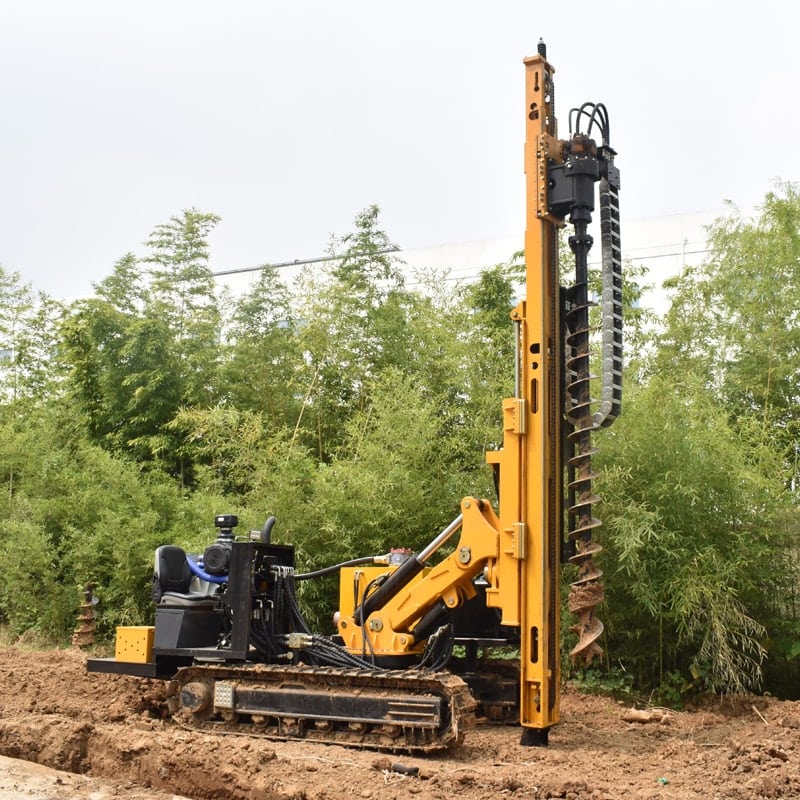
EVERSTAR solar pile driver is a multifunctional drilling rig designed to navigate these geotechnical challenges efficiently. Equipped with high-performance Yanmar or Cummins engines, it drives 3–6 m pile driver shafts consistently using screw or impact methods across various job site conditions, suitable for different construction environments.
This article compares screw pile drivers and impact rammers for solar panels foundation installation. We focus on workflows, site limitations, structural behavior, and 10-year ownership costs to guide developer decisions with equipment features and pile size considerations.
Installation Speed and Daily Production Rates
Actual piles-per-day metrics show that impact rammers achieve higher peak speeds of 100–200 piles/day in uniform ground. Everstar’s photovoltaic pile driver maintains a more consistent output of 150-400 piles/day, allowing crews to add efficiency to each installation.
Avoiding frequent refusals in variable strata is critical. This helps teams order workflow tasks effectively, ensuring a predictable daily production average for large solar panel arrays projects.
Cycle Times: Screw Advance vs Impact Penetration
Continuous helical advancement completes a pile in 30–60 seconds, using steady hydraulic torque for vertical alignment. Everstar equipment integrates hydraulic pile hammer support to maintain constant pressure and rotation, reducing manual corrections and maintaining precise foundation screw piling.
Impact penetration involves multi-blow sequences with positioning, driving, and frequent plumb checks. The intermittent cycle extends installation time, especially in cohesive or uneven location, where manual adjustments are required to meet design number tolerances.
Soil Compatibility Matrix
Success depends on matching equipment energy to soil strength. Screw piles and impact rammers perform differently across soil types. Proper selection prevents premature wear, avoids refusals, and reduces long-term operational risk for solar panel structure.
Cohesive Soils (CL, CH): Suction and Torque Limits
Screw piles face adhesion buildup on helical flights, increasing torque and risking refusal or shaft damage. Impact rammers overcome clay suction through high-energy displacement and vibration, enabling efficient penetration of stiff clay profiles where rotary torque alone may stall.
Granular Soils (SW, SP, SM): Drainage Advantages
In free-draining sands, screw piles provide stable anchoring where vibration from impact rammers may cause soil collapse. Everstar solar pile drivers can be equipped with an auger drill to pre-prepare the site, ensuring piles maintain critical embedment depth and optimal uplift capacity.
Transitional Soils and Obstructions
Screw piles are sensitive to embedded cobbles or boulders, risking bolt shearing if a stone is hit. Impact rammers offer a forgiving solution, and DTH Drill Hammer accessories allow crews to overcome obstructions while maintaining project schedules.
Structural Performance Metrics
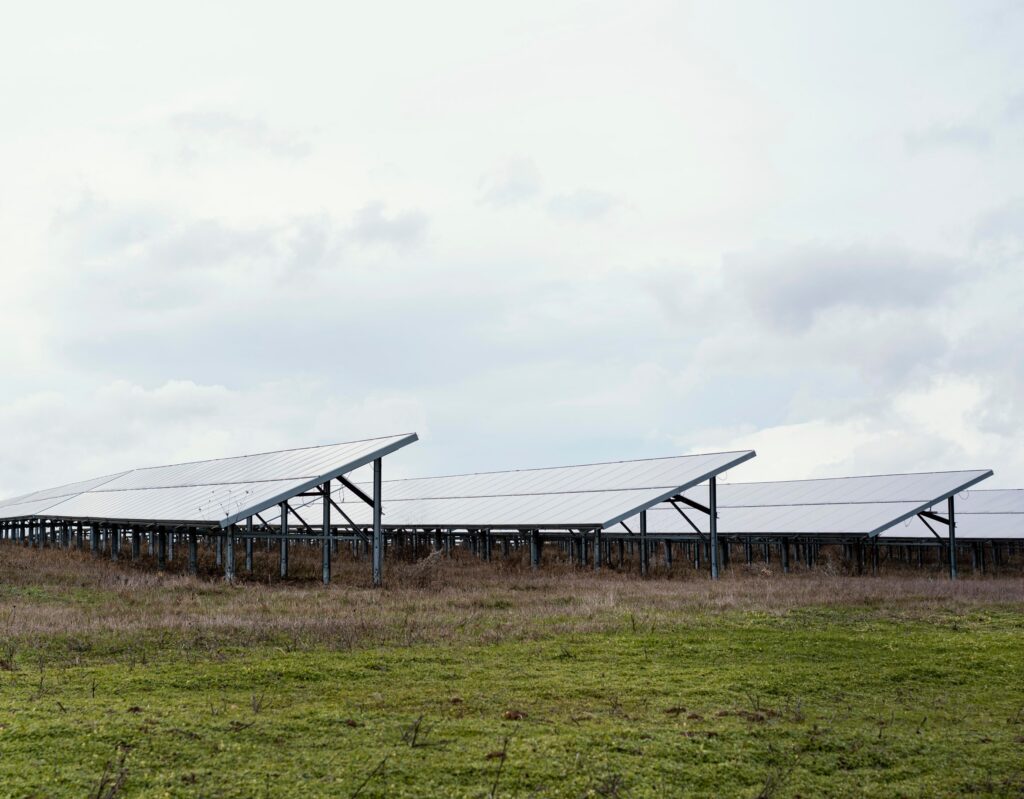
Long-term load capacity and durability determine system success over a 25-year lifecycle. Installation method affects structural integrity, resistance to lateral forces, and alignment of solar panels under wind and soil settlement conditions.
Pullout Resistance: Uplift Capacity by Soil Class
Helical plate area dictates screw pile uplift, forming a cone of ground that resists vertical loads. Impact-driven piles rely on shaft friction, which varies with moisture content. Tests show screw piles provide predictable resistance in loose sands at shallower depths, allowing integration with reinforced concrete bases where required.
Lateral Capacity and Racking Compatibility
Screw piles offer broad support at helix depth, reducing long-term settlement under lateral wind loads. Everstar systems accommodate connection detailing differences, while impact-driven piles may require heavier-walled profiles to survive ramming forces, providing reliable performance for solar industry applications.
Decision Framework for Solar Developers
Foundation selection relies on a weighted criteria matrix balancing geotechnical risk and operational efficiency. Developers can use site-specific data to find cost-effective methods while mitigating terrain variability and long-term performance risks, considering the full range of soil conditions.
Geotechnical Report Interpretation Checklist
Ten key data points from boring logs predict method suitability: soil density, clay plasticity, compressive strength, rock volume, water table, unit weight, friction angle, chemical resistivity, mineral abrasivity, and embedded obstructions. These guide pass/fail thresholds for pile driver or impact systems.
Cost-Benefit Calculation Template
Unit cost modeling considers labor, equipment, and daily production rates, factoring a 15 % speed reduction in challenging soil. A 5–10 % contingency covers unexpected refusals and future tracker realignment, demonstrating that high-stability foundation solutions reduce long-term O&M liabilities.
Solar Pile Driver Maintenance and Longevity
EVERSTAR ’s pile drivers are engineered for efficient installation, operating across diverse soil conditions. Regular maintenance, including hydraulic system checks, lubrication of rotating components, and inspection of helical plates or impact hammers, maintains consistent operation and extends machine lifespan, making them reliable for various projects.
Following recommended servicing schedules helps contractors maintain production rates while minimizing downtime. This aligns with OSHA standards for reliability, providing powerful confidence that installations remain precise, safe, and durable over the long term, meeting the need for trusted equipment from certified manufacturers.
FAQs –
Which Installs Faster in Clay Soils: Screw or Impact Drivers?
Impact drivers generally install faster in cohesive clay soil due to their ability to overcome suction and adhesion through high-energy displacement and vibration. Screw piles may stall or reach torque limits, slowing the installation process and potentially requiring extraction or pre-drilling adjustments.
Can Screw Piles Handle Solar Tracker Lateral Loads?
Yes. Screw piles provide a broad base at the helix depth, distributing lateral wind loads effectively. When installed correctly, they maintain tracker alignment and minimize long-term settlement, ensuring consistent racking secure and reducing structural stress compared to friction-dependent pile drivers.
How Much Weight Can Screw Piles Support?
Screw pile uplift capacity depends on helical plate area and soil type. In loose granular soil, they can support substantial vertical loads with predictable safety factors. Proper embedment provides stability, while load-bearing limits increase with additional helical plates or optimized installation depth, integrating ground anchors where applicable.
Conclusion: Right Tool for Each Soil Profile
Selecting the correct foundation method depends on the soil type rather than defaulting to familiar equipment. Screw pile drivers excel in granular sands, providing predictable uplift and lateral stability, while impact rammers handle cohesive clays and rocky layers more efficiently, overcoming torque and suction limits.
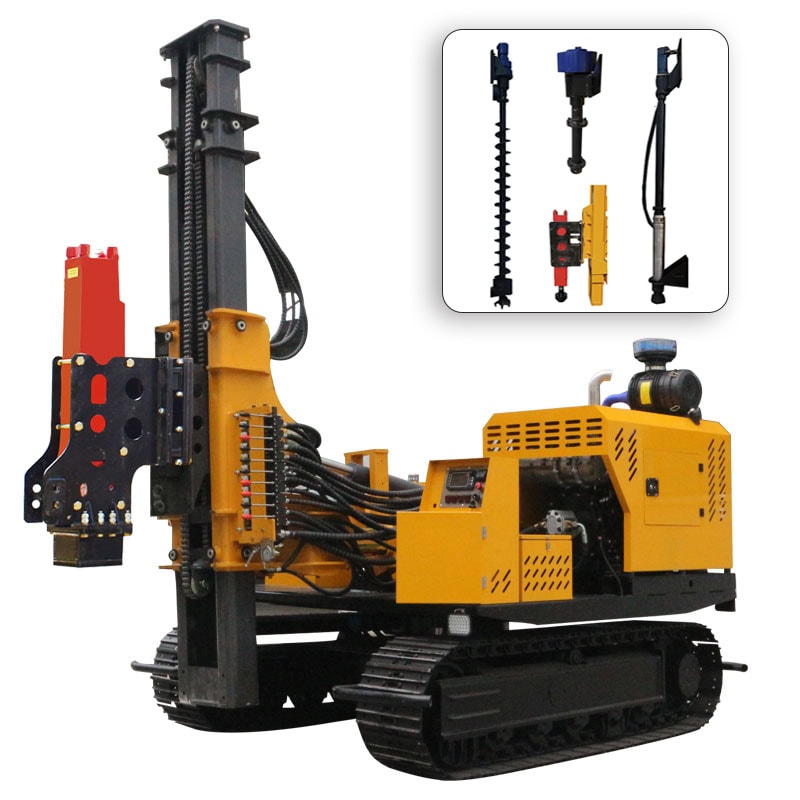
EVERSTAR solar pile drivers enable contractors to deploy the optimal method with precision. Accessories such as Auger Drills for pre-drilling and DTH Drill Hammers for obstructions allow teams to adapt to variable soil conditions, maintaining production rates and minimizing installation process risks across complex sites.
By matching methods to measured ground conditions, developers can reduce operational costs, avoid equipment refusals, and extend the life of solar panel foundation. Leveraging EVERSTAR ’s versatile lineup provides high-stability installations, maximizing ROI and long-term results for each project, built to meet diverse demands.
Run Your Solar Site Through Everstar’s Partnership
Contact EVERSTAR to submit your solar site for a free method recommendation analysis from EVERSTAR Machinery. The evaluation includes preliminary cost modeling, equipment configuration suggestions, and expert guidance to help you select the most efficient solar pile driver or pile driver method for your site conditions.

