
Key Takeaways
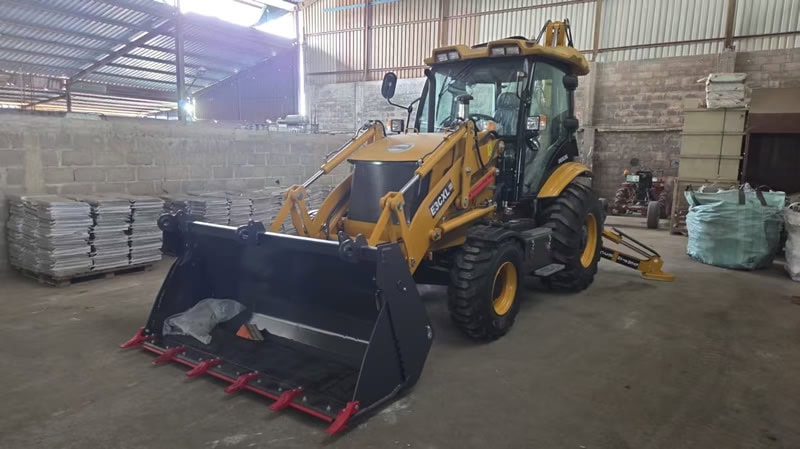
- A backhoe loader supports many applications across maintenance, lifting, landscaping, and moving materials.
- An excavator is better suited for larger digging demands that require additional reach and capacity.
- Compact sizes and direct road mobility often make a backhoe loader more practical for agricultural properties.
- Equipment selection should reflect terrain conditions, usage frequency, and operating costs, rather than simply power considerations.
- Choosing the right models helps avoid unnecessary weight, oversized capacity, and underused equipment.
The Agricultural Tasks That Drive Equipment Decisions
Agricultural properties involve a wide range of ground-related work. Common responsibilities include backhoe trenching for irrigation lines, landscaping preparation, drainage cleaning, moving dirt and debris, and tractor or loader work around barns and storage areas.
A backhoe loader is often selected because it can switch between several applications using different kinds of attachments.
Backhoe loaders are categorized by key specifications such as horsepower, operating weight, breakout force, lift capacity, and dig depth, all of which affect their performance on the project.
An excavator may be preferred when a project involves continuous digging over a larger area or when additional reach becomes important.
Seasonal Maintenance: Recurring Digging Needs Across the Agricultural Calendar
Spring preparation typically includes trenching and drainage clearing; post-harvest periods involve landscaping and material moving.
A backhoe fits these conditions because a backhoe loader supports many applications without requiring dedicated equipment for each task. The loader section handles lifting and moving in a single process, while the rear section covers smaller excavation work.
An excavator may deliver stronger digging performance for a large project, but that added capacity is not always necessary for mixed tasks. When the project list changes daily, a versatile machine handles the full range of demands more reliably.
Emergency Repairs: Fast-Response Digging in Unplanned Situations
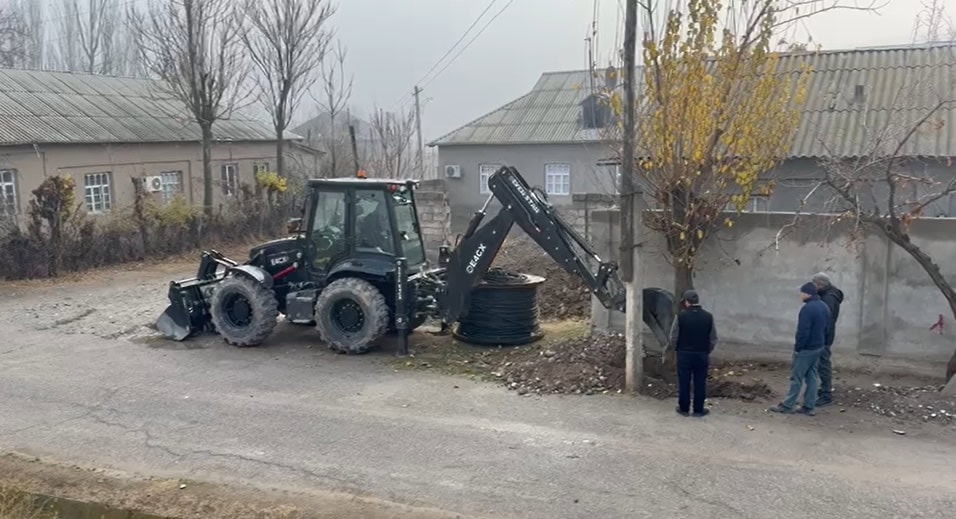
Unexpected failures, such as damaged pipes, blocked drainage, or collapsed access paths, call for immediate action. In this case, having a backhoe loader already on-site is important.
In many cases, delays from transporting equipment add significant cost. Response time is shorter in every case when the backhoe is nearby.
Larger excavator models require transport equipment before work can begin, which adds cost to urgent jobs.
The Occupational Safety and Health Administration (OSHA) emphasizes equipment readiness and trained workers to reduce risk during urgent repairs.
Backhoe vs. Excavator: Comparing Practical Fit
Backhoes have limited rotation (about 200°) while excavators rotate a full 360°. A backhoe is better suited to tasks where maneuverability and tool-switching matter more than swing range.
A backhoe loader combines a loader at the front with a backhoe digging arm at the rear, creating a versatile machine suited to many applications.
An excavator, including smaller models, focuses more on dedicated digging performance with additional reach and swing movement. Excavators are typically larger and purpose-built for massive digging or demolition projects. For some tasks, a skid steer may be considered as an alternative.
Tight Access: How Working Space Shapes Machine Selection
Working areas near buildings often include narrow paths and low-clearance structures. In these conditions, compact sizes become a major advantage.
A backhoe loader can travel directly on a road without additional hauling equipment. Its balanced weight and flexible steering make positioning easier around barns and storage facilities. Operators familiar with tight yards comment that this road mobility reduces setup time compared to big excavator models.
An excavator (particularly big models) may struggle in small operating areas. Even a mini excavator can face limitations when swing space is restricted or terrain is uneven.
Reach and Digging Style: When One Machine Fits Better
An excavator provides additional reach, dig depth, and raw power, making it more suitable for larger excavation projects or extended drainage channels.
A backhoe loader, however, combines lifting, moving, and digging performance in a single platform. This flexibility supports many applications where the load type and task change frequently throughout the day.
The bucket on a backhoe loader can be replaced with different attachments, allowing a user to connect grading tools or material-handling equipment. Many contractors comment that moderate dig depth and balanced capacity are more valuable than oversized equipment for routine maintenance on small sites.
Big excavator models create stronger output for dedicated earthmoving, but their weight and size become a drawback when the job involves moving between tight spaces. For maintenance, trenching, and landscaping, a backhoe loader handles the load without the overhead.
Matching Machine to Job Frequency and Workload
Equipment ownership decisions should reflect how often digging occurs and how broadly the equipment will be used.
A backhoe loader supports landscaping, lifting, and trenching through various attachments, making a backhoe loader suitable for properties with a range of tasks.
An excavator is more practical when repeated digging becomes the primary focus.
Occasional vs. Regular Use: What Job Frequency Means for Equipment Ownership
If digging tasks occur only occasionally, renting may be more cost-effective. When maintenance becomes regular, ownership improves efficiency and reduces per-job costs.
Many contractors comment that choosing equipment based on operating frequency is more important than selecting the biggest models available.
Cost and Versatility Balance: Avoiding Overcapacity
Oversized equipment generates unnecessary operating expenses. Big excavator models often come with greater weight, higher transport costs, and more load capacity than small properties actually need.
EVERSTAR offers several models that match equipment to terrain and operational demands. For many applications, lighter equipment handles earth movement and landscaping while maintaining reliable road mobility.
A loader paired with rear digging attachments gives users the kind of flexibility that a dedicated excavator cannot match on mixed-use sites. In that case, the backhoe loader stays useful across the full range of seasonal work rather than sitting idle between large dig cycles.
FAQs — Backhoe
When does an operation need an excavator rather than a backhoe?
A backhoe loader handles most mixed-use work on smaller properties. In cases where a project involves continuous digging, increased reach, or heavier excavation conditions, an excavator may take the place of a backhoe.
Is a backhoe loader a practical choice for trenching and drainage cleaning work?
Yes. A backhoe loader is effective for trenching, drainage cleaning, and lifting. Its versatile backhoe design supports many applications while maintaining compact sizes and direct road access. Operators handling varied terrain find that a backhoe loader covers the typical digging tasks without additional machines.
Can a mini excavator work as an alternative on a smaller property?
A mini excavator handles lighter digging in small confined spaces but does not include a loader. On properties where operators need to move materials and drive between locations on a road, a backhoe loader is the more practical option.
Contact EVERSTAR to Plan the Right Equipment Mix
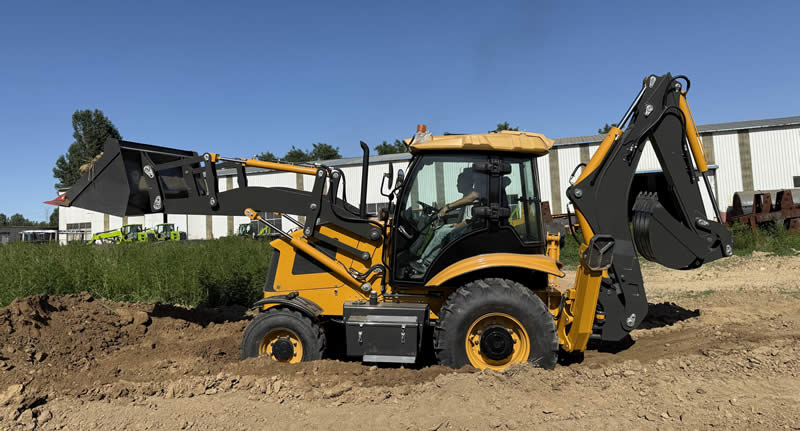
Whether running a tractor and backhoe fleet or adding equipment for varied farm work, the right decision matters for budget and productivity. Our team can find the right options, sizes, attachments, and head configurations.
Contact EVERSTAR today and check how the right backhoe loader or excavator can transform your long-term land management strategy.

