
Deeply compare the core differences between interlocking Kelly bars and friction Kelly bars, with a detailed analysis of Φ299–630 mm Kelly bar technical specifications, geological adaptability, and daily maintenance requirements, helping customers quickly select the most suitable rotary drilling tools!
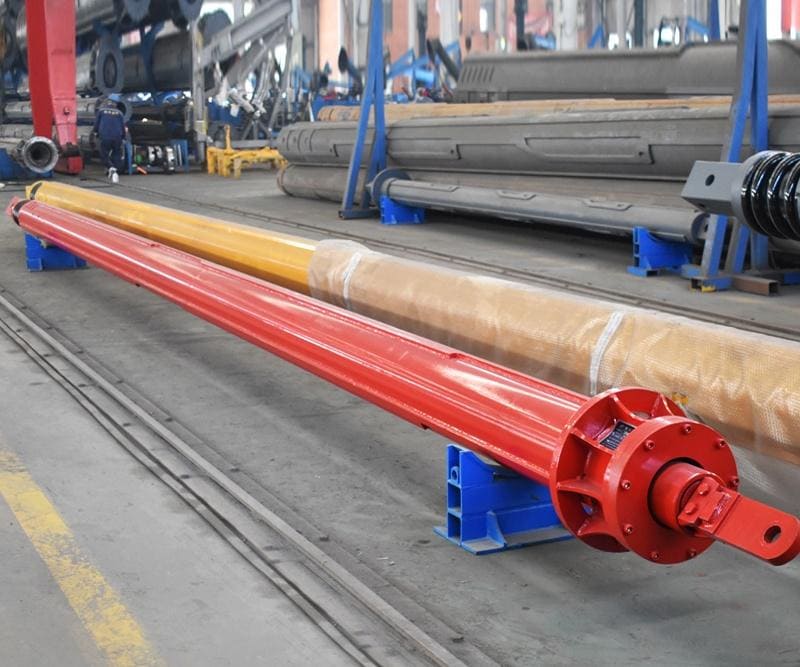
Introduction: Why Choosing the Right Kelly Bar Matters for Rotary Drilling Performance
In modern foundation construction, the kelly bar is one of the most critical components of a rotary drilling rig. As the connection between the rotary drive and drilling tool, the Kelly bar directly affects torque transmission, drilling depth, operational stability, and overall drilling efficiency.
A properly selected Kelly bar allows hydraulic rotary drilling rigs to achieve stable performance under different ground conditions. However, choosing an unsuitable Kelly bar type may result in reduced drilling efficiency, excessive component wear, higher maintenance costs, and unnecessary project delays.
Among the different types of Kelly bars, two designs are widely used in foundation engineering:
- Interlocking Kelly Bar
- Friction Kelly Bar
Although both are designed to transfer rotary torque and support drilling operations, their structures, working principles, and ideal applications are different.
This guide explains the technical specifications, advantages, and best use cases of interlocking vs. friction Kelly bars, helping contractors, engineers, and equipment buyers select the appropriate solution for their drilling projects.
Kelly Bar Specifications: Diameter, Sections, Length and Drilling Depth
Understanding Kelly bar specifications is essential when selecting the correct drilling tool for a rotary drilling rig. The performance of a telescopic kelly bar depends on several key parameters, including outer diameter, number of sections, total length, pressure transmission type, and maximum drilling depth.
A properly matched Kelly bar improves torque transmission, drilling stability, and service life while reducing unnecessary wear on the rotary drive system.
Common Kelly Bar Models and Technical Parameters
The following table shows common Kelly bar configurations for hydraulic rotary drilling rigs:
| Kelly Bar Diameter | Sections | Length Range | Maximum Drilling Depth |
|---|---|---|---|
| Φ299 mm | 3/4/5 sections | 9–14 m | 24–65 m |
| Φ340 mm | 3/4/5 sections | 9–14 m | 24–65 m |
| Φ355 mm | 3/4/5 sections | 9–14 m | 24–65 m |
| Φ377 mm | 3/4/5 sections | 9–14 m | 24–65 m |
| Φ406 mm | 3/4/5 sections | 9–15 m | 24–70 m |
| Φ426 mm | 3/4/5 sections | 9–15 m | 24–70 m |
| Φ440 mm | 3/4/5/6 sections | 9–15 m | 24–85 m |
| Φ470 mm | 3/4/5/6 sections | 9–16.5 m | 24–91 m |
| Φ508 mm | 3/4/5/6 sections | 9–18 m | 24–103 m |
| Φ530 mm | 3/4/5/6 sections | 9–20 m | 24–114 m |
| Φ580 mm | 3/4/5/6 sections | 9–24 m | 24–138 m |
| Φ630 mm | 3/4/5/6 sections | 9–26 m | 24–150 m |
1. The Kelly Bar Diameter: What You Need to Know for Better Drilling Performance
The diameter of the Kelly bar is a critical factor in its ability to withstand stress and torque-which is why it’s so important to get it right.
Small Diameter Kelly Bars (299–406 mm)
You’ll most often find these bars being used for standard foundation drilling, for medium-depth piling projects, and in general civil construction. They’re also lighter and more versatile, making them a great fit for smaller and medium-sized rotary drilling rigs.
Large Diameter Kelly Bars (440–630 mm)
Big diameter Kellys bring a lot to the table: they’ve got higher rigidity, better resistance to bending, and a higher torque transmission capacity. They’re ideal for deep foundation projects, large diameter bored piles, and heavy-duty drilling operations. For example, a 630mm Kelly configuration can reach drilling depths of 150 meters-which is no small feat.
1.1 What Kind of Kelly Bar Do I Need? 3, 4, 5 or 6 Sections?
The choice of how many sections you need will often come down to a balance between drilling depth and structural stability.
3-Section Kelly Bar
These are good for when you need high rigidity and better torque transmission, which can be beneficial in a variety of situations. They’re recommended for hard soil conditions, high-torque applications, and short drilling depths-but they won’t give you the same level of flexibility as a multi-section bar.
4-Section Kelly Bar
The 4-section Kelly bar is one of the most commonly used configurations, and for good reason. It offers a balance of drilling depth, strength, and equipment compatibility, which makes it a great all-around choice.
5- and 6-Section Kelly Bars
For when you need to drill really deep, multi-section Kellys are the way to go. They’re designed to handle deeper drilling requirements and often have more compact transportation dimensions, which can be a real advantage.
1.2 Locking Systems: Machine Lock vs. Friction
Kelly bars these days can usually be found with either a machine lock or a friction locking system.
Machine Lock Kelly Bar
Machine lock Kelly bars use a mechanical locking system to provide strong torque transmission, excellent crowd force transfer, and better performance in tough formations. They’re the way to go when you need to drill through rock, dense gravel, hard clay-or any other hard material.
Friction Kelly Bar
Friction Kelly bars use friction between the telescopic sections to transfer torque. This can make for a faster extension and retraction, smoother drilling, and reduced mechanical shock-which makes them ideal for soft soil, sand, silt-and urban construction projects.
2. The Interlocking Kelly Bar-Getting Maximum Torque in Tough Ground
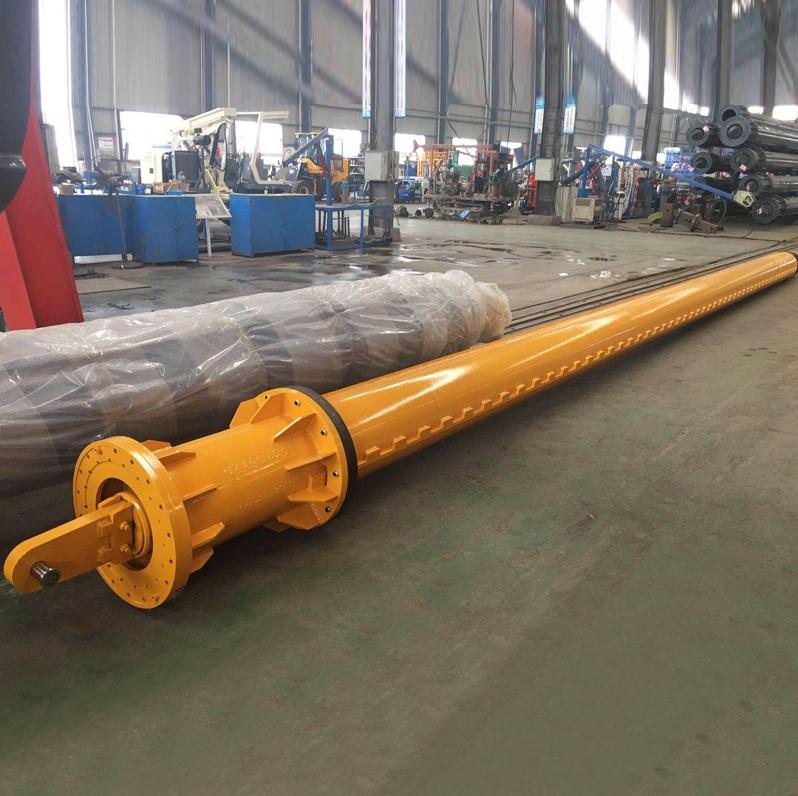
How Does an Interlocking Kelly Bar Actually Work?
An interlocking Kelly bar is just a telescopic bar that’s got a clever locking system between each bit that slides out.
It works by having drive keys and lock pockets that lock together in a positive way, so you get both:
- The rotary torque gets passed along just fine
- And crowd force gets transferred without a problem
Unlike those friction-based systems that just sort of hope things stick, an interlocking Kelly bar actually physically locks each bit together so you get a stronger force transfer when you’re wrestling with tough drilling operations.
The Key Advantages of Friction Kelly Bars
1. They’re a Whole Lot Faster
Because friction Kelly bars don’t need to worry about locking and unlocking all the time, they let you get telescopic movement going way faster-and that means improved drilling cycle efficiency, reduced operation time, and that makes them perfect for high-priority projects where speed and productivity are everything.
2. They Let You Go Deeper with Less Weight
Friction Kelly bars are generally a bit lighter than the equivalent interlocking design, which means you can achieve deeper drilling without ever having to worry that your rig won’t be able to handle the weight.
That’s particularly useful for projects like:
- Deep drilling into soil
- Light duty civil construction
- Water well drilling
3. They Run Smooth and Quiet
The friction-based design just makes for smoother torque transmission-and that means less mechanical shock goes into the rotary drive system.
So they’re great for:
- Drilling in cities where you don’t want to disturb anyone
- Working in sensitive noise areas
- Anytime you want to keep things tidy and compact-especially in tight urban spaces
4. Interlocking vs. Friction Kelly Bar: Technical Comparison
| Feature | Interlocking Kelly Bar | Friction Kelly Bar |
|---|---|---|
| Connection Method | Mechanical locking system | Friction-based transmission |
| Torque Transmission | Higher torque capacity | Suitable for standard torque applications |
| Crowd Force Transfer | Excellent | Moderate |
| Drilling Speed | Stable under heavy loads | Faster extension and retraction |
| Weight | Generally heavier | Generally lighter |
| Maintenance | Requires inspection of locking keys | Requires monitoring of friction key wear |
| Best Application | Hard rock, deep foundation, heavy-duty drilling | Soft to medium soil, urban construction |
5. How to Choose the Right Kelly Bar for Your Rotary Drilling Rig
Choosing between an interlocking Kelly bar and a friction Kelly bar depends on several factors.
5.1 Consider Ground Conditions
Choose an Interlocking Kelly Bar for:
- Rock formations
- Dense gravel
- Hard clay
- High-strength geological layers
Choose a Friction Kelly Bar for:
- Sand
- Silt
- Soft clay
- Medium soil conditions
5.2 Consider Drilling Depth and Diameter Requirements
Deep drilling applications require careful matching between:
- Drilling depth
- Hole diameter
- Kelly bar weight
- Rotary rig capacity
Large-diameter piles and heavy foundation projects usually require stronger torque transmission capability.
5.3 Match the Kelly Bar with the Rotary Drilling Rig
A Kelly bar must be compatible with the carrier rig.
Important matching factors include:
- Maximum torque output
- Kelly bar weight capacity
- Mast strength
- Rotary drive specifications
Incorrect matching may cause unnecessary stress on the drilling rig structure.
6. Kelly Bar Maintenance Tips to Extend Service Life
Proper maintenance can significantly improve Kelly bar service life.
Daily Inspection
Operators should check:
- Surface cracks
- Tube deformation
- Welding conditions
- Drive key wear
- Terminal joint condition
Cleaning and Lubrication
Keep the following components clean and properly lubricated:
- Guide keys
- Inner tubes
- Locking areas
- Terminal connections
Removing soil and debris helps reduce friction damage.
Inspect Springs and Buffer Components
Some Kelly bar systems include damping components to reduce impact loads.
Regular inspection helps protect:
- Rotary drive systems
- Structural components
- Drilling equipment
FAQs——Information about the equipment
What is the maximum drilling depth of a Kelly bar?
The drilling depth depends on the Kelly bar diameter, number of sections, and rotary drilling rig configuration. Based on common Kelly bar specifications, drilling depth can range from approximately 24 meters to 150 meters.
What is the difference between an interlocking Kelly bar and a friction Kelly bar?
An interlocking Kelly bar provides mechanical locking between sections, offering higher torque and crowd force transmission. A friction Kelly bar uses friction-based torque transfer, providing faster operation and smoother drilling performance.
Contact EVERSTAR for the High Quality Equipment
Standard kelly bars in EVERSTAR can finish construction task well on time depending on its torque demands whatever the challenging ground conditions.
Just contact EVERSTAR for the appropriate kelly bar in your project.

