
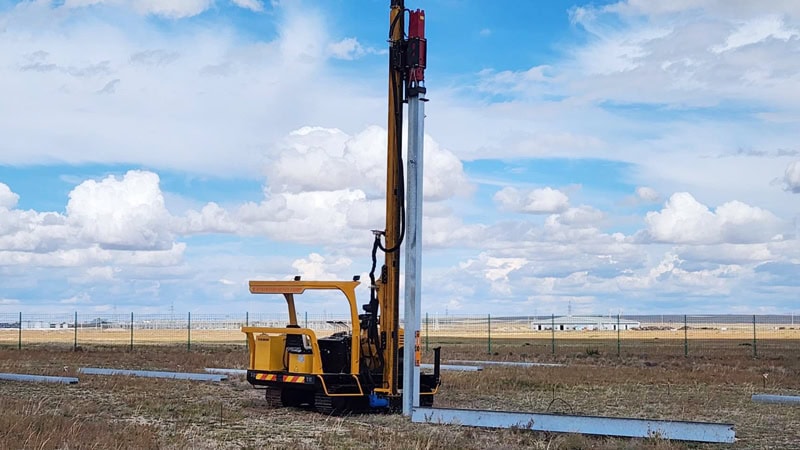
Key Takeaways
- Diesel pile drivers provide continuous operation, high impact energy, and reliable performance for demanding or remote construction sites involving timber piles or concrete piles.
- Electric and gasoline models are quieter, produce fewer emissions, and suit smaller, indoor, or environmentally sensitive projects that involve lighter pilestructures or limited access to power.
- Equipment selection should consider project scale, terrain, noise restrictions, and power availability to maximize efficiency.
- Everstar offers specialized pile drivers for diverse applications, from highways and solar farms to urban fencing and other structures in confined locations.
Pile drivers are essential tools in construction, used for solar posts, guardrails, fencing, and other projects requiring deep foundation support. Selecting the right power source affects efficiency, reliability, and overall job site productivity, especially when handling timber, concrete, or sheet piles.
Everstar’s pile drivers are primarily diesel-powered, engineered for consistent force, high reliability, and continuous operation for demanding projects, including remote or medium-scale sites. Electric pile drivers are available on the market and suitable for smaller, quieter projects or indoor applications.
This article provides an overview of pile driver power sources, compares diesel and electric options, reviews common equipment types, and highlights key considerations for selecting the right solution for each construction task.
Power Source Options and Equipment Types
Diesel pile drivers use internal combustion enginesto drive piles through hydraulic or mechanical impact systems and can be paired with a drill for pre-boring into tough soils. They deliver strong, consistent blows capable of penetrating challenging ground and adapting to different soil types.
Everstar diesel models are commonly used in solar farms, guardrail installations, and fencing projects where a stable pile head connection and uniform hydraulic pressure are essential. Diesel engines allow for quick refueling and sustained work, making them ideal for remote or large-scale sites without the need for fresh air ventilation required by enclosed electric operations.
Handheld gasoline models offer portability and ease of use for smaller posts or restricted areas. Electric models, while quieter and low-maintenance, are generally suited for projects that don’t require continuous high-force operation or the torque generated by hydraulic motors.
Diesel vs Electric Equipment Fundamentals
Diesel and electric pile drivers each provide different types of advantages:
Diesel pile drivers provide:
- Continuous operation with fast refueling
- High impact energy, allowing deep pile penetration
- Durability for heavy-duty projects and uneven terrain
- Reliability in remote sites without access to power grids
Electric pile drivers offer:
- Low maintenance and reduced operational costs
- Zero emissions, suitable for indoor or environmentally sensitive sites
- Ease of setup for smaller-scale applications
Pile Driver Types and Configurations
Construction tasks require specific types of pile and power sources. Choosing the right configuration ensures efficiency, accuracy, and safe operation across varied sites.
- Solar Pile Drivers: Diesel-powered machines drive posts deep into the ground, ensuring a stable foundation for solar installations. Effective across diverse soil conditions where consistent impact energy from hydraulic hammers is critical.
- Portable Handheld Pile Drivers: Gasoline models allow quick installation in confined or remote areas. Suitable for fencing or temporary barriers when dealing with lighter types.
- Guardrail Post Drivers: Diesel models deliver precision and force for guardrail posts on varied terrains, maintaining alignment at the pile head and ensuring smooth installation.
Advanced Pile Driving Hammers for Every Jobsite
Everstar pile drivers support hydraulic hammer systems tailored to meet the needs of every project. Their hydraulic hammers deliver strong, consistent energy for deep pile installation and can be used in conjunction with diesel and air hammers, depending on the type of pile material.
Vibratory hammer systems that use counter-rotating eccentric weights are available on the market. However, Everstar’s range primarily consists of hydraulic hammers that minimize disturbance by reducing vertical and horizontal vibrations while maintaining steady penetration through challenging soil types.
Additional tools like the traditional drop hammer, modern pile hammer configurations, or alternatives for other types of foundations give crews the flexibility to build piers, reinforce buildings, or prepare foundations in wood, steel, or oil infrastructure projects.
Performance, Efficiency, and Application Scenarios
Selecting the right power source significantly impacts productivity, project costs, and site adaptability. Everstar diesel pile drivers excel in environments that require continuous operation, deep penetration, and heavy-duty reliability across a range of mixed soil conditions.
Electric or gasoline alternatives are better suited for smaller, quieter, or indoor jobs. They work well for fence installation, temporary barriers, or small-scale farm structures, providing a clean, low-noise operation that minimizes vertical vibrations in sensitive areas where large diesel machinery may be impractical.
Productivity and Lifespan
Diesel pile drivers maintain high working speed and consistent depth. Their engine design supports stable hydraulic pressure, while durable mechanical components—such as cylinder assemblies and impact systems—help maximize service life.
Electric models run quietly and need less regular maintenance. However, they might require frequent charging or battery replacements, making them more appropriate for short-term, indoor, or confined-space use.
Different Types of Application Contexts
- Highway and Guardrail Projects: Diesel drivers deliver the force and reliability needed for roadside terrain and unpredictable ground conditions.
- Solar Farms: Diesel machines drive supports efficiently through soft soil or rocky ground, providing a stable foundation regardless of pile type.
- Remote or Off‑Grid Sites: Diesel machines operate continuously without reliance on grid power.
- Urban or Indoor Jobs: Electric or gasoline-powered handheld drivers are suitable for fencing projects, signage, or areas where emissions, noise, or space constraints limit the use of diesel. In sensitive zones, a pile driver can also reduce disturbance while maintaining steady penetration.
Sustainability, Cost, and Future Trends

As construction moves toward greener practices, companies consider energy consumption, emissions, and long-term regulatory impacts. Diesel pile drivers remain cost-effective upfront, durable, and long-lasting. Everstar is monitoring sustainability trends and exploring innovations to minimize environmental effects wherever possible.
Electric alternatives produce no on-site emissions, reduce noise and vibration, and require less maintenance over time, making them attractive for urban construction, eco-sensitive zones, or areas prioritizing sustainability.
Environmental Impact
Diesel pile drivers emit CO₂ and NOₓ, similar to fuel engines, but their high fuel efficiency and long lifespan help mitigate their overall impact. Everstar machines are built for durability and minimize waste. Electric models eliminate tailpipe emissions and reduce noise in sensitive areas.
Regulatory Compliance and Operational Cost
Diesel drivers incur fuel costs, which is more convenient than charging or replacing batteries with electric power. As a result, their reliability and long service life often offset these costs. In most cases, diesel power is more effective at overcoming environmental challenges, especially in complex terrain.
As regulations evolve, different types of pile driver power sources will expand. Everstar supports the gradual adoption of electric devices while maintaining required productivity. Operational costs—including training, parts, and energy—should align with the project type and the expected lifespan of the pile driving equipment.
Operators must also follow OSHA protocols for the safe handling of diesel and electric pile driving hammers, treating each system as a device that requires proper training to avoid incidents related to pressure, impact, fuel, or ignition point risks.
FAQ: Types of Pile Driving Power Source
What are the core differences between diesel and electric pile drivers?
Diesel pile drivers rely on internal combustion engines and a diesel hammer to deliver high impact energy, continuous operation, and reliable performance on heavy-duty or remote projects. Electric or gasoline models operate more quietly, produce zero emissions, and are easier to maintain, but they are better suited for smaller-scale, indoor, or temporary installations.
Which power source performs better for large projects?
Diesel-powered pile drivers excel in large projects that require deep pile penetration, sustained force, and continuous operation, without reliance on electrical grids. They maintain consistent speed and reliability in remote locations or rugged terrain, making them ideal for solar farms, highways, guardrails, and other heavy-duty construction scenarios.
How do I select the right pile driver for my budget?
Budget considerations depend on initial cost, operating expenses, and project scale. Diesel drivers are cost-effective in the long term due to their durability and fewer replacements, despite the costs of fuel pumps. Electric or gasoline handheld models may cost less upfront or require lower maintenance, but are better for small-scale, indoor, or short-term projects.
Conclusion: Making the Correct Choice for Mitigating Environmental Effects
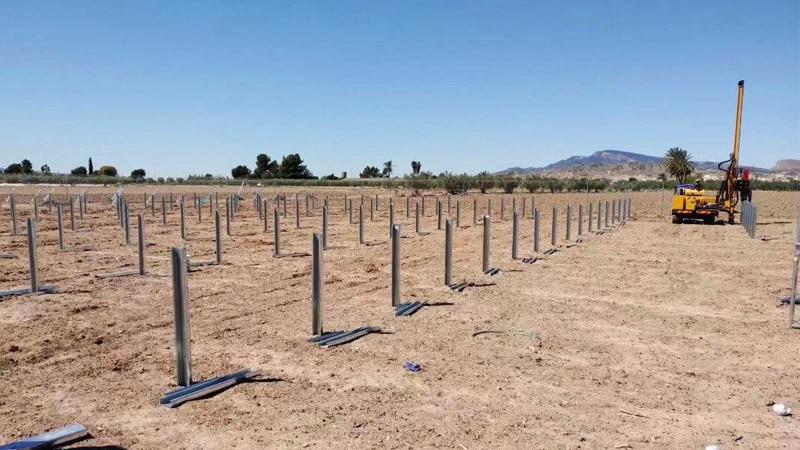
Selecting a pile driver machine depends on project scale, terrain, noise restrictions, and power availability. Everstar diesel pile drivers excel where continuous operation, deep penetration, and heavy-duty reliability are required.
Handheld gasoline models complement diesel machines for use in confined or remote sites, offering portability and flexibility. Electric alternatives to mechanical devices are ideal for indoor or eco-sensitive projects, offering quiet operation and zero on-site emissions.
By considering operational needs and job site constraints, contractors can maximize efficiency, reduce downtime, and achieve consistent results. Leveraging Everstar’s expertise ensures the right equipment is deployed for each task.
Request an Everstar Pile Driver Evaluation for Diesel Engines
Contact Everstar specialists for a personalized evaluation or technical demonstration. Our team provides site-specific recommendations, after-sales support, and guidance on diesel, electric, and handheld solutions to ensure the right equipment is selected for each project.

