
Key Takeaways
- A correctly sized backhoe hammer attachment turns one backhoe loader into a compact demolition and road repair rig.
- Matching breaker class, hydraulic flow, and tool bits improves breaking speed, stability, and component life while lowering fuel use and labor demand.
- Planned workflows allow crews to break, trench, and load with a single carrier.
- Proven operating habits such as proper positioning and disciplined greasing protect the breaker, boom, and hydraulics from wear.
- Managing vibration, noise, debris, and underground utilities keeps demolition work safe, compliant, and neighbor-friendly.
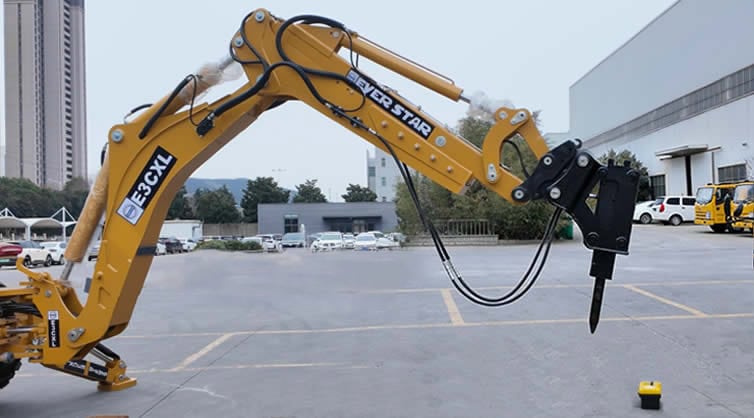
A backhoe hydraulic breaker, commonly referred to as a hammer breaker, transforms a familiar backhoe loader into a compact demolition and roadwork solution for tight or congested job sites.
Instead of mobilizing a separate excavator, skid steer, compact track loader, or mini excavator solely for breaking, contractors across construction can tackle concrete, asphalt, and rock using the same carrier already handling excavation and loading tasks with reliable power.
This article focuses on practical ways to select, configure, and operate a backhoe hammer breaker so contractors achieve maximum efficiency, uptime, and return from one carrier.
Choosing the Right Equipment Type: Hydraulic Breaker and Attachments
A backhoe hammer must be properly matched to the carrier’s weight and hydraulic pressure and flow to deliver a powerful force without harming the machine.
When the breaker, hydraulic piston, and backhoe are correctly sized, each blow transfers energy into the material instead of rebounding into the boom, pins, and operator.
Oversized or undersized breakers increase vibration, slow production, and shorten the service life of both the attachment and the carrier.
Matching Breaker Class to Backhoe Weight and Hydraulics
Start with the backhoe’s operating weight and auxiliary hydraulic specifications. A typical loader backhoe in the 7–9 ton range performs best with a medium breaker class designed for that carrier, not a hammer intended for a larger excavator or for compact track loaders.
- Municipal road patch: A mid-size backhoe paired with the correct breaker class operates comfortably at rated flow and pressure, lifts the attachment with stability, and fractures pavement in clean strips.
- Undersized breaker: A light hammer on a heavy backhoe feels smooth but struggles with reinforced concrete, forcing long impact times that increase heat and downtime.
- Oversized breaker: A large breaker on a smaller model overloads hydraulics, transmits severe vibration through the boom, and stresses stabilizers or tires, especially on uneven ground.
Correct matching protects the machine, improves serviceability, and provides consistent breaking performance across every shift.
Selecting the Right Tool Bits for Concrete, Asphalt, and Rock
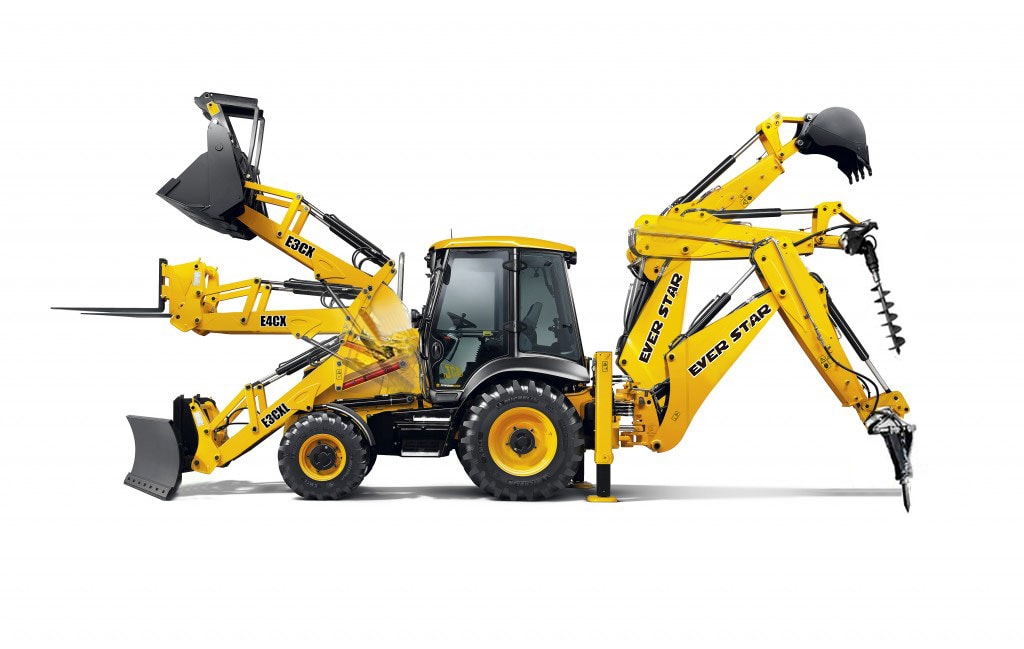
The tool bit determines how effectively the impact energy fractures the material. Choosing the correct profile is just as important as selecting the breaker itself.
- Moil point: A versatile choice for general demolition, curbs, and concrete around service infrastructure where controlled cracking is required.
- Chisel: Ideal for directing fractures along a line, such as cutting asphalt or scoring concrete joints during road repairs.
- Blunt: Best for massive rock, heavily reinforced sections, or other materials where stressing a larger surface area produces better results
Efficient jobs rely on quick tool changes. Use retention systems that provide operators with fast tool swaps in minutes, not downtime-heavy changeovers. Crews should be trained to:
- Inspect tool length daily and replace tools worn short enough to reduce stroke efficiency
- Monitor bushing wear and radial play, which increases vibration and misalignment
- Watch for mushrooming, cracks, or severe flattening that indicate overload or incorrect technique
EVERSTAR offers a full range of demolition hammer attachments and accessories, including moil points, chisel tools, and blunt bits matched to common demolition and roadwork applications.
Contractors looking to configure or upgrade their tool selection can view EVERSTAR’s full backhoe accessories range.
Demolition Workflows: Turning a Backhoe Into a Compact Demo Rig
A backhoe equipped with a hydraulic breaker can serve as the primary demolition machine on smaller projects. Productivity comes from planning the sequence so one machine can break, separate, and load material in efficient passes.
On tight spaces in urban sites or confined demolition areas, the breaker handles initial breaking while the front loader bucket manages debris and stockpiles. Instead of adding steer loaders, mini excavators, or multiple equipment types, one well-configured backhoe keeps work moving quickly with fewer mobilizations.
Using Breakers in Road Repair and Utility Trenching
Road and infrastructure crews see the greatest value from a hydraulic hammer on patch repairs and trenching work. A proven workflow includes:
- Score the perimeter with a saw or chisel tool to protect adjacent pavement and produce clean edges.
- Break in strips, starting at edges and working inward rather than pounding the center of the slab.
- Control depth near underground service infrastructure using lighter, controlled blows, a key safety measure to avoid harming pipes, conduits, or duct banks.
- Switch to the bucket immediately once the surface is broken to trench, remove excavated material and backfill, without bringing in another carrier.
With disciplined sequencing, one backhoe with a breaker attachment can make short work of asphalt, concrete, and rock before transitioning directly and quickly into excavation and restoration.
Operating Techniques That Maximize Hydraulic Hammer Breaking Efficiency
Operator technique ultimately determines whether a hydraulic breaker delivers consistent productivity or excessive wear. Correct positioning, impact timing, and daily care protect both the breaker and the carrier while maintaining maximum efficiency.
Core Operating Techniques Table
| Technique Area | Practical Guidelines | Why It Matters |
| Positioning | Keep tool perpendicular. Start at edges or cracks. | Directs stress into material; protects the boom. |
| Feed Force | Apply firm downforce without lifting tires. | Prevents bounce; ensures energy transfer. |
| Impact Time | Limit to 10–15s per spot. Move in grids. | Prevents overheating and dust cushioning. |
| Blank Firing | Stop as soon as material breaks. Never fire in air. | Protects internal parts from shock loads. |
| Daily Checks | Inspect and clean hoses, pins, and mounts daily. | Maintains performance; prevents leaks. |
| Greasing | Apply chisel paste every 2 hours during use. | Reduces friction and prevents tool seizure. |
| Wear Monitoring | Check bushing and shank regularly. Replace early. | Preserves alignment and component life. |
| Cooling | Pause during long cycles or in hot weather. | Protects seals and hydraulic oil quality. |
Safety and Noise Control With Backhoe Breaker Hammers
Hydraulic breaker attachments bring demolition power into busy streets and corridors, making safety planning essential.
Correct setup and effective technique reduce risks from flying debris, underground utilities, and excessive vibration.
Managing Vibration and Noise on Road and Urban Sites
While hydraulic breakers generate noise and vibration, whether on road sites, construction zones, quarries, or light mining applications, thoughtful operation keeps both under control:
- Use correctly sized breakers and appropriate tool profiles to avoid over-hammering.
- Break from edges and corners to reduce the total number of blows required.
- Schedule heavy breaking during approved work windows, select quieter tool profiles, and use short, controlled bursts where noise limits apply.
- Maintain clear exclusion zones, use protective screens when required, and follow local safety guidance according to the Occupational Safety and Health Administration OSHA, for hearing protection and vibration exposure for every operator on site.
Balanced machine configuration and disciplined workflows help contractors remain productive while minimizing disruption and complaints.
FAQs — Backhoe Hammer Breaker
What size hydraulic hammer do I need for typical concrete and asphalt removal?
Most loader backhoes in the 7–9 ton range perform best with a medium-class breaker matched to auxiliary hydraulic flow and pressure. The breaker should be light enough for stable handling yet powerful enough to break road slabs and sidewalks.
Can one hydraulic breaker attachment handle both demolition and trenching in rock?
Yes. Many attachments can manage light-to-medium demolition and trenching in fractured or moderately hard rock. Success depends on correct sizing, tool selection, and controlled technique.
How do I prevent damage to my backhoe when using a hydraulic breaker?
Prevent deterioration by matching the breaker to the carrier, staying within rated hydraulic limits, and using disciplined habits. Maintain a perpendicular attack angle, avoid prying or lifting with the tool, limit impact time per spot, and minimize blank firing.
Making the Most of a Hydraulic Breaker on Every Demolition Shift
When correctly sized, set up, and operated, a hydraulic hammer turns a standard backhoe loader into a compact demolition and road repair platform. Smart selection and disciplined technique deliver powerful, controlled breaking without overstressing the carrier, while efficient workflows allow one machine to break, trench, and load in rapid succession.
This effective approach reduces manual labor, limits the number of machines on site, and keeps production predictable, shift after shift.
Configure Your Next Package With EVERSTAR
If you have an interest in turning your backhoe into a more effective demolition attachment carrier, EVERSTAR Machinery is ready to help customers. Share your backhoe model, typical concrete and asphalt thicknesses, ground conditions, and productivity goals.
Whether you are looking to rent or buy through direct sale, consult our specialists to learn more and find the right hydraulic breaker attachment features for the kind of power and excavation performance your sites demand.

