
Solar Pile Driver Spec Checklist for EPCs: Data Points to Request Before You Sign
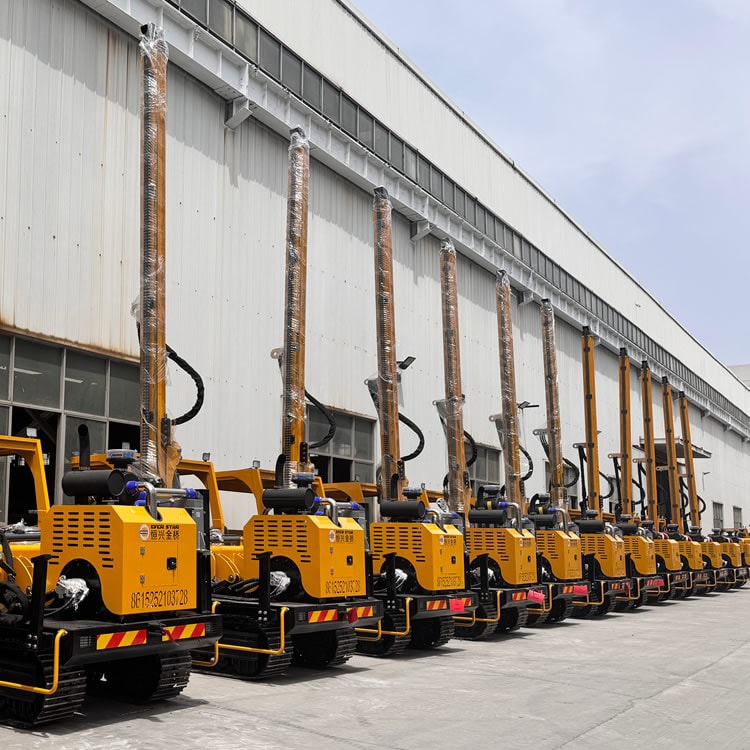
Key Takeaways
- A structured solar pile driver specification allows EPCs to compare machines based on measurable performance rather than marketing claims.
- Real productivity depends on the interaction between power, cycle time, positioning accuracy, and ground response.
- Correctly matching pile length, depth, and soil windows prevents schedule risk and unnecessary capital expense.
- Powertrain, hydraulics, and control systems strongly influence fuel consumption, reliability, and long-term operating cost.
- A clear specification checklist helps EPCs standardize procurement and gain a competitive edge across multiple solar installations.
Many EPCs still select a solar pile driver based on headline specifications that look strong on paper but offer limited insight into real site performance.
Generic brochures often focus on maximum power or peak output, while overlooking how machines behave across long shifts, uneven ground, and repetitive installation cycles. This gap leads to overspending on oversized machines or costly delays caused by underpowered equipment.
This article provides a practical, data-driven pile drivers specs checklist to help EPCs and solar developers evaluate photovoltaic pile drivers and pv pile driver options objectively.
By focusing on high efficiency, productivity, and compatibility with ground conditions, decision-makers can select equipment that delivers reliable performance across utility-scale solar arrays and demanding construction schedules.
Hitting the Right Productivity Targets from Day One
Productivity losses rarely stem from a single weak specification. They emerge when power delivery, positioning speed, and operator workflow fail to align.
Strong solar pile driver specifications translate technical data into predictable daily output rather than abstract performance claims, allowing EPCs to benchmark each PV pile driver against real productivity targets.
Cycle times, blow rate, and realistic piles per day
Impact energy and blow rate are only meaningful when considered within a complete operating cycle.
EPCs should evaluate how quickly the pile driver can align with the solar pile, clamp securely, drive piles to depth, release, and reposition to the next location. Travel speed between rows of solar arrays also influences output.
With favorable ground conditions, a properly engineered photovoltaic piling machine can success install 200–300 piles per day, provided the overall workflow and operator positioning remain efficient.
Depth, Pile Length, and Ground Conditions
A mismatch between various types of pile drivers design and machine capability is one of the most common causes of project delays. EPCs should ensure the selected pile driver can manage the full range of piles specified for the project.
Maximum pile length vs. design embedment
Mast height, hammer stroke, and vertical clearance must be checked against the longest piles in the design, not just the average. EVERSTAR Machinery focuses on photovoltaic pile drivers engineered for 3-6 m piles, which aligns with small- and mid-scale solar foundations.
Selecting machines equipped for deeper foundations often increases weight, price, and transport complexity without improving installation outcomes for solar projects. Right-sizing of the pile driver improves stability, speed, and overall efficiency.
Soil windows and pre-drilling options
Manufacturers typically list suitable soil conditions, but EPCs should request detailed information on torque capability and compatibility with auger or DTH tools when harder layers are expected.
These tools are accessories rather than machines, and their integration with the base pile driver optimizes how effectively crews can adapt across varying ground profiles.
Understanding soil windows helps EPCs plan installation sequencing, avoid excessive vibration, and maintain consistent pile driving performance across large and diverse terrains.
Powertrain, Hydraulics, and Control Systems

The reliability of a pile driver over long shifts depends on the interaction between engine power, hydraulic capacity, and control logic.
Engine options, fuel efficiency, and maintenance access
Engine selection affects fuel consumption, emissions compliance, and service intervals. Efficient engines help control operating costs while maintaining sufficient photovoltaic power.
Maintenance access is equally important; easily reachable filters and service points reduce downtime and keep operators focused on installation rather than repairs.
Hydraulic capacity and hammer performance
Hydraulic flow rate, operating pressure, and cooling capacity determine how consistently the hammer delivers impact energy. Insufficient cooling often limits performance during long shifts, especially under high heat climate conditions.
EPCs should verify that hydraulic systems are capable of sustain stable power throughout continuous operation without overheating or pressure loss. Stable hydraulics improve reliability and extend component durability, reducing the risk of unplanned stoppages.
GPS guidance, auto-positioning, and operator interfaces
Modern photovoltaic pile drivers may include GPS-based fixed-point automation to improve positioning accuracy. Data tags and logging features support quality control and documentation requirements.
Safety, Compliance, and Documentation Requirements
Early specification of safety and compliance features reduces friction during inspections and commissioning, especially when equipment selection aligns with recognized standards from organizations such as OSHA.
Noise, emissions, and working near communities
Noise output, vibration levels, and emissions performance are critical when projects are located near residential areas or environmentally sensitive sites.
Engine configuration and muffler design influence sound levels, while documented compliance simplifies audits. Prioritizing safety and environmental responsibility supports smoother project approvals and reduces reputational risk.
Configurability, Accessories, and Upgrade Paths
Flexibility determines whether a photovoltaic pile driver or photovoltaic piling machine remains valuable beyond a single project.
Interchangeable hammers, augers, and pullers
Quick-change systems allow crews to adapt to changing soil conditions by switching between hydraulic hammers, augers, drilling rigs or pile pullers.
This capability enables EPCs to manage different tasks with one core machine, reducing the need for additional equipment and improving fleet utilization while reducing overall labor costs.
Transport dimensions and mobilization costs
A compact design reduces logistics complexity, allowing machines to move between sites more frequently without inflating costs. Efficient transport planning supports tighter schedules and improves overall project control.
Service, Training, and Total Cost of Ownership

The initial purchase price rarely captures the full long‑term value of the equipment.
Calculating the lifetime cost per installed pile
EPCs should combine purchase price, fuel consumption, maintenance, operator training, downtime risk, and residual value to estimate cost per installed pile. This approach highlights the true financial impact of equipment choices.
Solar pile driving, with higher-quality machines and strong support networks, often achieves lower lifetime costs through improved precision and reliability, especially when the selected pv pile driver is precisely matched to site conditions.
FAQs – Photovoltaic Piling Machine
Which solar pile driver specifications matter most for project speed?
Project speed depends on how hammer power, hydraulic stability, positioning accuracy, and operator workflow work together. A balanced solar pile driver features aligned with soil conditions consistently outperforms machines selected based solely on peak power ratings.
Can one solar pile driver handle different soil conditions across a large solar farm?
Yes, if the machine supports interchangeable tools and sufficient hydraulic capacity. Accessory compatibility allows a photovoltaic pile driver to adapt across varying ground profiles while maintaining stability and efficiency.
How do I know if a solar pile driver is oversized or undersized for my project?
Oversized machines increase purchase price and transport costs without improving results. Undersized machines struggle with depth or soil resistance. Understanding how pile length, ground conditions, and daily output targets compare with the spec sheet helps EPCs determine the right equipment fit.
Conclusion: Turn Your Spec Sheet into a Competitive Edge
A data-driven checklist transforms the solar pile driver specifications from a sales document into a strategic decision tool. EPCs that evaluate productivity, depth capability, hydraulics, and after-sales support reduce construction risk and improve procurement outcomes.
Photovoltaic pile drivers from EVERSTAR Machinery are engineered to deliver consistent productivity, accuracy, and uptime across repeated solar projects.
Share Your Project Specs with EVERSTAR for a Customized Pile Driver Checklist
Submit soil reports, pile designs, and schedule a consultation with EVERSTAR Machinery through our website.
Our technical team will review the following information, recommend tailored machine configurations, suggest suitable accessories, and provide realistic productivity estimates, helping you benchmark competing offers and select the right solar pile driver with confidence.

