
Learn how to troubleshoot hydraulic pressure problems in solar pile drivers. Discover causes, solutions, and tips to boost efficiency in solar farm construction.
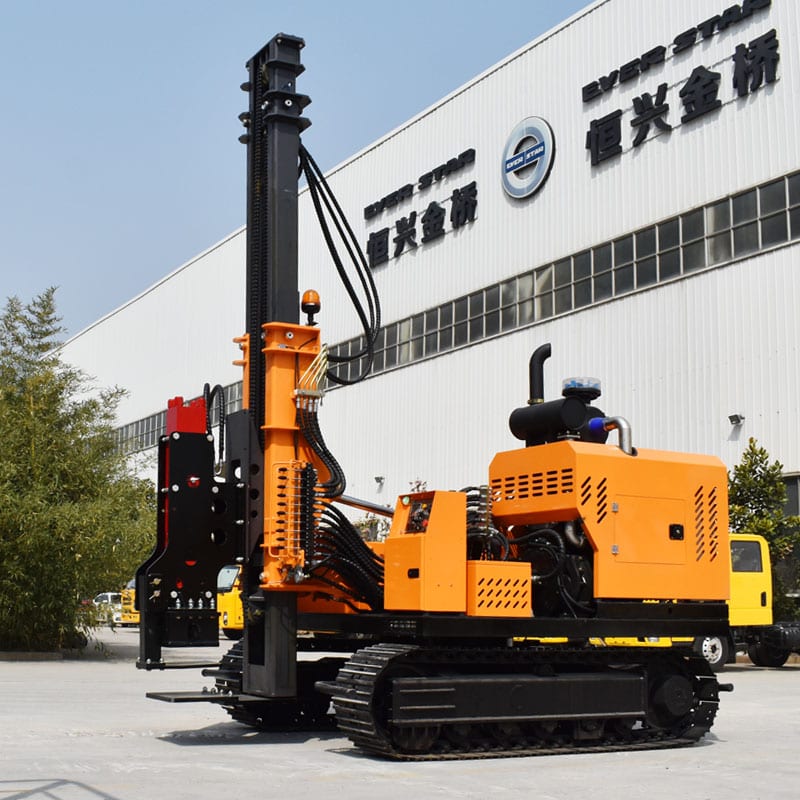
Key Takeaways
- A sudden loss of hydraulic pressure in a solar pile driver can lead to construction delays. Therefore, identifying the underlying cause is essential to ensuring installation efficiency and foundation quality at solar power plants.
- Choosing the right pile-driving equipment is essential for tackling challenging terrain, while promptly identifying and resolving hydraulic power loss is key to ensuring accurate pile-driving depth and positioning.
- Contractors must systematically assess the condition of the pile driver’s hydraulic system to ensure construction accuracy and the efficient delivery of renewable energy projects.
In modern solar farm construction, solar pile drivers play an essential role in ensuring the efficiency and productivity of pile installation. During large scale solar farms development, crews rely heavily on high-performance equipment to install piles securely into the ground. However, when experiencing a sudden loss of hydraulic pressure, the installation process can become severely labor intensive and delayed. Understanding the root cause of these hydraulic factors—ranging from soil conditions to machine wear—is crucial to maintaining high quality standards and ensuring that foundations provide reliable support for solar panels across various solar projects.
Why Is Your Hydraulic System Losing Pressure?
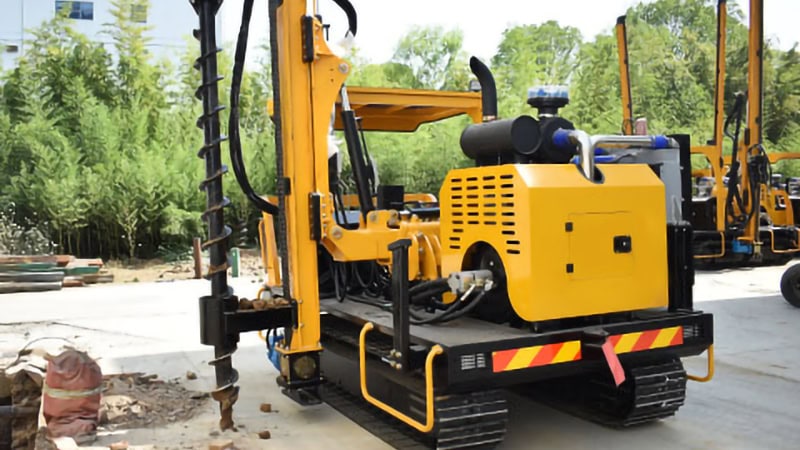
Navigating uneven terrain or extremely hard rock and soil requires selecting the right pile driver with the ability to maintain consistent power. Unlike traditional methods using simple wood or heavy concrete piles, advanced solar industry technology utilizes specialized models equipped with a hydraulic hammer or ground screws. If your pile driving machine—whether a standalone rig or an excavator attachment—loses hydraulic force, it directly impacts the driving depth and precise pile positioning. Addressing this concern promptly through proactive service provides a cost-effective solution that protects your project timeline and maximizes operational benefits.
1. Hydraulic Pump Failure or Internal Wear
Causes:
- Damaged hydraulic pump components.
- Worn components or excessive clearance between mating parts, resulting in severe internal leakage.
- Low hydraulic oil level, leading to insufficient oil supply or causing the hydraulic pump to run without adequate oil intake.
- Poor sealing in the suction line, causing a vacuum to form on the suction side.
- Poor sealing in the pressure line, resulting in hydraulic oil leakage.
Solutions:
- Replace damaged hydraulic pump components.
- Repair or replace severely worn components.
- Refill the hydraulic oil to the specified level.
- Inspect the suction line, fittings, and seals. Tighten loose fittings and improve sealing as necessary.
- Inspect the pressure line and repair any leaks.
2. Relief Valve Failure
Causes:
- The spring is deformed or broken.
- The valve spool is stuck in the open position, preventing the system from building up normal pressure.
- The poppet or steel ball does not seat properly against the valve seat.
- The damping orifice is clogged.
- The remote control port is incorrectly connected to the tank return line.
Solutions:
- Replace the deformed or broken spring.
- Inspect and repair the valve spool to ensure smooth and unrestricted movement.
- Replace the damaged poppet or steel ball, and inspect the valve seat to ensure proper seating.
- Clean the damping orifice.
- Inspect the remote control port and hydraulic line connections, and correct any improper return-line connections.
3. Internal Leakage in the Hydraulic Cylinder
Cause:
The high-pressure and low-pressure chambers of the hydraulic cylinder communicate with each other, resulting in internal leakage and reducing the system’s ability to build up and maintain pressure.
Solutions:
- Inspect and repair the hydraulic cylinder piston.
- Replace failed or damaged seals.
- Have qualified maintenance personnel inspect the internal condition of the hydraulic cylinder.
4. Unloading of Certain Valves in the Hydraulic System
Cause:
Certain valves in the hydraulic system may unload, preventing the pressurized hydraulic oil from building up or maintaining pressure as required for normal operation.
Solution:
Identify the specific valve responsible for unloading and determine the underlying cause. Perform the necessary repairs accordingly.
Note: The manual does not provide a complete list of specific causes for this fault. Therefore, low hydraulic pressure alone is not sufficient to conclude that a particular valve is damaged.
5. Severe Leakage in the Hydraulic System
Causes:
- Damaged or failed seals.
- Leakage from hydraulic lines, fittings, or other hydraulic components.
- Excessive internal leakage, resulting in a reduction in effective operating pressure.
Solutions:
- Inspect hydraulic lines, fittings, hydraulic cylinders, and sealing points.
- Replace failed seals.
- Repair leaking components to restore the system’s sealing integrity.
- Immediately replace any hydraulic hose that shows bulging, damage, or leakage.
6. Damaged or Malfunctioning Pressure Gauge
Cause:
A damaged or malfunctioning pressure gauge may give the false impression that the system has no pressure.
Solution:
Replace the damaged or malfunctioning pressure gauge, then check the actual pressure condition of the hydraulic system.
Key Point: An abnormal pressure reading does not necessarily mean that the hydraulic system is unable to build up pressure. The pressure gauge must be checked first to rule out measurement errors.
7. Hydraulic Oil Viscosity Too Low
Cause:
Hydraulic oil with excessively low viscosity can increase internal leakage within the hydraulic system, reducing its ability to build up and maintain pressure.
Solutions:
- Check whether the hydraulic oil type and viscosity meet the equipment manufacturer’s specifications.
- Replace the oil with hydraulic oil that meets the specified viscosity requirements.
- Check whether the oil being used is suitable for the current operating temperature.
8. Excessively High Hydraulic Oil Temperature
Cause:
An increase in hydraulic oil temperature reduces its viscosity, which can increase internal leakage within the hydraulic system and lead to a drop in pressure.
Solutions:
- Identify the specific cause of the elevated oil temperature.
- Take appropriate cooling measures based on the cause of the problem.
- Check whether the system is experiencing high-pressure operation, excessive leakage, abnormal friction, or other related issues.
- Once the oil temperature returns to the normal range, check whether the system pressure has also returned to normal.
To meet exact project requirements and adhere to strict industry standards, contractors working on solar farm projects must make an informed decision when evaluating hydraulic system health. Factors such as heavy weight capacity, demanding ground conditions, and large installations put immense strain on hydraulic components. Proper troubleshooting ensures that every solar pile is installed accurately to continuous depth, empowering crews to deliver green energy projects efficiently across demanding uneven ground.
FAQs
What causes low hydraulic pressure in solar pile drivers on job sites?
Low hydraulic pressure in solar pile drivers is often caused by factors such as clogged hydraulic filters, worn pump components, fluid leaks, or low oil levels. Additionally, operating on challenging uneven terrain or in tough soil conditions (like buried rock) can put extra strain on the hydraulic hammer and power systems. Regular equipment service and checking hydraulic system health are essential to maintain maximum efficiency during pile installation.
How does hydraulic pressure loss impact solar farm construction timelines?
Loss of hydraulic force prevents the machine from driving piles to the required continuous depth and compromises accurate pile positioning. This forces crews to rely on labor intensive manual checks or secondary digging, delaying the entire installation process. Maintaining proper pressure ensures high productivity and keeps large scale solar farms moving forward according to industry standards.
Contact EVERSTAR for Pile Driving Equipment
Whether you need reliable equipment recommendations, technical service, or specialized machinery tailored to your specific ground conditions and project requirements, we provide end-to-end support to ensure your pile installation stays on schedule and within budget. Our team of industry experts is here to help.

