
Understanding common faults in pile driver hydraulic systems is not only beneficial for operators to become more familiar with machine operation, but also helps extend the service life of the equipment.
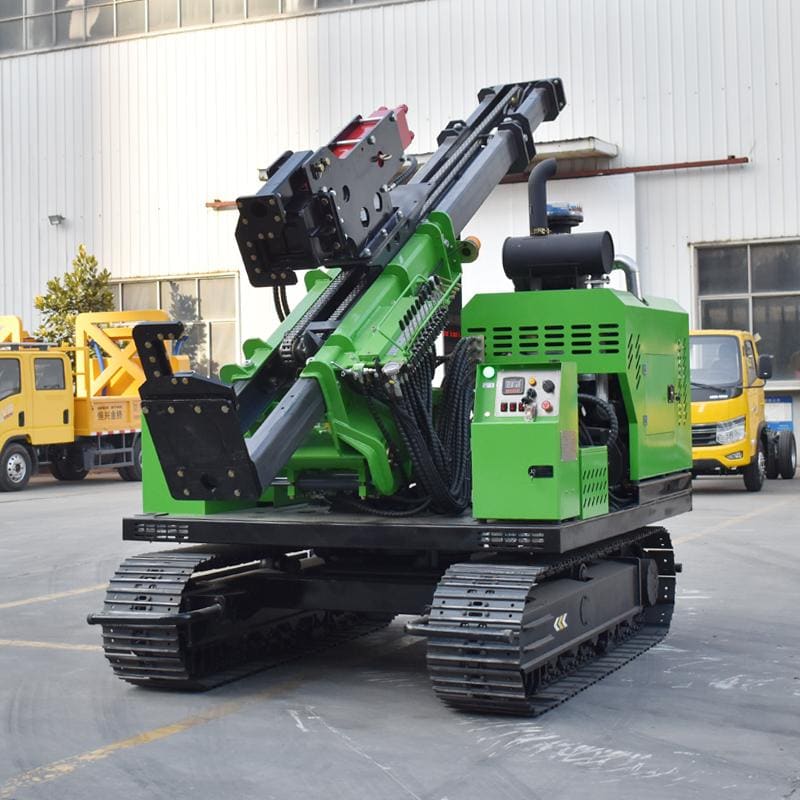
Key Takeaways
- Although modern solar pile driving equipment has far surpassed traditional methods in terms of efficiency and precision, understanding the factors that can cause downtime remains key to maintaining high productivity.
- Listing five common hydraulic system problems of pile drivers in detail helps operators improve maintenance safety and enhance piling efficiency.
- The hydraulic system must be regularly maintained and inspected to ensure long service life and efficient, safe operation of the equipment.
In the demanding field of construction, establishing solid pile foundations is a critical task for ensuring the long-term stability of massive structures like buildings and bridges. Whether you are working on a commercial foundation or a specialized solar project in the rapidly growing solar industry, using reliable solar pile driving equipment is absolutely essential.
Solar pile driving equipment
Moving away from traditional methods that once relied heavily on steam, fuel, or older diesel hammers, modern contractors now utilize advanced rigs, a precise vibratory pile driver, or powerful hydraulic hammers to drive piles into the ground.
These modern tools offer superior precision and efficiency when dealing with a wide range of materials from wood and concrete to heavy steel penetrating through tough soil, heavy clay, or even solid rock to the required depth. However, any machine can suffer a sudden break in its workflow. Based on extensive research and guidelines from leading manufacturers, maintaining high productivity requires a deep understanding of the factors that cause downtime.
Below, we explore 5 common issues with your construction pile driver and the best troubleshooting methods.
| Fault | Reason | Troubleshooting |
|---|---|---|
| The gear pump does not rotate | Spline shaft wear | Replace spine shaft |
| The multi-way valve does not return to the neutral position | Return spring damanged | Replace with spring |
| Multi-way valves are laborious to operate | Iron filings or dirt enter the valve stem | Remove iron filings or dirt |
| The multi-way valve does not operate | The return spring in the valve is misalinged | Disassemble the multi-way valve and reassemble it |
| Hydraulic hammer slow frequency and weak work | Nitrogeon leakage and insufficient pressure | Use a nitrogen pressure gauge to check and keep the nitrogen pressure at 1-1.3Mpa |
| Insufficient hydraulic oil | Replenish hydraulic oil | |
| The oil suction filter is clogged | Remove obstruction, clean or replace | |
| Cant’t absorb oil | To solve the problem of air leakage in the oil suction pipe or dryness of the oil suction pipe, a vacuum cannot be formed. Fill the oil suction pipe with oil. | |
| The multi-way valve safety valve fails or the pressure is low | Adjust the safety valve pressure to 16 Mpa or replace the safety valve. | |
| Poor sealing of oil cylinder | Check or replace sealing ring | |
| Oil pump leakage | If the pressure plate is wron or the shaft seal and seal are damanged, replace them. Pay attention to installing the oil pump so that the spindle is not subjeect to axial force. | |
| The hydraulic oil model is incorrect | Depending on the season, replace the specified type of hydraulic oil. |
5 Common Issues on pile drivers from EVERSTAR

1. The Gear Pump Stops Dead in Its Tracks
A gear pump that’s working properly is the lifeblood of your whole hydraulic setup. Without it, you’re basically dead in the water when it comes to pile driving. And the most common reason for it failing to rotate is due to spline shaft wear which can have serious consequences for your equipment. Replacing the worn spline shaft is the most straightforward way to get things back on track. It’ll put the gear pump’s rotational speed and overall capacity back where it should be. And by doing so you’ll be giving the pump the longevity and reliability it needs to keep on trucking.
2. Multi-Way Valve Won’t Budge
You need to be able to control the hammer or ram with precision when you’re working with heavy equipment on a job site – because safety really depends on it. But when the multi-way valve doesn’t return to neutral when you lower the equipment or release it well, that can make things very unpredictable. Usually, this is due to a damaged return spring. Swap that out for a new one and the valve should be back to normal in no time. And that means your operators even the trainees fresh out of an apprenticeship program can handle the heavy lifting.
3. Multi-Way Valves Are a Right Pain to Use
When you’re operating heavy machinery, you don’t need the added stress of struggling with stiff controls on top of everything else. If your multi-way valves are really tough to turn, you can bet that there’s iron filings or dirt clogging up the valve stem. That’s going to make it hard for the piston and internal bits to work smoothly. Clear out the iron filings and dirt, and your valves should be working like a dream again. And keeping your hydraulic system clean is crucial for extending the life of your equipment – it’s just basic maintenance.
4. The Multi-Way Valve Completely Fails to Operate
A complete breakdown of the multi-way valve will just bring things to a dead halt. Both the raise and fall motions of the driver will come to a standstill. In some cases, if the valve is completely unresponsive, the return spring inside has probably got itself into a bit of a mess maybe it’s misaligned. You’ll need to pretty much take the multi-way valve apart from scratch and then carefully put it back together to sort that alignment out. And just to make sure that the hydraulic fluid is making its way to the right place and not relying on a bit of forced air to make things happen, that’s precisely what this tricky task will do.
5. Hydraulic Hammer’s Slow Frequency and Weak Work cripples it’s Function
When a hydraulic system starts to drag its heels and can only muster a weak force, its ability to work as a hammer with any real oomph is severely sapped. This isn’t just a minor issue – it can make it really tough to get the pile head moving through tough terrain. There are any number of things that could be going on here:
- Pressure Going Down the Drain: If there’s nitrogen leakage or the nitrogen pressure has sagged so it’s not what it should be, then the work, well, it’s pretty subpar. Try cranking up the nitrogen to 1-1.3MPa and see if that doesn’t do the trick.
- Fluid Failing: If there’s not enough hydraulic oil or the wrong oil is being used, then things are just going to stall. Always use the right hydraulic oil and replenish it whenever you need to, depending on the time of year.
- Blockages and Leaks Taking the Shine Away: If the filter’s clogged, the oil’s not being sucked up properly (and that prevents a vacuum in the suction line), or the oil cylinder seals are all wrong, then things are going to be moving at a snail’s pace. Get rid of any blockages, fill that suction line with oil and take a look at the seals to see if they need replacing.
- Components Giving Out: It’s possible that the multi-way safety valve has gone on the fritz (just adjust the pressure up to 16Mpa or swap it out) or there’s a problem with the oil pump – maybe a leak. If the pressure plate is all worn out or the shaft seals have given up the ghost, then it’s probably time to replace them, making sure the spindle isn’t going to be subjected to any kind of axial force when you put it all back together.
Vibratory pile driver: Essential Daily Maintenance for Pile Driver Hydraulic Systems

To keep your construction equipment durability and running strong for the long haul, regular daily maintenance on the hydraulic system is a must. While todays hydraulic systems are built to last and handle the shock of high weights and extreme use, neglecting the basics can cut their lifespan to pieces and really cramp up their daily performance too.
In the factory, these hydraulic systems are built tough and designed to withstand all sorts of punishment but on the job site, you need to make sure to keep them in good nick. For example, unlike back when you used to rely on compressed air or gravity to get that pile through a stubborn underground layer, now these machines use complex oil compression systems to get the job done. And if you dont keep that hydraulic oil squeaky clean and topped off to the right level, the machine just wont have the power to get the job done smoothly & safely.
Everyday, you need to run your eyes over this equipment to make sure your hydraulic system is doing commonly. You need to be checking hoses for signs of leakages, making sure the pressure gauges are spot on, and wiping down those valve stems to keep the whole shebang running at its absolute best on site.
FAQs——Construction Pile Driver Maintenance and Services
Why does my construction pile driver’s hydraulic hammer go slow and weak?
A slow or weak hydraulic hammer on your pile driving rig usually suggests that there is either a leak in the system or there’s an issue with fluid flow. To figure out what’s going on, first take a look for any signs of nitrogen loss and make sure the pressure is staying between 1-1.3MPa. Next up, double check that your hydraulic oil levels are good and that you’re using the right oil for the time of year. Don’t forget to inspect the oil filter for blockages – and that oil suction filter for any blockages too. Also worth checking are the oil cylinder’s seals and if you find any damage on components like the multi-way safety valve or shaft seals, they will need to be replaced. If you have a complex hydraulic overhaul on your hands, it’s probably best to give a professional solar pile driver services a call to get it done safely.
What should be included in my daily maintenance routine for solar pile driving equipment?
Day to day maintenance is key to keeping your construction pile driver reliable and running smoothly over time. For the hydraulic system you are going to want to make sure the hydraulic oil that’s getting supplied to the system is clean and at the right level. This will all help with proper fluid compression.
Daily routine should also include giving the hydraulic hoses a once over for leaks, checking on the pressure gauges and wiping down the valve stems with a cloth to get rid of any dirt or debris that’s built up. Keeping these parts clean will ensure your equipment is always delivering the power needed for heavy pile installation jobs without any unexpected downtime.
Contact EVERSTAR for High-quality Solar Pile Driver
Every machine from EVERSTAR undergoes strict quality inspection. If any issue occurs on the job site, the after-sales team responds as quickly as possible, ensuring construction efficiency is not affected. Just contact EVERSATR for the high quality machine in your next project.

