
More attention should be paid on the process of operating a backhoe loader. Normally, the operation manual is delivered to the customer along with the machine after purchase. EVERSTAR provides detailed instructions on machine usage, covering everything from equipment maintenance to construction site conditions. EVERSTAR has always been committed to helping users solve problems encountered during the construction process.
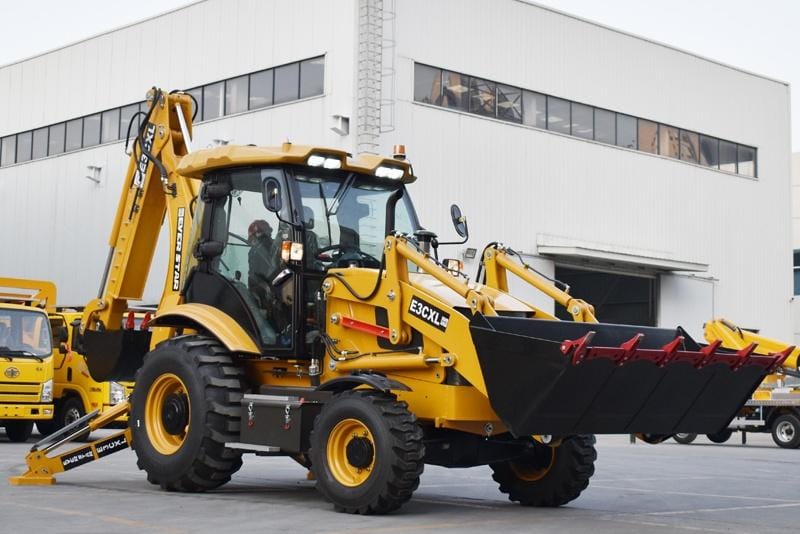
EVERSTAR: Backhoe loader model
Key Takeaways
- Disabling or ignoring the safety devices of a backhoe loader will significantly reduce the machine’s stability and increase the risk of rollover or being struck by objects. Therefore, strict compliance with safety procedures is required, and appropriate personal protective equipment must be worn to ensure safe operation.
- Operating a backhoe wheel loader without regard to environmental and site constraints can seriously affect its stability and performance. Therefore, it is necessary to operate the machine strictly within the working limits by EVERSTAR.
- Before operating a backhoe wheel loader, a thorough safety inspection of the equipment must be carried out, and safety procedures must be strictly followed during operation to ensure safe load control and excavation work.
Risks of Disabling Safety Devices on a Backhoe Loader
When operating a heavy backhoe loader, ignoring standard safety reminder can lead to serious consequences on the construction or demolition job site. As a common example in the heavy machinery industry, most backhoe loaders are strictly prohibited from being operated without full safety gear as shown in Safety Manual.
For example, if an operator does not fasten the seat belt properly while seated in the seat of a tractor loader backhoe, serious injury may occur if the machine moves suddenly or becomes unstable. Operating the machine without properly installed and secured FOPS and ROPS systems reduces protection against falling heavy materials and rollover accidents. Removing, bypassing, or modifying safety devices such as the ROPS/FOPS structures, seat switches, protective covers, warning lights, or buzzers can affect the stability and safety of the chassis.
In addition, operators should always wear appropriate personal protective equipment when using a loader backhoe. Following all safety requirements helps ensure safe operation and maintain the efficiency of the machine.
Operating Your Backhoe Wheel Loader Within Job Site Limitations
A backhoe wheel loader, based on a heavy-duty design or a compact tractor configuration, is built to deliver high power and versatility. To ensure safe and reliable operation, the machinery must be used only under the conditions specified in the Safety Manual. Operating, steering, or parking the machine outside these limits may affect its stability and change its operating weight performance.
Important environmental factors include extreme ambient temperatures and the altitude of the operating location, as both can affect engine performance. Operators should carefully assess the side slope, front-to-back slope, and overall ground inclination before operating the digger to reduce the risk of tipping. The machine should not be used on unstable ground, surfaces with insufficient load-bearing capacity, or areas that may become submerged, such as rivers, streams, or other waterways. Extra caution is required when working near welding operations or sandblasting activities carried out for anti-corrosion purposes.
Hazardous environments, including poor air quality, toxic liquids, harmful gases or vapors, underground construction areas, potentially explosive atmospheres, and radiation hazards, are outside the approved operating range for these tractors. Avoiding such conditions helps ensure that this versatile machine can be used safely and effectively across different projects. In addition, limited space and difficult terrain require operators to understand the machine’s maneuverability limits and maintain full control at all times.
Crucial Maintenance and Repair Precautions for a Reliable Loader Backhoe
When choosing a backhoe loader for sale, maintenance is as important as the initial purchase from a trusted dealer. Poor maintenance or repair mistakes can reduce efficiency and damage key safety features over time.
Technicians follow the manufacturer’s specified maintenance instructions, scheduled service intervals. Delaying inspections intended to detect or prevent structural damage is not allowed. Repairs should never be carried out while the loader is unstable or while the engine is operating.
Before starting any work, allow the high-pressure hydraulic system and hot engine surfaces sufficient time to cool, and always engage the dedicated safety support strut before working on the machine. To maintain original lifting capacity and factory ability, only approved spare parts should be used.
- When preparing the machine for transport, ensure it is securely fastened to the transport vehicle.
- Never smoke or use open flames when handling flammable materials or during refueling. Avoid using high-pressure washers or cleaning agents that are not compatible with the machine.
- Do not modify the hydraulic or control systems, and do not change the interchangeable backhoe attachments or other standard attachments without prior written approval from the manufacturer.
Essential Pre-Driving Checks and On-Site Operational Rules
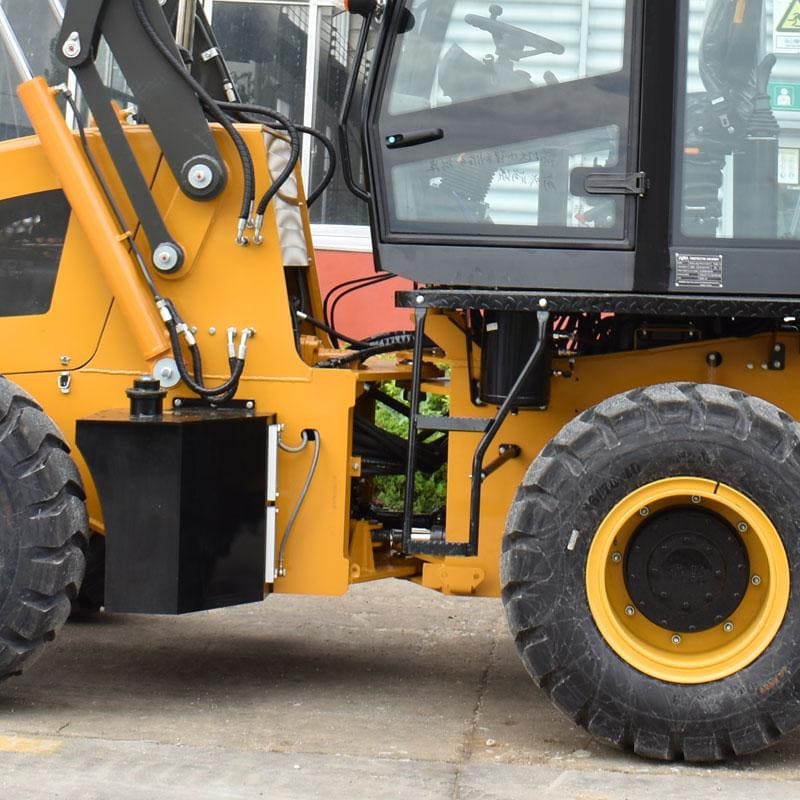
Before operating any high-performance backhoe wheel loader model for landscaping or excavation work, a full pre-operation inspection is required. As outlined in the Safety Manual, the operator must check that all safety indicators and warning signals show no faults or active warnings. The drivetrain and transmission systems must also be verified to be in normal working condition.
- Before starting the job, ensure that no personnel are present in the intended travel path or active site. The operator must remain properly seated in the operator’s seat with the seat belt fastened at all times.
- During operation at the attachments site, follow all safety rules. Do not enter designated hazard zones, and do not place hands or limbs near moving components such as working attachments, the loader bucket, auxiliary implements, or cooling fans.
- Proper operation of these tasks helps the digger manage the load safely and maintain control over digging depth and maximum dig depth targets.
Improper Operations that Pose Fatal Threats to Operator Safety
Knowing what not to do is essential when choosing a a backhoe loader for sale, since incorrect operation can cause serious injury and major machine damage. The Safety Manual highlights that not following local occupational health rules or basic site safety practices can quickly lead to hazardous situations.
These multi-purpose units are highly capable machines and are typically compared with larger equipment such as a heavy excavator or full-size loader. Improper practices in material handling can lead to serious accidents.
- When operating in backhoe mode, ensure the loader bucket and stabilizer legs are firmly on the ground to maintain proper balance and weight distribution.
- Alcohol or drug use during operation is strictly prohibited. Untrained or unauthorized personnel must not operate the machine.
- Contact with overhead power lines can result in fatal electric shock.
Keep all bystanders and maintenance personnel away from hazardous areas whenever the machine is operating. Severe crushing injuries can occur near the working attachments, swing frame, stabilizer legs, front loader boom, and engine compartment.
- Always park the machine properly and replace damaged or worn parts promptly to prevent accidents. Hot surfaces can cause serious burns if touched before cooling down, and high-pressure fluids may penetrate the skin and cause severe injury.
- Follow the manufacturer’s instructions when charging batteries or performing a jump start, as incorrect procedures may result in explosions or abnormal engine behavior.
To prevent slips and falls, personnel should only use designated steps, platforms, and handholds, and should never climb directly on the tires or stand on surfaces not intended for access. Wet weather, snow, ice, frost, and excessive dust can reduce traction on pedals, walkways, and handrails, increasing the risk of accidents. It is important to keep the chassis clean and free of mud, grease, and other debris, as accumulated dirt can make access areas slippery and cover important safety decals. A clean machine also makes it easier to carry out routine operations safely and efficiently.
FAQs——Safety operation and Maintenance
How does a backhoe loader differ from a standard excavator in tight spaces?
While a large excavator typically requires substantial clearance for its swinging tail, a compact backhoe wheel loader offers superior maneuverability in restricted terrain. Thanks to its unified chassis design, this versatile machinery can carry heavy materials on its front loader bucket and seamlessly switch to digging tasks, making it ideal for multi-purpose urban construction projects where space is limited.
What are the best practices for storing backhoe attachments during off-season maintenance?
When your tractor loader backhoe is not in active use, detach optional components like specialized digger buckets or landscaping tools. Store these attachments on a clean, level surface away from moisture to protect their operating weight structural integrity. Applying a light layer of anti-corrosion grease to hydraulic couplers ensures your loader backhoe remains highly capable for future job site purchases.
Contact EVERSTAR for High-quality Backhoe Loader
To meet the diverse needs of consumers, EVERSTAR has been dedicated to manufacturing high-quality machines for use in a wide range of construction applications. Just provide your expectation, experts in EVERSTAR will offer the appropriate purchase plan.

