
Discover the real lifespan of hydraulic crawler solar post driver equipment. This guide analyzes whole-machine quality and key component durability for solar projects.
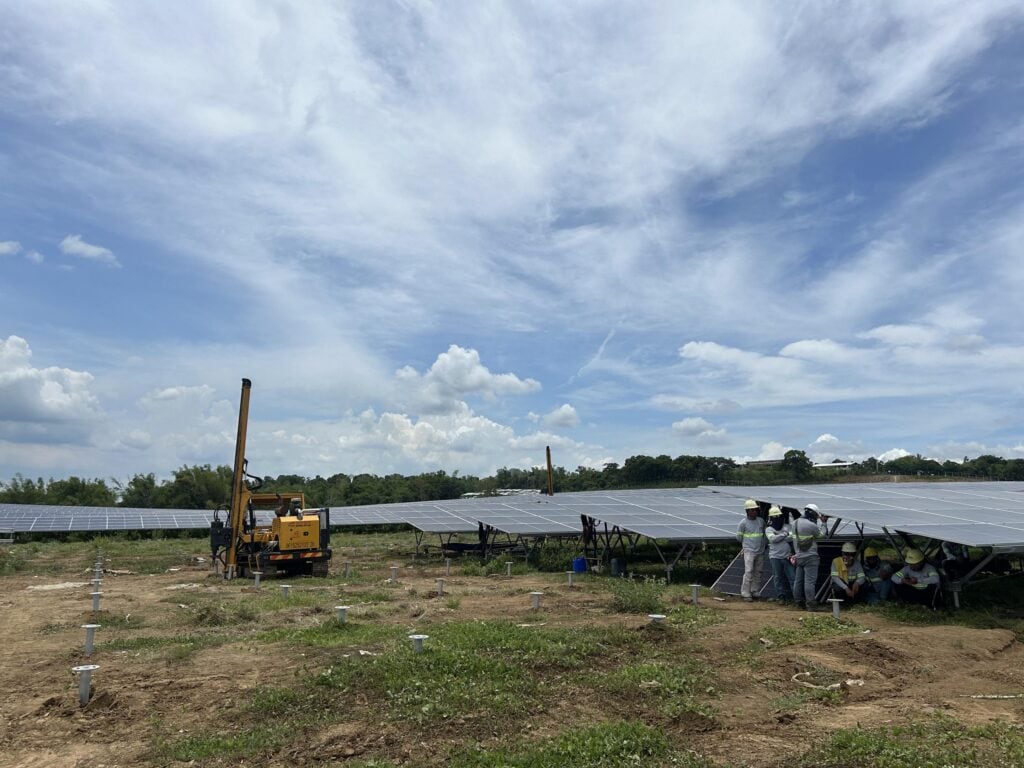
Key Takeaways
- A high-quality solar pile driver features a main structure designed for a service life of 5–8 years (or over 10,000 operating hours) under standard operating conditions.
- High-end solar pile drivers enhance durability and structural strength by adopting Q355 high-strength steel, high-precision CNC machining, and strict factory testing procedures.
- Regularly inspect and replace critical wear parts, such as buffer pads and filters, according to the maintenance schedule. Perform routine maintenance on the hydraulic and lubrication systems to ensure reliable equipment performance.
Introduction: Understanding the Lifespan of Solar Piling Machinery
When investing in solar pile driver equipment, one of the most critical questions contractors ask is: How long does a solar pile driver last? In modern solar energy projects, ensuring the long-term durability and structural integrity of your fleet is paramount to achieving a high return on investment and maintaining project budget control.
Under standard operating conditions, the core structure of a high-quality photovoltaic pile driver—including the main frame, integral guide rail, and boom—is engineered with an exceptional design life of 5 to 8 years, or over 10,000 cumulative working hours. However, maximizing this service life depends heavily on strict compliance with the first maintenance protocol, routine servicing, and avoiding operational violations on the job site.
Whole-Machine Quality & Structural Integrity
The manufacturing foundation of premium pile driver models relies on advanced engineering and high quality pile drivers are built to withstand the rigorous demands of solar pile installations. Utilizing Q355 high-strength low-alloy steel, the chassis, boom, and propulsion beams undergo full-penetration welding, post-weld stress relief, and reinforcement ribbing to prevent deformation caused by long-term construction vibrations.
Furthermore, top-tier machine quality is guaranteed through precise CNC machining, strict guide rail straightness and concentricity debugging, and rigorous factory testing (including overpressure endurance, dynamic piling, and intelligent control tests). This meticulous quality production ensures that the machine provides stable foundations and consistent performance, even when traversing uneven terrain or challenging terrain commonly found in utility-scale solar project developments.
Core Hydraulic System and Power Durability
Beyond the steel frame, the heart of the hydraulic pile driver lies in its power and hydraulic efficiency. Powered by robust 97kW Cummins or 53.7kW Yanmar engines, these systems utilize strategic power redundancy to lower wear, enhance reliability, and prevent prolonged overloading.
Under strict factory maintenance conditions, key components—such as the hydraulic main pump, multi-way valve, travel motor, and the 81-pin intelligent electronic control system—boast a Mean Time Between Failures (MTBF) of over 2,000 hours, equivalent to roughly one year of continuous, heavy-duty construction. Equipped with professional hydraulic matching technology, a system flow of 113.4 L/min, and a rated pressure of 19–20 MPa, the setup minimizes heat generation and overflow loss. To safeguard this system, executing the initial maintenance is non-negotiable; failing to clean out initial metal filings and debris will directly damage the pumps and seals, severely shortening the hydraulic durability.
Managing Key Components and Wear Parts
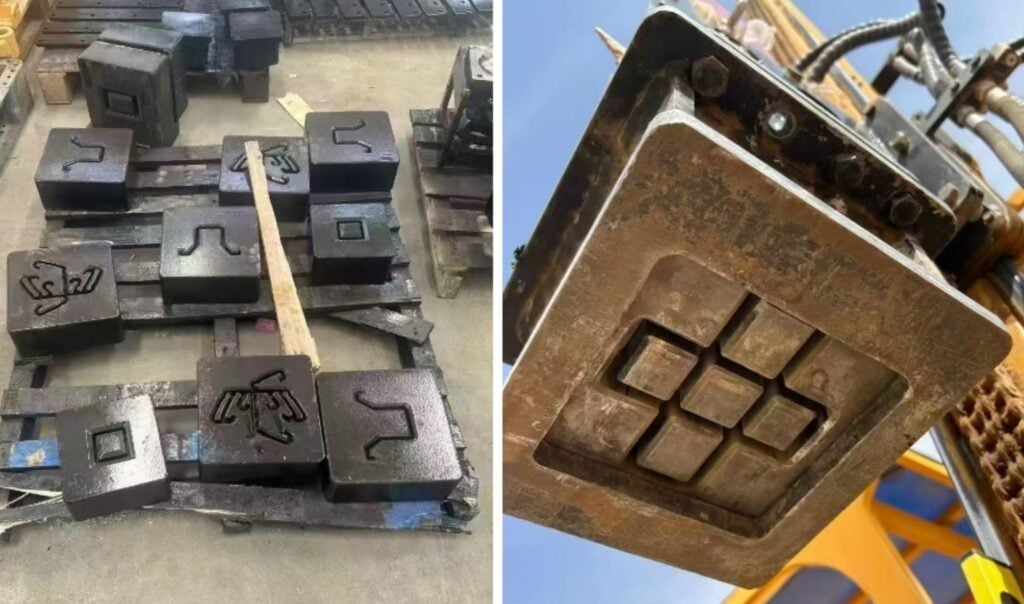
EVERSTAR: Customizable drill bits.
To maintain high productivity and efficiency during solar construction, operators must closely monitor the lifespans of critical consumables. For instance, the hydraulic hammer buffer rubber pad has a normal lifespan of 200 to 500 working hours, heavily influenced by ground hardness and impact frequency. Air filters last 250 to 500 hours in normal environments but drop to 50 to 100 hours in sandy desert conditions.
To ensure long term stability and avoid unexpected costs, daily inspections of fluids, regular lubrication of the guide rail and chain, and replacing hydraulic oil filters every 500 to 2,000 hours are essential. By abandoning slow traditional methods and adhering to these rigorous industry standards, operators can ensure their equipment drives steel piles to the exact required depth with optimal speed and precision, guaranteeing the success of the entire solar industry installation.
Photovoltaic Pile Driver: The Ultimate Solution for Modern Solar Projects
When breaking ground on a large-scale solar installation, the photovoltaic pile driver you choose can literally make or break your timeline and budget. No matter what kind of puzzle your project is, at least you can count on getting a solid performance from a reliable and efficient machine if you pick the right one.
These adaptable units are built to tackle pretty much any job you throw at them-from big construction sites right down to squeezing into tight spots-meaning operators can just move them around as needed, over pretty narrow bridges & into tight areas. Made from top-notch materials, these heavy-duty machines are built to last, and can drive those piles to just the right depth no matter what the terrain’s like-steep, flat, sandy, rocky-you name it.
To keep clients from missing their deadlines, our global sales team are geared up to handle any custom request in double-quick time, so you get the quality machinery you need right when your project needs it.
FAQs——Application of the solar pile equipment
What kind of lifespan can you expect out of a solar pile driver equipment, and how do you make its good condition last?
Under normal use and if you keep it well maintained, the big parts like the frame, boom and guide rail are designed to last for 5 to 8 years – or up to 10,000 hours of work – all things being equal. To get the best out of it though, you’ve got to do the initial maintenance right. If you dont change the engine and hydraulic filters during the first service, you’ll eventually get metal filings and debris in there that can damage the pump and valves, and that cuts the machine’s lifespan way back.
How often do you need to change key wear parts like the hydraulic hammer rubber pad?
How often you need to replace the important bits like the hydraulic hammer buffer rubber pad depends on where you’re working and the conditions. The pad itself usually lasts 200 to 500 hours of work, but that can vary a lot depending on the hardness of the ground and how hard the hammer’s being used. You should be checking the pad every shift for any cracks or signs of wear. At the same time, air filters need to get cleaned out every day and replaced every 250 to 500 hours under normal conditions – or every 50 to 100 hours if you’re working in a really harsh desert environment.
Contact EVERSTAR for Long Lasting Pile Driver
Time and efficiency are important for piling work in the solar project. High-quality machines with a long service life are always the first choice for customers. EVERSTAR machines have demonstrated outstanding performance across various job sites and received widespread customer recognition.

