
Solar Farm Piling Best Practices: Optimizing Efficiency
Key Takeaways
- Soil composition analysis and layout control are the foundation of any productive solar farm piling operation.
- Crew sequencing determines whether you hit 200–400 piles per day.
- Controlling verticality, embedment depth, and spacing protects structural integrity and PV module alignment.
- Traceable QA documentation is crucial for satisfying owners, lenders, and auditors after handover.
- Compact solar pile drivers are optimized for 3–6 m foundations on small- and mid-scale solar projects.
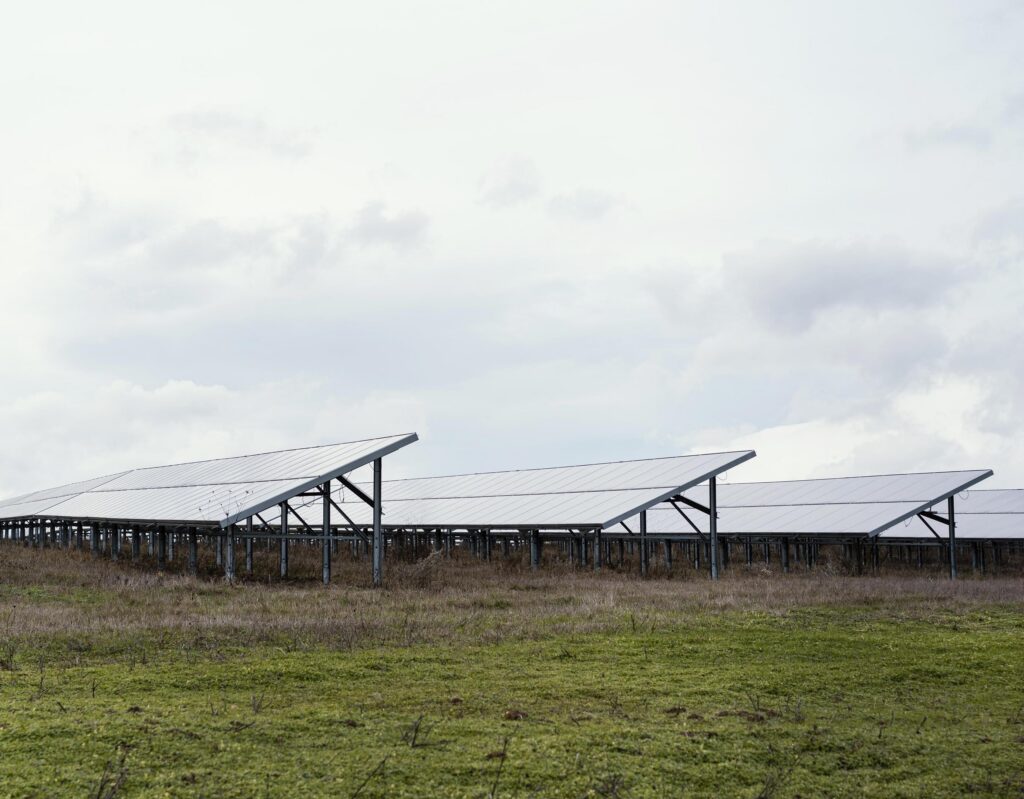
Implementing best practices for solar farm piling is one of the most critical steps in developing a reliable solar power plant.
From the moment pile driving begins, every decision, like pile design, equipment selection, crew workflow, directly affects the structural integrity of the entire mounting system, the long-term efficiency of PV modules, and the energy production the asset will deliver over its lifetime.
This article is a practical jobsite playbook covering best practices for solar farm piling in small- and mid-scale PV projects. It focuses on daily actions that maintain high production and quality and complements EVERSTAR resources for selecting solar pile drivers and comparing foundation methods.
All examples assume compact, land-based pile drivers handling 3–6 m piles, which are the workhorses of solar farms and light construction, where significant capital is deployed, and cost efficiency is non-negotiable.
Pre-Piling Homework: Site, Environmental Impact and Solar Farm Layout Preparation Done Right
Careful preparation before pile driving begins is what keeps small and medium solar pile drivers in their ideal operating range and prevents costly rework later. This phase covers soil composition review, pile design decisions, and layout control: three elements that determine whether the installation process runs smoothly from day one.
Translating Soil Composition and Geotechnical Findings Into Pile Design Decisions
Engineers should review soil layers, groundwater depth, and potential obstructions before finalizing pile design. This data directly influences pile length, section size, load-bearing capacity, and whether accessories like auger drills or DTH hammers will be needed.
The objective is foundations up to around 6 m that match compact pile drivers, keeping costs and schedules under control on every solar farm project.
Building a Robust Layout Control Network
Proper alignment of solar panels starts before the machine arrives. Surveyors should establish benchmarks, row baselines, and reference stakes so piling crews can work at production speed with confidence.
GPS-assisted workflows suit flat terrain; sites with elevation changes, remote areas with limited access roads, or irregular shapes may require traditional optical surveys as a complement.
Sequencing the Work: Keeping Pile Drivers Productive All Day
On any solar farm project, the goal is simple: keep pile drivers moving and minimize idle time. Poor sequencing, such as failing to account for equipment failures, is the leading cause of low daily output in scale solar installations.
When crews are well-organized, materials are staged along access roads, and operators follow a constant, logical path through the layout, a modern solar pile driver can install 200–400 piles per dayunder good conditions.
Designing a No-Idle Pile Driving Workflow Around the Machine
A productive crew for scale solar projects typically runs four roles: machine operator, spotter, skid-steer operator for staging piles, and a QA checker.
When synchronized, the machine moves from pile to pile with minimal downtime. Pre-position pile bundles along each row to eliminate long travel legs, and keep the rig on a consistent end-to-end path.
Adapting the Sequence to Environmental Factors, Weather and Ground Variability
Rain, soft spots, and unexpected cobbles are common challenges on any solar farm.
Temporarily skip rows with problematic ground and return after drainage. Switch to auger pre-drilling in zones where soil composition changes abruptly to maintain production rhythm without damaging mounting systems.
Installation Techniques That Protect Solar Panels, Pile Integrity and Alignment
Even the best pile design delivers poor results if the installation technique is inconsistent. Proper alignment of solar panels depends entirely on each pile being driven to the correct position, plumb, and embedment depth.
Any errors in these factors accumulate across a row and directly affect how solar modules capture solar irradiance and generate electric current.
Controlling Verticality, Embedment Depth, and Spacing for Solar Cell Performance
Before driving each pile, confirm position against the layout stake and check plumbness in two axes. During pile driving, set the hammer energy to penetrate steadily. A pile that rebounds repeatedly indicates ground resistance warranting investigation before increasing force.
Monitor embedment depth against a physical mark on the pile as a constant reference. Piles that deviate beyond tolerance on position or plumb should be pulled and re-driven: cumulative misalignment across a row disrupts proper alignment of solar panels on tracking systems and reduces energy production.
Handling Problem Piles: Refusal, Rock, and Obstructions
When a pile reaches early refusal, try auger pre-drilling first to clear the obstruction. For thin hard layers, a DTH hammer attachment can break through without displacing the pile. If a boulder is confirmed, shift the pile position within the engineer-approved tolerance.
What compact pile drivers should never do is force their way into conditions requiring heavy rotary rigs: deep bedrock, large-diameter sections, or utility-scale solar projects outside their rated range.
Quality Assurance: Solar Farm Documentation That Survives the Handover Phase
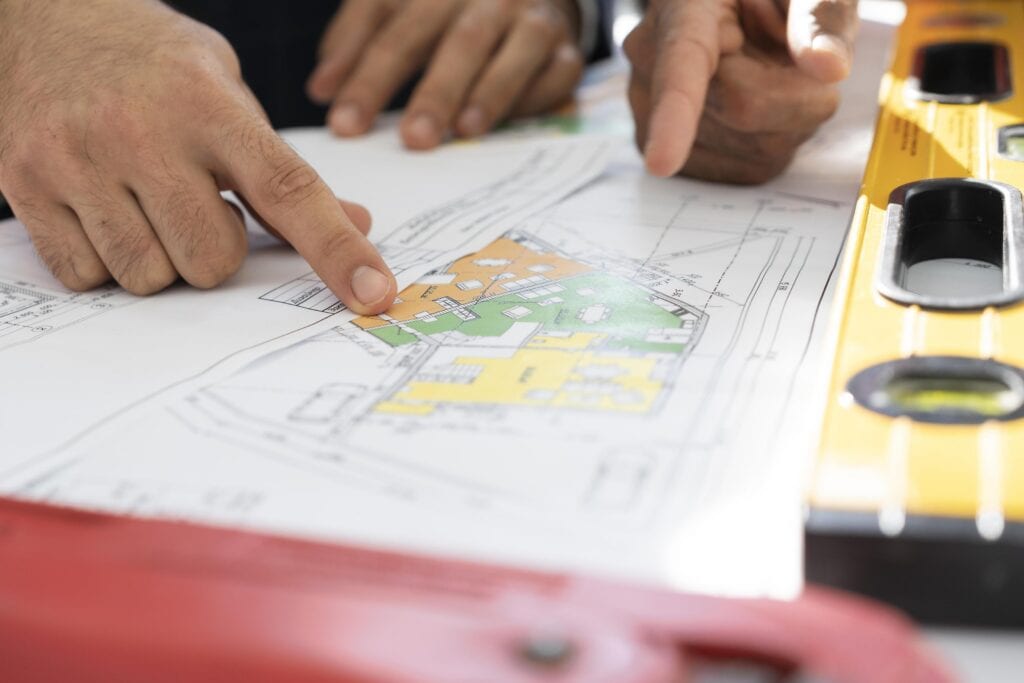
QA documentation is crucial not only for compliance but also for protecting the EPC contractor when warranty disputes or performance questions arise later in the project’s lifecycle.
Daily Checks, Acceptance Criteria, and Simple Field Forms
Every day on site, capture: total piles driven; rejected piles and reasons; measured deviations from layout and plumb; corrective actions; and ground conditions that differ from the geotechnical report.
Regular inspections during installation allow corrections while the machine is still on site, which is far cheaper than post-completion remediation. This is a crucial step for solar farm projects involving project finance.
Using Machine and GPS Data to Strengthen QA Records
Modern pile drivers output data, such as pile counts, driving cycles, depth readings, and GPS coordinates, which can be exported and attached to QA forms each shift.
Linking GPS coordinates to pile IDs in a spreadsheet enables the EPC and owner to verify that the foundation design was implemented as specified, identify systematic deviations early, and produce traceable construction records that lenders increasingly require.
Avoiding Common Challenges in Scale Solar Farm Piling
Solar farm projects involve a wide range of environmental factors, soil composition variations, and site-specific constraints that can turn routine pile driving into a costly problem if crews are not prepared.
The key is anticipating these scenarios during planning and equipping operators with the tools, knowledge, and decision-making authority to adapt without shutting down production.
Overestimating Small Machines or Using Them on the Wrong Solar Farm Projects
Compact solar pile drivers deliver outstanding efficiency on small- and mid-scale solar farm projects with 3–6 m piles. They navigate access roads in remote areas, reduce mobilization costs, and handle a wide range of ground conditions.
When specific project needs exceed the compact machine’s range, the correct action is to specify a heavy rotary rig from the outset. Matching the machine to the project is the most fundamental of all solar farm piling best practices.
FAQs – Solar Farm Foundation
What are the most important tolerances to control in solar farm piling?
The three critical tolerances are pile position (typically ±25–50 mm from layout), plumbness (within 1–2° of vertical), and embedment depth (within the specified range for load bearing capacity). Position and plumb errors accumulate across a row and directly affect proper alignment of solar panels on tracking systems, reducing solar irradiance capture and long-term energy production.
How many piles per day can a modern solar pile driver realistically install?
Under good conditions — consistent soil composition, pre-staged materials, and a well-sequenced crew — a compact solar pile driver can realistically install 200–400 piles per day. Output drops when materials are not staged or ground conditions vary.
When should a solar project consider screw piles instead of driven piles?
Screw piles suit sites where pile driving is impractical — very loose soils, vibration restrictions, or photovoltaic installations where minimizing environmental impact is a design requirement. They can also benefit certain remote areas where impact equipment is difficult to mobilize.
Turning Solar Farm Piling Best Practices Into Predictable Solar Output
Every decision made when installing piles, from soil composition review to the final QA form, has a direct impact on the long-term performance of the solar power plant.
For small- and mid-scale solar farm projects, EVERSTAR’s compact pile driver technology combines the productivity and precision needed to implement these practices efficiently. Matching the right machine, accessories, and workflow to each site’s specific needs is how disciplined solar farm piling becomes reliable solar energy for the life of the system.
Get an EVERSTAR Piling Playbook for Your Next Solar Farm
Explore EVERSTAR’s solar pile driver models and accessories, and ask about operator training designed to put these best practices to work from day one on your next solar farm project.
Share your project details, MW size, soil conditions, and target pile length, contact EVERSTAR’s team.

