
Discover essential maintenance tips for your solar hydraulic pile driver. Learn how daily checks, fluid care, and smart upkeep can prevent downtime and double equipment lifespan.
Key Takeaways
- Understanding the importance of the hydraulic system helps remind operators to pay close attention to its daily operating condition.
- The manufacturer’s proper guidance on the hydraulic system can help customers operate the machine safely and efficiently, extend its service life, and complete piling tasks on schedule.
Solar Pile Driving Equipment
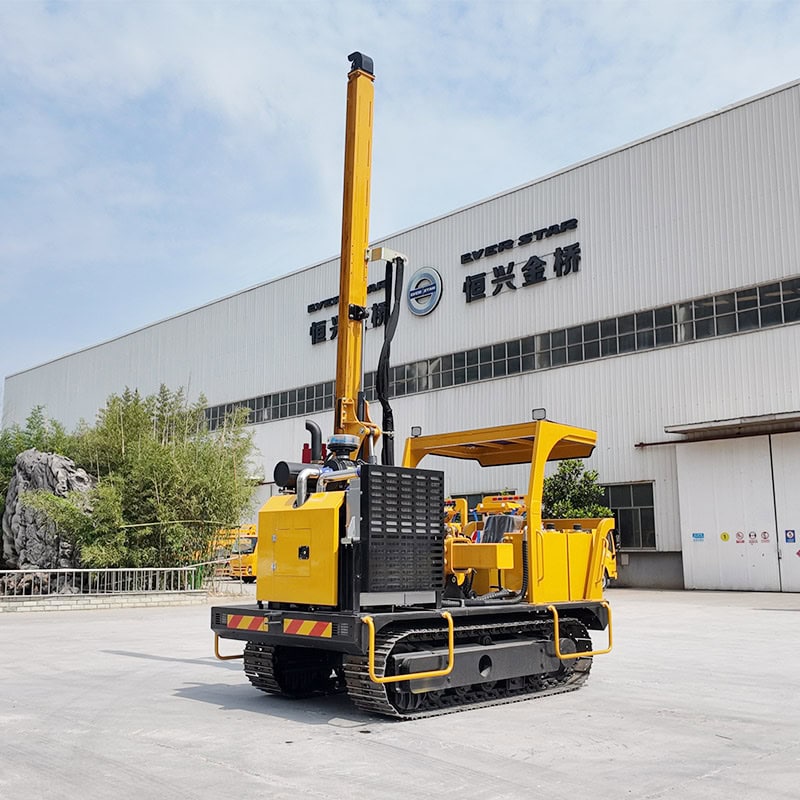
In the rapidly growing solar industry, pile driving equipment plays a vital role in constructing durable pile foundations for large-scale projects. Modern solar pile driving relies heavily on high-precision pile drivers and vibratory hammers to drive steel piles, piles, and foundation posts into various soil conditions with high efficiency and precision. However, operating under heavy weight and high pressure can subject hydraulic systems to immense wear. Neglecting proper installation checks and routine driving maintenance can lead to costly repairs and premature system failure. To ensure long-term durability, overall stability, and project success, maintaining hydraulic cleanliness and fluid integrity is typically the most critical factor.
Why Is Hydraulic System Maintenance Important?
Powerful Output and Efficient Impact Performance
The hydraulic system generates extremely high system pressure, providing substantial downward force and impact energy to the hammer or vibratory box. Whether working in hard soil, weathered rock, or deep foundation layers, hydraulic drive systems can deliver stable, high-frequency impacts, significantly improving penetration efficiency and accelerating construction progress.
Variable Speed Control and Precise Operation
Through hydraulic valve assemblies and electro-hydraulic proportional control technology, operators can continuously adjust the pile driver’s hammer frequency, impact energy, lifting speed, and downward feed speed. This enables the equipment to adjust operating parameters in real time according to different geological conditions, such as sand, clay, and rock, as well as different pile types, including PHC pipe piles, H-beam piles, and timber piles. This helps prevent excessive impact that could damage the piles while also avoiding insufficient driving power.
Smooth Operation and Enhanced Safety
Hydraulic transmission provides effective lubrication and overload protection. When the equipment encounters a hard obstacle or exceeds its rated load, the relief valve automatically releases excess pressure to protect the hydraulic system and prevent component damage.
In addition, hydraulic fluid has inherent vibration-damping properties, which can significantly reduce mechanical shock and severe vibration during piling operations. This helps minimize structural stress and extend the service life of the machine’s major structural components.
Highly Integrated Multifunctionality and Automated Operation
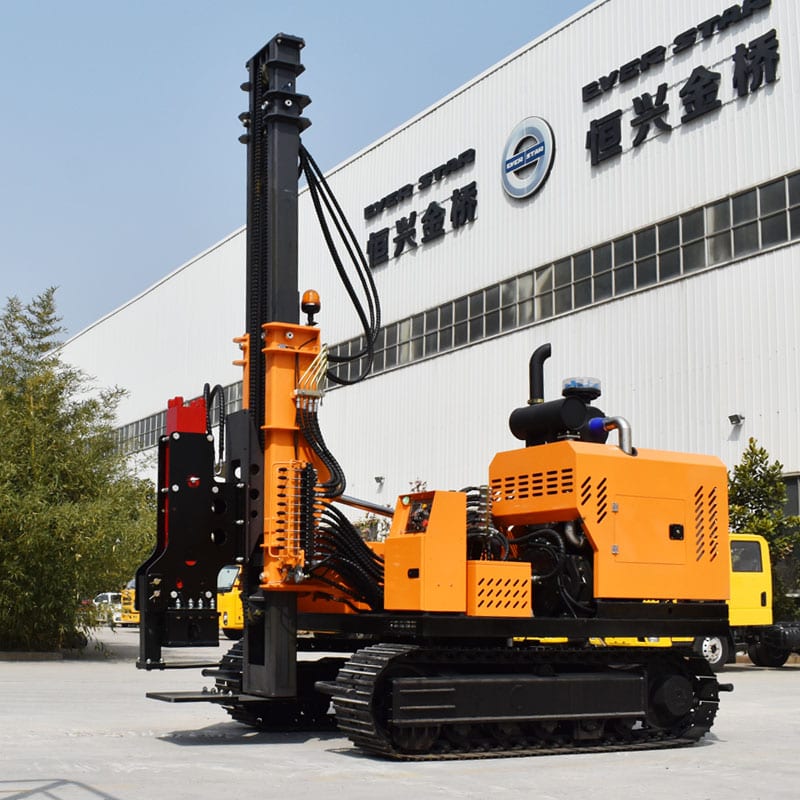
Modern pile drivers use hydraulic systems to centrally power and control pile frame adjustment, mast tilting (forward, backward, and lateral), pile clamping, winch lifting, travel, and steering. This significantly reduces operator workload while enabling fine alignment adjustments and automated operation, thereby improving pile installation accuracy and maintaining precise verticality.
Optimized Energy Efficiency and Response Speed
Combined with a load-sensing variable displacement pump (LSS) system, the hydraulic system can provide oil flow on demand, automatically adjusting output flow and pressure according to the actual load. This reduces unnecessary power losses and heat generation within the hydraulic system, thereby significantly lowering fuel consumption and operating costs.
How to Maintain the Hydraulic System?
Step 1: Shut Down the Machine and Release Hydraulic Pressure Before Maintenance
- Stop the pile driver and shut down the engine.
- Confirm that the entire machine has come to a complete stop.
- Before performing any hydraulic system maintenance, release the pressure in the hydraulic system and hydraulic oil tank.
- When loosening the hydraulic oil tank filler cap, do so slowly to allow the internal pressure to dissipate gradually.
- When hydraulic lines are still pressurized, never use your bare hands to locate hydraulic oil leaks. Use a thin metal sheet, cardboard, or other suitable tool for inspection.
Important Safety Warning: High-pressure hydraulic oil can penetrate the skin and cause serious injury. Always avoid direct contact with pressurized hydraulic lines when checking for leaks.
Step 2: Check the Hydraulic Oil Level
Maintenance Frequency: Every 10 Operating Hours / Daily
Follow these steps:
- Park the pile driver on level ground.
- Check the hydraulic oil level through the hydraulic oil tank sight gauge.
- If the oil level is below the red line on the gauge, add hydraulic oil.
- Fill the tank to the specified oil level.
- Do not overfill the hydraulic oil tank.
The R6 User Manual also specifies the recommended hydraulic oil for different ambient temperature ranges:
- -10°C to +40°C: Rando HD46
- -30°C to +40°C: Rando HDZ46
The hydraulic oil tank has a capacity of 146 L, with the recommended oil level at approximately 2/3 of the sight glass.
Step 3: Inspect and Maintain Hydraulic Hoses and Fittings
Check the following:
- Inspect hydraulic hoses for oil leaks.
- Check for localized bulging or swelling.
- Look for cracks, cuts, abrasion, or excessive wear.
- Check for any deformation.
- Inspect for delamination or blistering.
- Check whether hose fittings are loose.
- Inspect fittings for corrosion or damage.
- Verify that the hoses and fittings are installed correctly.
If any of these serious defects are found, replace the affected components immediately rather than continuing to use them.
Step 4: Inspect the Hydraulic Cylinders
Inspection Frequency: Daily / Every 10 Operating Hours
Focus on the following:
- Check the hydraulic cylinders for oil leakage.
- Inspect the piston rod surface for any abnormal wear, damage, or other defects.
- Check whether the seals are damaged or worn.
- Verify that the hydraulic cylinder mounting and connection points are in proper condition.
- Lubricate the hydraulic cylinder pin holes at the specified maintenance intervals.
Step 5: Replace the Hydraulic Filter Elements Regularly
Regular replacement of the hydraulic filter elements is essential for keeping the hydraulic system clean.
Hydraulic Return Filter Element
- First 100 operating hours: Replace the filter element.
- Thereafter: Inspect, clean, or replace every 500 operating hours or 1 month.
Hydraulic Suction Filter Element
- First 100 operating hours: Replace the filter element.
- Thereafter: Inspect, clean, or replace every 2,000 operating hours or 6 months.
If a filter element is damaged or heavily contaminated and cannot be adequately cleaned, replace it immediately.
Step 6: Clean or Replace the Hydraulic Oil Regularly
Clean or replace the hydraulic oil every 2,000 operating hours or once a year.
Basic procedure:
- Shut down the machine and release the hydraulic system pressure.
- Locate the drain port at the bottom of the hydraulic oil tank.
- Remove the drain plug.
- Drain the used hydraulic oil completely.
- After draining, reinstall the drain plug and properly seal the hydraulic oil circuit.
- Inspect the condition of the hydraulic filter elements.
- If the return filter element or suction filter element is damaged, heavily contaminated, or cannot be adequately cleaned, replace it immediately.
- During replacement and reassembly, take care not to damage the O-rings.
Protecting Hydraulic Components Against Environmental Challenges
Different soil types and unpredictable weather present unique challenges during vibratory driving operations. Whether you are working with soft ground or dense earth suitable for concrete, wood, or heavy-duty sheet piles, dust and abrasive particles can easily enter hydraulic fluid. Specialized innovations in technology have led to machines equipped with advanced filtration to protect the hydraulic hammer and motor. Proper fluid monitoring prevents contamination when attempting to drive or extract piles at varying depth requirements. By adhering to industry standards, contractors can significantly lower maintenance cost while optimizing overall operational energy and performance.
Maximizing Equipment Lifespan and Service Efficiency
Investing time in routine hydraulic maintenance offers major advantages across all modern construction applications—from buildings and bridges to remote solar farms serving the community. Hydraulic power unit maintenance applies whether you use a dedicated rig or an excavator attachment commonly developed for versatile services. Ensuring hydraulic pressure matches site-specific needs guarantees efficient performance, provides reliable structural support, and extends the overall life of your equipment and materials. By using proper methods to safeguard hydraulic components, solar installers can prevent unexpected downtime and maximize their operational return on investment.
FAQs
How often should I inspect and change the hydraulic oil in a solar pile driver?
Routine visual inspections of the hydraulic fluid level and clarity should be conducted daily before operation. Complete hydraulic oil and filter replacements are typically recommended every 500 to 1,000 operating hours (or annually), depending on manufacturer specifications and operational conditions like extreme temperatures or heavy dust.
What daily maintenance steps are critical to prevent premature wear on a solar hydraulic pile driver?
- Greasing Moving Parts: Apply grease to the mast tracks, bushings, and hammer wear plates to reduce friction.
- Checking Hydraulic Components: Inspect hoses, fittings, and pumps for leaks, cracks, or loose connections.
- Cleaning Dust & Debris: Clear buildup around the cooling radiator, engine air filter, and hydraulic breathers to prevent overheating.
- Fastener Check: Tighten any loose bolts caused by continuous vibration during pile driving.
Contact EVERSTAR for solar pile drivers
Have questions about our solar pile drivers or need technical support? Our expert team is here to help you select the right machinery and keep your job site running smoothly.

