
Learn how to identify hydraulic pile driver impact hammer failure, understand common causes, troubleshoot hydraulic issues, and prevent costly downtime.
Key Takeaways
- Modern solar pile drivers are specifically designed to operate efficiently on complex slopes and uneven terrain.
- During construction, equipment stability and precision must be maintained to handle high-density soil conditions and safely install heavy piles.
- Using durable tools such as hydraulic hammers or air hammers can significantly improve construction efficiency and daily productivity.
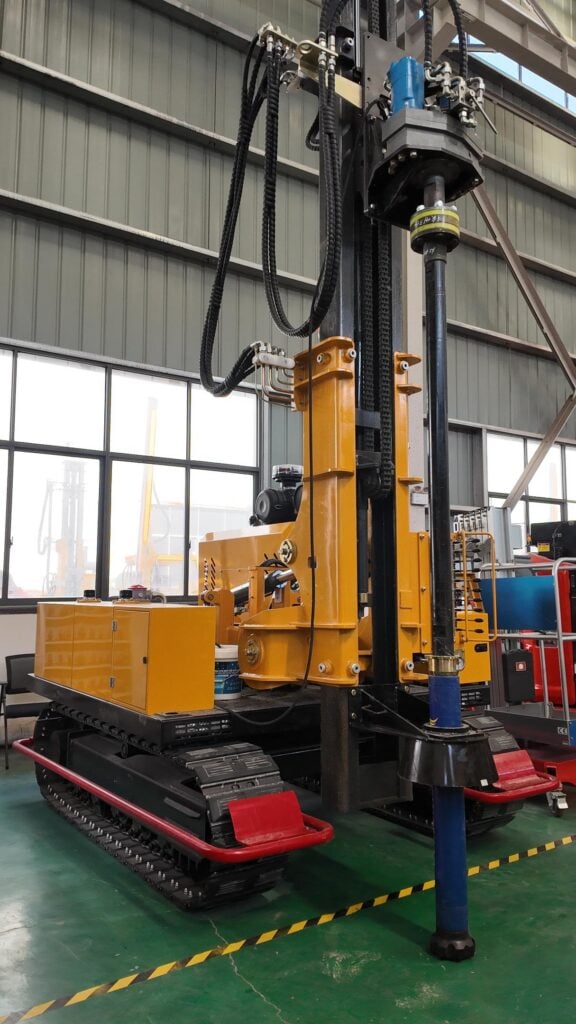
When executing a complex geotechnical task, contractors rely heavily on a robust pile driving machine and specialized equipment to drive piles into dense clay, stubborn rock, and shifting soil. Whether dealing with wooden structures or heavy steel elements, every single pile head experiences immense stress.
Operating a heavy-duty hydraulic pile driver requires profound expertise and precision from skilled professionals. Unlike traditional diesel and air hammers or older air hammers and diesel hammers, advanced hydraulic impact hammers and versatile hydraulic hammers deliver optimal energy and speed to ensure project success.
Common Symptoms of Hydraulic Pile Driver Impact Hammer Failure
Recognizing abnormal operating conditions early helps operators avoid unnecessary equipment damage.
1. The Impact Hammer Does Not Work
One of the most obvious warning signs is an impact hammer that fails to operate after the machine starts. Before assuming that the hammer has an internal mechanical fault, check whether the hydraulic inlet and outlet ports are connected correctly.
According to the HX-R6 manual, incorrect hydraulic connections can prevent the hammer from working properly. The hammer should also remain vertical rather than operating at an angle.
Recommended action: Stop operation, verify the hydraulic connections against the manufacturer’s instructions, and inspect the system for visible damage. Do not continue operating if the cause remains unclear.
2. Abnormal Impact or Unstable Operation
Irregular impacts or abnormal operating behavior may indicate a problem with hydraulic pressure, valve operation, internal clearances, or oil supply.
The manual identifies several possible causes of impact-related abnormalities, including incorrect throttle settings, excessive working pressure, faulty valves, improper back pressure, worn buffer components, and air entering the hydraulic system.
Recommended action: Inspect the hydraulic system systematically instead of adjusting multiple components at once. Confirm the specified operating pressure and settings before making adjustments.
3. Hydraulic Pressure Is Too Low or Unstable
Insufficient hydraulic pressure can affect equipment performance and may prevent the impact mechanism from operating as intended.
Potential causes include low hydraulic oil levels, pump wear, air leaks in the suction line, leaking pressure lines, a faulty relief valve, blocked damping holes, or excessive internal leakage.
Recommended action: Check the oil level, inspect hoses and fittings, and investigate pressure-control components. Use appropriate diagnostic instruments to verify pressure against the manufacturer’s specifications.
4. Abnormal Noise, Vibration, or Oil Leakage
Unusual noise and vibration may indicate insufficient pump suction, air entering the system, clogged filters, incorrect oil viscosity, shaft misalignment, or valve problems. Oil leakage may result from damaged seals, loose fittings, worn components, or excessive pressure.
These symptoms do not automatically confirm an impact hammer failure, but they indicate that the hydraulic system requires inspection.
Main Causes of Hydraulic Pile Driver Impact Hammer Failure
1. Incorrect Hydraulic Connections or Operating Conditions
Hydraulic connections must follow the equipment manufacturer’s requirements. Incorrect inlet and outlet connections may prevent the hammer from functioning correctly.
Operating the hammer at an angle or using two impact/rotation controls simultaneously, where the manual prohibits this, can also create operating problems or damage the impact device.
Solution: Confirm the hydraulic port connections, maintain the correct hammer position, and follow the specified control procedure.
2. Hydraulic Pressure and Valve Problems
The hydraulic system depends on correct pressure regulation and smooth valve operation. Excessive working pressure, an incorrectly adjusted throttle, a faulty relief valve, a sticking spool, or improper back pressure may contribute to abnormal impact behavior.
Solution: Check the pressure-control system and valve operation. Adjust settings only according to the manufacturer’s specifications. Repair or replace defective valve components when necessary.
3. Worn Buffer Components or Excessive Clearance
The HX-R6 manual identifies buffer plunger problems as possible causes of impact abnormalities. An incorrectly sized plunger or excessive clearance caused by severe wear may affect the hydraulic mechanism’s performance.
Solution: Inspect the relevant components for wear and incorrect clearances. Repair or replace the buffer plunger or associated piston components as required by the manufacturer’s repair specifications.
4. Air Leaks and Hydraulic Oil Problems
Air entering the hydraulic pump’s suction line can interfere with hydraulic operation. Oil with an unsuitable viscosity may also affect system performance. In addition, clogged filters and inadequate oil supply can contribute to hydraulic problems.
Solution: Inspect suction-line seals and connections, maintain the correct oil level, check filter condition, and use hydraulic oil with the viscosity specified for the machine. Investigate overheating if oil temperature rises abnormally.
However, mechanical failures can sometimes happen during intensive pile driving operations. If a machine operates at a slow pace or experiences a drop in power, it may affect concrete piles, pipe piles, and steel piles alike. Issues often stem from improper ram weight or an incorrect overall weight distribution, incorrect pile length, or excessive mass against the ground.
While alternative machinery like vibratory pile drivers and vibratory hammers utilize different mechanical principles—sometimes augmented by solar power or auxiliary diesel generators—hydraulic units depend on consistent fluid dynamics. When a hammer fails to lift properly or struggles to push through a dense soil layer, it jeopardizes the entire foundation.
Step-by-Step Troubleshooting for an Impact Hammer
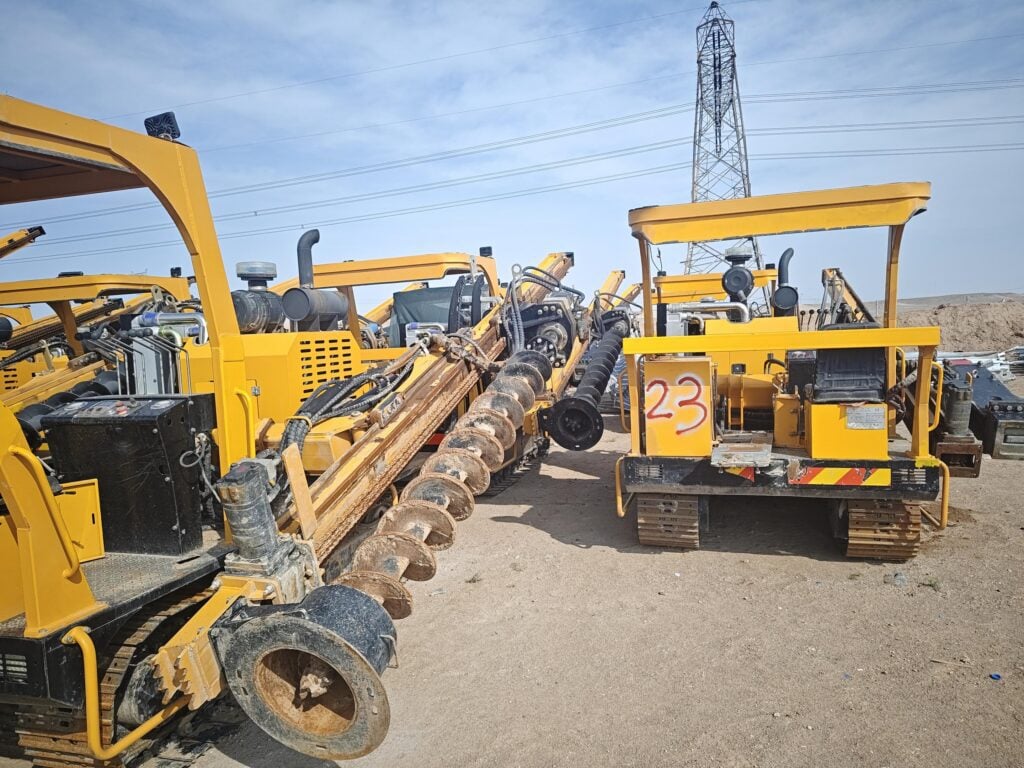
A structured troubleshooting process helps technicians identify the source of a problem without making unnecessary adjustments.
Step 1: Stop the Machine and Check for Safety Risks
Stop operation immediately if the hammer produces abnormal noise, significant vibration, or visible hydraulic leakage. Shut down the engine, remove the key, and release hydraulic pressure before servicing hydraulic components.
Never use your hand to search for a high-pressure hydraulic leak. A pressurized oil jet can penetrate the skin and cause serious injury.
Step 2: Inspect Hydraulic Connections and Oil Levels
Check that the hammer’s hydraulic inlet and outlet are connected correctly. Inspect the hoses, fittings, and suction lines for visible damage or leakage. Verify the hydraulic oil level according to the manual.
If the pump may be drawing in air, inspect the suction-line connections and seals before continuing.
Step 3: Check Pressure and Control Components
If the connections and oil supply appear normal, qualified technicians should check system pressure and investigate the relief valve, directional valve, throttle settings, and back-pressure conditions.
Compare measured values with the manufacturer’s specifications. Do not increase pressure simply to force the hammer to operate.
Step 4: Inspect Worn Components and Internal Leakage
If external checks do not identify the problem, inspect the relevant buffer components, seals, valves, and hydraulic cylinder components according to the service procedure.
Replace damaged seals and worn components with suitable parts. Because the manual does not provide a dedicated internal impact-hammer diagnostic procedure for every failure, consult the hammer-specific service documentation when necessary.
Step 5: Test the Equipment Before Returning to Work
After repairs, verify that all connections are secure and that the hydraulic system has been serviced correctly. Test the machine under the manufacturer’s prescribed conditions and confirm that abnormal symptoms have been resolved.
If the problem persists, stop testing and arrange further inspection by a qualified technician.
How to Prevent Hydraulic Impact Hammer Failure
Diagnosing these issues demands top-tier maintenance services and dependable machines. A malfunctioning pile driver can compromise the alignment of individual piles, damaging the pipe or head components. For example, an unbalanced impact force can fracture a concrete or wood support member, altering the physical matter and structural quality.
EVERSTAR emphasize that a cohesive engineering team must regularly inspect every component—from the primary hammer unit to auxiliary gear—to safeguard future construction endeavors. By addressing symptoms early and applying targeted solutions, operators can maintain high operational standards.
Preventive maintenance helps reduce avoidable downtime and supports reliable piling operations.
- Lubricate regularly: The HX-R6 manual instructs operators to grease the designated hammer fitting weekly.
- Inspect hoses and fittings: Check hydraulic lines, joints, and seals for damage or leakage.
- Maintain clean hydraulic oil: Follow the specified oil requirements and maintenance schedule.
- Replace filters on schedule: The manual specifies replacing the return filter initially after 100 operating hours and then every 500 hours or monthly. The suction filter is initially replaced after 100 hours and subsequently every 2,000 hours or every six months. Follow the manual’s applicable service requirements.
- Monitor abnormal symptoms: Investigate unusual noise, vibration, or changes in operation instead of continuing to work.
- Follow operating instructions: Maintain the correct hammer position and use the machine controls as specified by the manufacturer.
Regular inspections and timely repairs can help identify developing problems before they cause extended equipment downtime.
FAQs
Can low hydraulic pressure affect impact hammer performance?
Yes. Low pressure caused by pump wear, oil shortage, suction-line air leaks, valve problems, or internal leakage may interfere with hydraulic operation. Check the system using appropriate instruments and the manufacturer’s pressure specifications.
Why is my hydraulic pile driver impact hammer not working?
Possible causes include incorrectly connected hydraulic inlet and outlet ports, insufficient oil supply, hydraulic pressure problems, faulty valves, or internal component wear. Begin with the basic checks specified in the machine manual before proceeding to more complex diagnostics.
Contact EVERSTAR for High Quality Pile Driving Machine
Looking for a reliable hydraulic pile driver for your project? Contact Everstar Machinery today. Our team is ready to help you find the right piling equipment for your construction needs.

