
Understanding common pile driver faults and how to address them is essential for maintaining high piling efficiency and ensuring construction projects are completed on schedule.
Key Takeaways
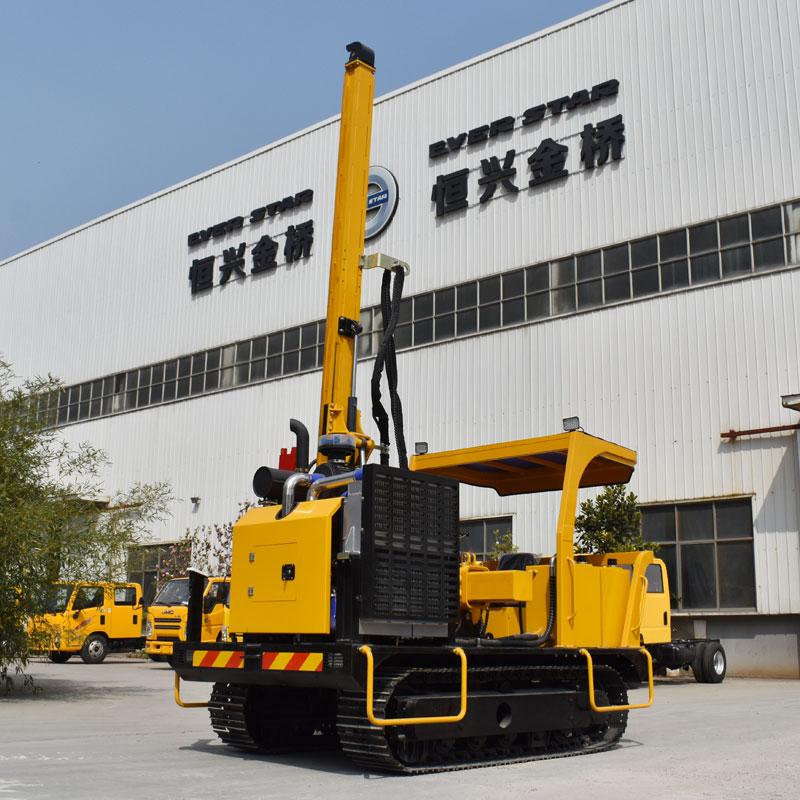
- The HX-R6 hydraulic solar pile driver relies on a high-frequency hydraulic system to deliver stable impact force, effectively preventing slow piling and reduced construction efficiency caused by insufficient impact force.
- Hydraulic failures, complex geological conditions, and positioning deviations can reduce piling performance, while modern pile drivers equipped with intelligent automation technology can make real-time adjustments to maintain construction efficiency and safety.
- A detailed analysis of six common causes of reduced pile driver impact force and their corresponding solutions can help identify and diagnose equipment faults more efficiently.
Why Impact Force Reduction Matters?
Hydraulic pile drivers rely on stable hydraulic pressure to generate impact energy. When impact force decreases, the machine may show:
- Reduced pile penetration speed
- Difficulty driving piles into hard soil layers
- Longer construction cycles
- Lower work efficiency
The HX-R6 crawler photovoltaic pile driver uses a high-frequency hydraulic impact system, where the engine drives the hydraulic pump to provide pressurized oil as the working medium, which powers the hydraulic impactor during piling operations.
What Factors Affect the Hydraulic Impact Force of a Pile Driver?
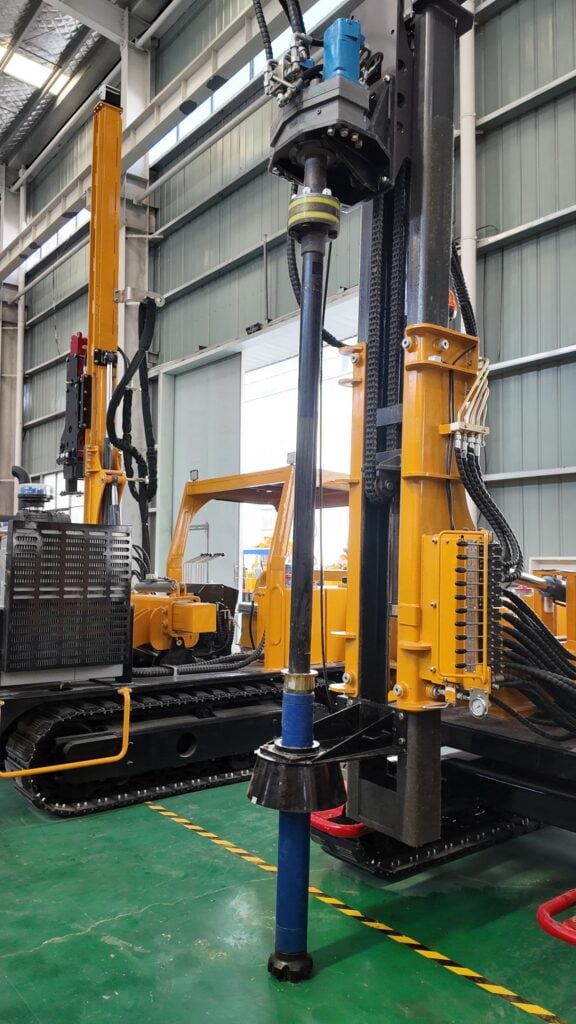
One primary cause of reduced impact performance involves issues within the hydraulic system or the mast alignment on your excavator or specialized rig. Over time, worn seals, pressure drops, or contaminated fluid impair how effectively the hydraulic hammer transfers energy to the piles. Additionally, tough ground environments—ranging from hard rock to uneven terrain—place extreme demands on the pile driver. Without proper pile positioning and tight control over the depth and alignment of each solar pile, even top-tier models will struggle to penetrate the earth efficiently. Modern pile drivers equipped with advanced automation and smart technology help operators adapt quickly to shifting ground dynamics, providing immediate feedback so your crew can maintain high quality and strict safety standards.
What Are the Main Causes of a Hydraulic Pile Driver Losing Impact Force?
Cause 1: Insufficient Hydraulic Pressure
Symptom:
- Hydraulic impact energy decreases
- Hammering force becomes weak
- Machine cannot maintain normal piling performance
The manual lists “No pressure or very low pressure” as a major hydraulic system fault. Several hydraulic failures can cause insufficient pressure output.
Cause 2: Hydraulic Pump Problems
Possible reasons:
1) Hydraulic pump component damage
Problem: Internal hydraulic pump parts are damaged
Solution: Replace damaged components
The manual identifies hydraulic pump component damage as one cause of pressure loss and recommends replacing damaged parts.
2) Hydraulic pump wear and excessive internal leakage
Problem mechanism:
After long-term operation:
- Internal clearance increases
- Leakage inside the pump becomes serious
- The pump cannot build sufficient pressure
Solution: Repair or replace worn hydraulic pump components
3) Low hydraulic oil level
Problem:
When hydraulic oil is insufficient:
- Hydraulic pump may run without enough oil supply
- Pressure generation becomes unstable
Solution: Refill hydraulic oil
4) Air entering through suction pipeline
Problem: Poor sealing of the oil suction pipeline can cause vacuum formation and unstable hydraulic operation.
Solution:
- Tighten pipe connections
- Check suction pipelines
- Improve sealing performance
Cause 3: Relief Valve Failure
The relief valve controls system pressure. Failure of this component can directly affect hydraulic impact performance.
Common relief valve problems:
1) Spring deformation or breakage
Effect:
- Pressure regulation becomes abnormal
- System cannot maintain required pressure
Solution: Replace the spring
2) Spool stuck in open position
Effect:
- Hydraulic oil returns directly
- Pressure cannot build up
Solution:
- Repair the slide valve
- Ensure smooth spool movement
3) Valve seat sealing failure
Problem: The cone valve or steel ball does not fit tightly with the valve seat.
Solution:
- Replace cone valve or steel ball
- Match and repair valve seat
4) Blocked damping hole
Problem: Contamination blocks the damping hole, affecting pressure control.
Solution: Clean the damping hole
Cause 4: Hydraulic Cylinder Internal Leakage
Problem: The hydraulic cylinder’s high-pressure and low-pressure chambers become connected internally.
Possible causes:
- Damaged piston seals
- Internal oil leakage
Solution:
- Repair piston
- Replace seals
Cause 5: System Leakage
Problem: Hydraulic leakage reduces effective working pressure and decreases impact force.
Possible reasons:
- Damaged seals
- Loose hydraulic connections
- Worn components
Solution:
- Locate leakage source
- Replace seals
- Prevent further hydraulic oil loss
Cause 6: Incorrect Hydraulic Oil Condition
1) Hydraulic oil viscosity too low
Effect: Low viscosity increases internal leakage and reduces system pressure.
Solution: Replace hydraulic oil with specified viscosity grade
2) High oil temperature
Effect: Increasing temperature reduces hydraulic oil viscosity, causing pressure loss.
Solution:
- Identify the cause of overheating
- Improve heat dissipation
Hydraulic Filter Maintenance
Return oil filter:
- Replace after first 100 working hours
- Replace every 500 working hours or monthly afterward
Suction filter:
- Replace after first 100 working hours
- Replace every 2000 working hours or six months
Hydraulic Hose Inspection
Hydraulic hoses directly affect system pressure stability.
Check for:
- Surface cracks
- Leakage
- Deformation
- Damaged joints
- Poor sealing
Damaged hoses should be replaced immediately.
How Does the Machine Perform in Solar Farm Projects?
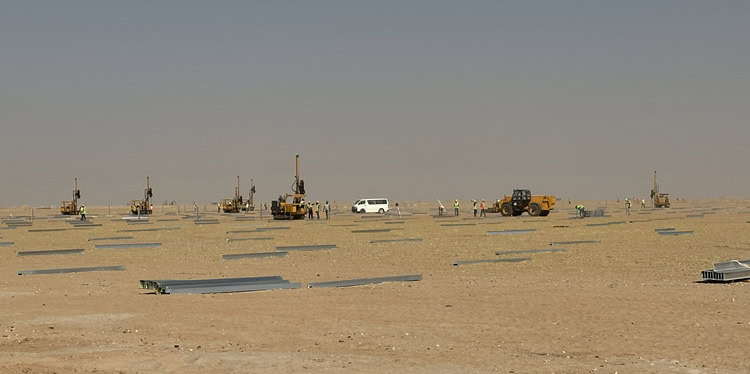
When operating a hydraulic pile driver on a job site, experiencing a sudden drop in impact force or impact energy can directly impact your project schedule and overall productivity. In high-demand applications like solar farm projects and large-scale solar pile installations, the ability to maintain high precision, correct angle, and continuous power is vital to the success of the entire team. A reduction in force from your hydraulic hammer can stem from various internal hydraulic components or challenging jobsite terrain.
To keep your operations running safely and efficiently, it is essential to systematically evaluate your equipment, machine settings, and current soil conditions before downtime escalates into a major cost concern.
Addressing lost impact energy effectively requires targeted maintenance and modern engineering solutions tailored to the modern solar industry. Upgrading to advanced solar pile driver machinery designed specifically for solar projects allows contractors to achieve higher speed and greater installation volume than traditional methods. These modern machines provide substantial operational benefits, ensuring piles are driven accurately into any site, regardless of complex soil profiles.
By investing in high-performance equipment supported by expert sales, dedicated service, and reliable office support, companies can secure shorter lead times and maximize return on investment. Ultimately, mastering your equipment’s performance ensures your future in large installations, taking pride in delivering top-tier energy infrastructure on time and within budget.
FAQs
How can upgrading to modern solar pile driver models improve installation quality and efficiency?
Modern solar pile driver models equipped with smart automation and advanced technology offer superior precision and tight control over pile positioning, angle, and depth. Compared to traditional methods, these high-performance pile drivers help your crew maintain reliable power and continuous operations, ensuring piles are driven accurately on any site to deliver shorter lead times for large installations in the solar industry.
What are the primary causes of a hydraulic pile driver losing impact force on a solar job site?
A decrease in impact force or impact energy is typically caused by issues within the hydraulic components or hydraulic system, such as pressure drops, fluid overheating, or worn seals in the hydraulic hammer. External factors like severe soil conditions, underground rock, or uneven terrain can also place heavy demands on the machine, reducing overall speed and productivity during solar pile installations.
Contact EVERSTAR for High Quality Machines
Whether you are looking for information on our latest solar pile driver models, need technical assistance to minimize jobsite downtime, or require expert advice on challenging soil conditions, our dedicated sales and service teams are here to help.

