
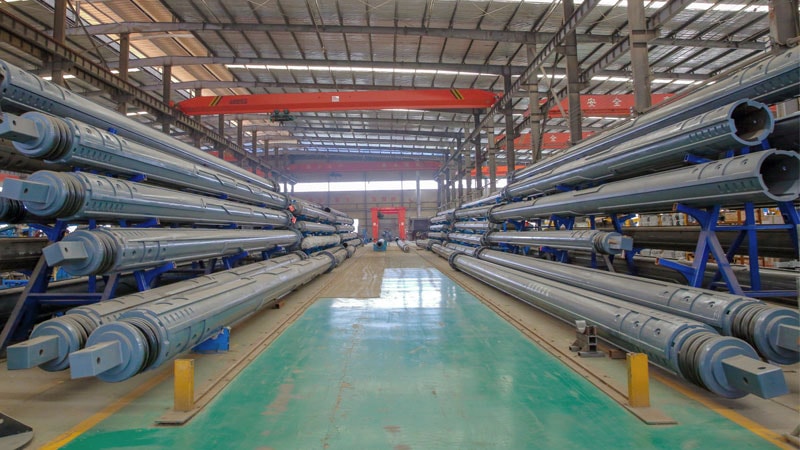
Key Takeaways
- The Kelly Bar piling system enables rotary rigs to achieve stable torque transmission and controlled drilling depth on demanding foundation projects.
- Correct selection of Kelly Bar rig configurations improves drilling efficiency, safety, and structural reliability in varied ground conditions.
- Understanding the types of Kelly Bars, section length, and torque limits is essential for deep pile installation.
- Proper integration, monitoring, and regular maintenance help reduce downtime and extend the lifespan of drilling equipment.
- EVERSTAR heavy-duty Kelly Bar solutions are engineered for high-torque rotary drilling operations on large construction sites.
Modern foundation engineering relies heavily on rotary drilling technology to achieve consistent results in challenging soil and rock environments.
Within this system, the Kelly Bar rotary drilling system plays a crucial role by transferring torque from the rotary drive of a drilling rig to the drilling toolsinstalled at the bottom of the drill string.
This article explores how Kelly Bar piling systems enable deep foundation construction through telescopic design, torque transmission, and precise rig integration.
Rather than focusing on lightweight equipment or small-scale applications, the discussion highlights heavy-duty solutions designed for large drilling projects.
EVERSTAR’s Kelly Bar designs are compatible with major rotary drilling rigs from global manufacturers, offering structural integrity and reliable performance in torque-intensive drilling operations.
Kelly Bar Basics: How Telescoping Design Powers Rotary Rigs

A Kelly Bar consists of multiple telescopic sections that extend during drilling operations to reach the target foundation depth. This telescopic structure enables hydraulic rotary drilling rigs to perform deep drilling while maintaining efficient torque transmission throughout the process.
Unlike fixed drill pipes, telescopic Kelly Bars allow operators to adapt to different drilling depths without changing the entire drill string. As the rotary drive rotates the bar, torque is transmitted through drive keys and stubs to drilling tools such as augers, core barrels, or drill bits.
This mechanism ensures consistent borehole stability during rotary drilling operations, especially on complex construction sites where varied conditions demand precision and strength.
Torque Transmission Through Keys and Drive Stubs
Effective torque transmission depends on key components such as drive keys, flanges, and drive stubs. These essential components allow the Kelly Bar to transmit torque along the inner and outer sections as the bar extends.
EVERSTAR Kelly Bar designs incorporate reinforced keys and double-collar flange structures to prevent channeling or slippage during heavy drilling operations.
This design ensures structural integrity even when drilling at great depths in hard ground or rock formations.
By maintaining stable rotary drive engagement, the Kelly Bar rig system can support demanding drilling methods and maintain precision across varied drilling conditions.
Section Count, Length, and Drilling Depth Limits
The number of bar sections directly influences drilling depth, stability, and torque capacity.
A configuration with three extended sections can provide better stability for deep foundation drilling than a bar with more, shorter sections.
For example, achieving a 36-meter borehole using a longer three-section Kelly Bar may improve drilling efficiency and reduce vibration compared with a shorter multi-section bar.
Ultimately, different drilling depths require tailored configurations to match drilling equipment capacity and project safety requirements.
Matching Kelly Bar Types to Ground and Rig Specs
Selecting the right Kelly Bar type is essential for maintaining drilling efficiency on construction projects. The main types of Kelly Bars include interlocking bars and friction Kelly Bars, each designed for specific drilling applications and soil conditions.
Interlocking vs Friction: Torque and Downforce Differences
Interlocking Kelly Bars use mechanical locking mechanisms between sections, allowing them to handle high torque loads during rotary drilling in dense soil or rock. These bars are suitable for heavy foundation construction and large drilling rigs.
In contrast, friction Kelly Bars rely primarily on their own weight to provide downforce during drilling operations. While they still transmit torque via drive keys, they are structurally simpler and often used in moderate ground conditions where high torque is not required.
Rig Integration: Installing and Monitoring Kelly Bars
Correct integration of the Kelly Bar rig assembly is critical for safe and efficient drilling operations. Installation begins with aligning the drive stub connection to the rotary table or rotary drive head.
Mounting, Alignment, and Initial Torque Checks
Operators must confirm proper key engagement and conduct baseline torque checks before starting the drilling process. Misalignment can lead to uneven load distribution, increasing the risk of flange wear or borehole instability.
Shot blasting and quenching processes applied in EVERSTAR manufacturing help improve surface strength and resistance to fatigue during continuous drilling cycles.
On-Site Monitoring: Wear, Torque Drop, and Failure Signs
Monitoring torque readings and visually inspecting the outer sections of the Kelly Bar are essential maintenance tasks.
Signs such as slipping, unusual vibration, or torque loss may indicate worn drive stubs or contamination between telescopic sections.
Regular maintenance routines, including lubrication, cleaning, and inspection of drilling tools, can extend equipment reliability and reduce downtime on critical drilling projects, especially for contractors who track performance and sustainability metrics under frameworks such as GRI.
Common Pitfalls and Fixes in Kelly Bar Rotary Drilling
Despite a robust design, improper operation can reduce the performance of a Kelly Bar piling system. Understanding common issues helps prevent delays on foundation construction sites.
Avoiding Key Breakage and Flange Damage
Key breakage often results from excessive torque, improper alignment, or sudden load changes when drilling through mixed ground layers. Reinforced key design and correct drilling method selection help mitigate these risks.
Using fewer sections when possible can also improve stability and reduce operational costs.
Troubleshooting Telescoping and Torque Loss
Binding telescopic sections may occur due to dirt accumulation or deformation from overload.
Operators should inspect the telescopic Kelly Bar structure and remove debris before continuing drilling operations.
If torque transmission issues persist, replacing worn components rather than attempting temporary repairs is recommended to maintain drilling safety and borehole precision.
FAQs – Kelly Bar Rig
How do interlocking and friction Kelly bars differ in torque handling?
Interlocking bars transmit higher torque due to their mechanical locking system between sections, making them suitable for hard ground and deep foundation drilling. Friction Kelly Bars rely on their own weight for downforce and are typically used in moderate soil conditions where drilling resistance is lower.
Can Kelly bars be customized for specific rotary rigs?
Yes. Kelly bar piling systems can be engineered with customized section lengths, torque ratings, and drive-stub dimensions to match the specifications of different rotary drilling rigs. Providing details about soil conditions, target depth, and drilling tools helps manufacturers design suitable solutions.
Unlocking Deep Foundation Success With the Right Kelly Bar
Selecting the correct Kelly bar piling system configuration is fundamental for efficient deep foundation construction. Proper matching of bar type, section count, and torque capacity allows rotary drilling rigs to operate safely and achieve target depth under varied drilling conditions.
High-quality materials, reinforced structural design, and disciplined maintenance practices ensure long-term reliability in demanding drilling operations.
EVERSTAR’s heavy-duty kelly bar solutions are engineered specifically for torque-intensive piling projects, helping contractors optimize drilling performance while maintaining borehole stability.
Get Custom Kelly Bar Specs From EVERSTAR for Your Rotary Rig

Foundation contractors planning new drilling projects should consult EVERSTAR specialists to define the best kelly bar rig setup.
Sharing details such as machine model, drilling depth targets, soil or rock characteristics, and drilling tools allows engineers to recommend suitable interlocking or friction kelly bar solutions.
With expert guidance and tailored specifications, operators can maximize torque transfer, improve drilling efficiency, and ensure safe performance on their next foundation construction project.

