
Learn how to check hydraulic oil on a pile driver, identify the correct oil level, choose suitable hydraulic oil, and maintain your hydraulic system for reliable performance.
Key Takeaways
- Regular maintenance and inspection of the hydraulic system are essential for ensuring the efficient operation of photovoltaic pile drivers, preventing component wear, and extending equipment service life.
- To check the hydraulic oil in a photovoltaic pile driver, park the machine on level ground and release system pressure before inspecting the oil level, oil condition, and potential leaks to ensure safe and efficient operation.
- EVERSTAR is a direct pile driver manufacturer that provides after-sales service. You can learn how to operate the machine in detail by referring to the user manual. If any issues arise, you can contact our after-sales service team directly for assistance.
Why Hydraulic Oil Maintenance is Critical for Pile Drivers?
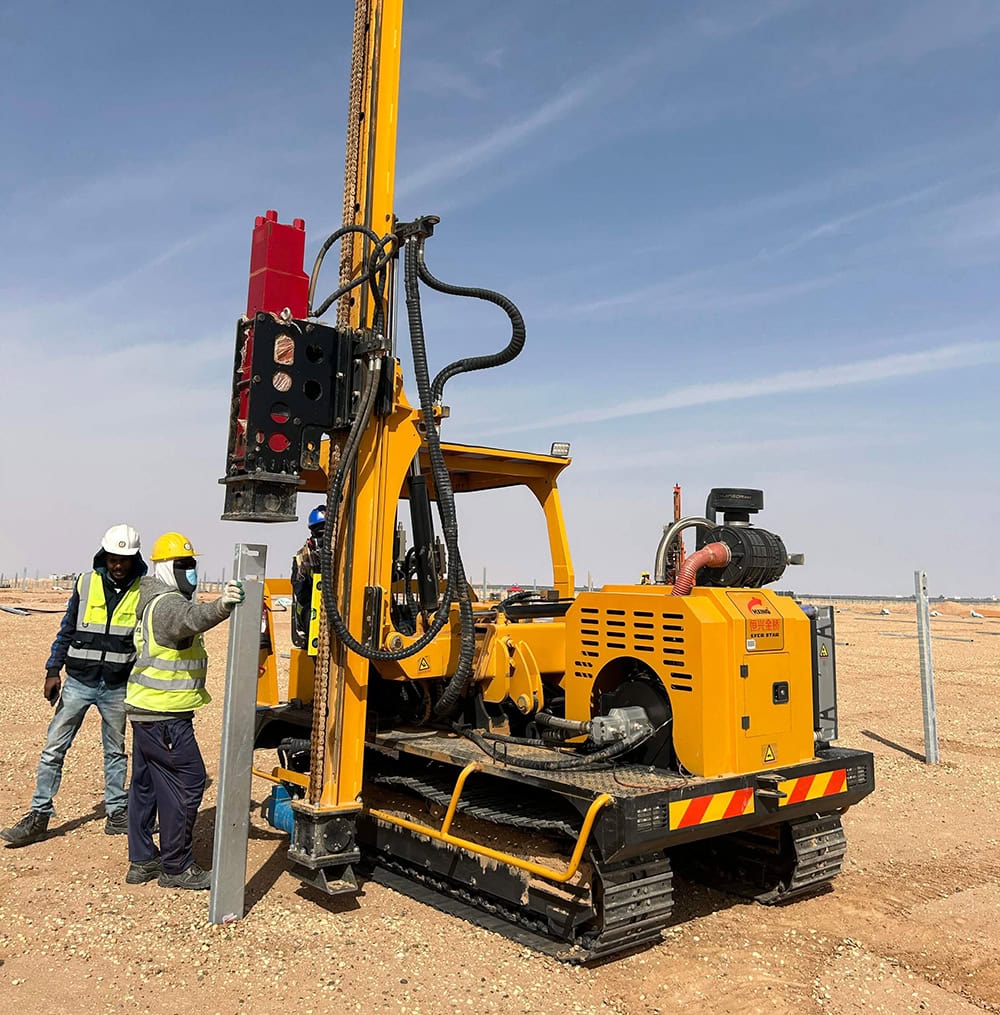
Proper maintenance of your pile driver and pile driving equipment is essential to ensure peak efficiency, performance, and machine longevity on any job site. The hydraulic system powers key components—including hydraulic hammers, winches, and valves—that allow the operator to drive piles and sheet piles to their required depths. Checking hydraulic oil levels regularly helps protect critical elements of the driving equipment from premature wear caused by heavy vibration, heat, and intense load conditions during pile driving operations.
Step-by-Step: How to Check Hydraulic Oil on a Pile Driver
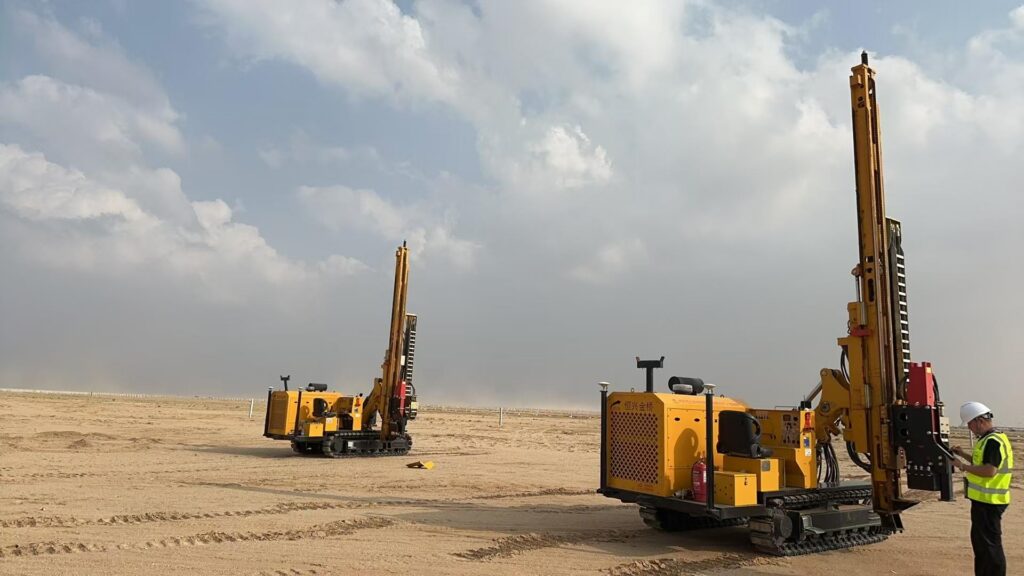
Before checking the hydraulic fluid, position the equipment on level ground and ensure the pile hammer or attachment is safely lowered.
Safety First: Shut off the engine and allow the system pressure to drop to prevent injuries.
Inspect the Sight Glass & Dipstick: Locate the sight gauge on the hydraulic reservoir. The fluid level should fall within the designated operational range.
Check Oil Condition: Inspect the fluid color and clarity. Dark, burnt, or milky fluid indicates contamination or breakdown, signaling that immediate service and maintenance are required.
Inspect Valves & attachments: Check surrounding valves, lines, and pile driving attachments for any visible fluid leaks or pressure drops that could affect overall performance.
Step 1: Park the Pile Driver on Level Ground
Move the pile driver to a flat, level surface before checking the hydraulic oil level. This helps ensure that the oil level reading is consistent and reliable.
Park the machine securely and follow the manufacturer’s shutdown procedure. Before performing maintenance, turn off the engine, remove the key, and disconnect the power supply as required by the equipment manual.
Step 2: Locate the Hydraulic Oil Level Gauge
Find the hydraulic oil tank and inspect its level gauge or sight window. The gauge allows you to determine whether the hydraulic oil level is within the recommended range.
Before proceeding, check the surrounding area for visible oil leaks, damaged hoses, or loose hydraulic connections.
Step 3: Check the Hydraulic Oil Level
Observe the oil level through the gauge. According to the R6 pile driver manual, the hydraulic oil level should be checked every 10 operating hours.
Pay particular attention to the red line on the level gauge. If the oil level is below this line, additional hydraulic oil is required. Always follow the markings on the specific machine rather than estimating the level from the tank’s external appearance.
Step 4: Add Hydraulic Oil if Necessary
If the oil level is below the specified red line, add the recommended hydraulic oil until the level reaches the red line.
Do not fill the tank beyond the maximum marking on the gauge. Overfilling may create additional maintenance issues and should be avoided.
When adding oil, use the correct oil specification for the machine. The R6 manual also requires hydraulic oil to be filtered before it is introduced into the tank. Keep the filling area clean to reduce the risk of contamination.
Step 5: Inspect for Leaks and Abnormal Conditions
After checking the oil level, inspect accessible hydraulic hoses, fittings, and cylinders for signs of leakage or damage.
If the machine shows abnormal movement, unusual hydraulic noise, or low pressure, do not assume that low oil is the only possible cause. Blocked filters, air entering the hydraulic lines, and other hydraulic system problems may also require investigation.
Follow the manufacturer’s maintenance procedures or consult a qualified technician if the problem persists.
Key Factors: Pile Driving Attachments & hydraulic hammers
Several operational factors determine the rate at which hydraulic fluid degrades and the overall power requirements of your hammer:
- Soil Conditions & Blow Count: Challenging soil conditions demand a higher blow count and increased energy output from the pile driver, raising system operating temperatures.
- Hammer Weight & Energy Transfer: The weight of the hammer directly influences how much load is developed and transferred into the foundation or support structures.
- Impact of Vibration: Continuous heavy vibration during driving can loosen members, seals, and contact points, increasing the risk of fluid leaks.
By performing regular service and monitoring hydraulic fluid levels, contractors can protect their investment, maintain high efficiency, and ensure successful installation across all foundation projects.
Which Hydraulic Oil Should You Use for a Pile Driver?
The correct hydraulic oil depends on the operating temperature and the machine’s specifications.
The R6 pile driver manual lists the following recommendations:
| Operating temperature | Recommended hydraulic oil | Reference quantity |
|---|---|---|
| -10°C to +40°C | Rando HD46 anti-wear hydraulic oil | Approximately 150 L |
| -30°C to +40°C | Rando HDZ46 anti-wear hydraulic oil | Approximately 130 L |
These quantities are reference figures from the manual, not the amount required for routine top-ups. Always confirm the applicable specification for your machine and operating conditions before adding or replacing oil.
Using the recommended hydraulic oil helps maintain the intended performance of the hydraulic system.
How Often Should You Check and Replace Hydraulic Oil?
Checking the oil level and replacing hydraulic oil are different maintenance tasks.
For the R6 pile driver, the manual specifies the following maintenance intervals:
- Hydraulic oil level: Check every 10 operating hours.
- Hydraulic oil return filter element: Replace after the first 100 operating hours, then every 500 hours or monthly, according to the manual.
- Hydraulic oil: Clean or replace every 2,000 operating hours or annually, according to the manual.
The guide also lists a separate filter-related maintenance interval of 2,000 hours or six months, but its English wording does not clearly identify the filter consistently. Confirm this item with the manufacturer before applying it to a specific filter component.
Conclusion
In conclusion, checking hydraulic oil on a pile driver requires attention to oil level, maintenance schedules, and other factors such as operating conditions and potential leaks. For example, if the oil level drops below the recommended mark, operators should add the correct hydraulic oil and inspect the system for leaks. Keeping a record of the number of operating hours helps ensure timely oil checks and replacements, reducing downtime and extending equipment service life.
Maintenance intervals may vary between pile driver models, so always refer to the manual supplied with your equipment.
FAQs
What should I do if the hydraulic oil level is below the red line?
Add the specified hydraulic oil until the level reaches the red line. Do not exceed the maximum marking on the level gauge, and ensure the oil is filtered before adding it to the tank.
What happens if the hydraulic oil level is too low?
A low oil level may contribute to low hydraulic pressure, abnormal noise, or irregular machine movement. However, these symptoms can have other causes, so inspect the system and seek professional assistance when necessary.
Contact EVERSTATR for High Quality Machines
Looking for a reliable pile driver or professional maintenance advice? Contact our team for expert support, product information, and tailored solutions for your project. We’re here to help you find the right equipment for your needs.

