
Key Takeaways
- Daily checks on a skid steer catch fluid leaks, low oil, and loose attachments before a mid-shift failure.
- Engine oil and filter service falls every 250-500 hours; hydraulic fluid and filter every 500-1000 hours.
- Hydraulic couplers, hoses, and cylinder seals on skid steer attachments need inspection after every attachment change.
- Bucket edges, teeth, and fork tines wear faster under heavy load, so skid steer maintenance needs closer attention here.
A skid steer working a fence-line job for six straight days is exactly the kind of machine that fails at the worst moment. A slow hydraulic leak missed during startup checks turns into a stalled boom by Thursday, and the crew loses the week to a hose fitting.
Most skid steer breakdowns trace back to a missed step in the daily inspection routine, or a scheduled maintenance interval pushed back one too many times.
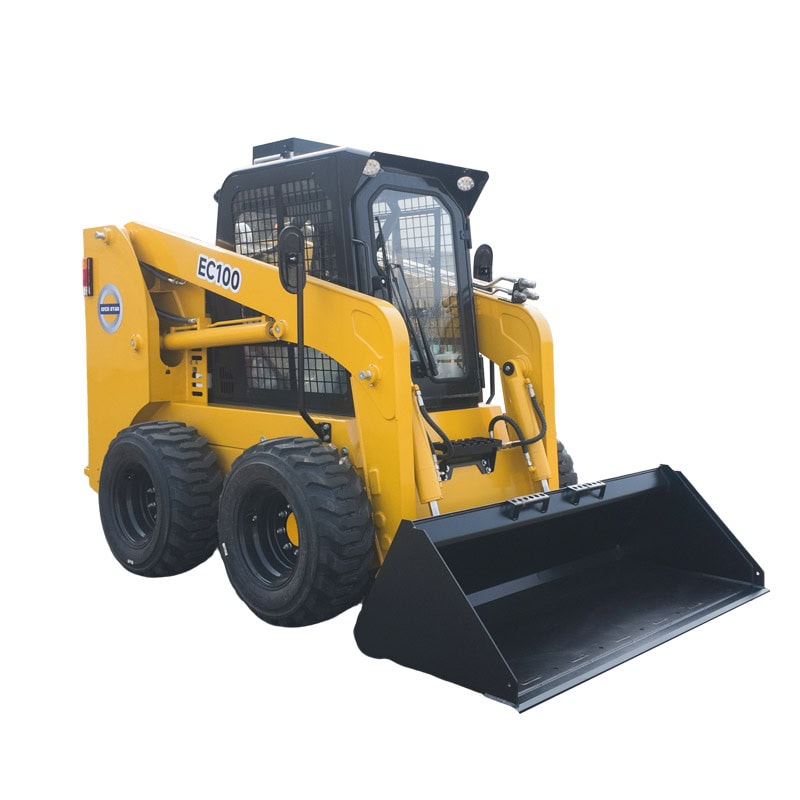
This guide covers daily pre-operation checks, scheduled service intervals, and the preventive maintenance routine that keeps skid steer attachments ready for field use, whether the job calls for a full-size skid steer, a compact track loader, or a mini skid steer on a tight-access site.
Built for machine operators, site managers, and equipment owners running EVERSTAR equipment.
Daily Pre-Operation Checks: What to Inspect Before Every Shift
Pre-operation checks catch developing faults on a skid steer before they become an operational failure or safety incident.
That means running the same checklist before every shift, regardless of how the skid steer performed the day before.
U.S. DOT regulations require commercial equipment to be inspected and confirmed safe before each period of use, and the same discipline applies on any construction site.
Engine, Fluid Levels, and Cooling System: The Starting Point for Every Shift
Before startup, check engine oil, hydraulic fluid, coolant, and fuel level. Inspect for visible leaks under the skid steer and at hydraulic hose connections, and check the air filter condition indicator.
On EVERSTAR EC50 and ETS50 models, the hydraulic oil tank is confirmed through a sight glass, so the check takes seconds.
Any fluid below minimum requires topping up before the skid steer goes to work; running low on hydraulic fluid or engine oil turns a minor issue into an expensive repair.
Boom, Bucket, and Attachment Pivot Points: Lubrication and Wear Check
Grease all boom and bucket pivot points on schedule, and check that grease fittings aren’t damaged or clogged.
Inspect the bucket teeth for wear and confirm that the attachment locking mechanism is fully engaged. Check that hydraulic quick-connect couplers on skid steer attachments are fully seated and not leaking.
A loose attachment creates impact load on the boom that accelerates pivot point wear. If bucket teeth show rounding or reduced penetration, installing new bucket teeth restores cutting performance.
Scheduled Service Intervals: Engine, Hydraulic System, and Drive Components

Scheduled service intervals protect machine life and keep warranty conditions intact for EVERSTAR EC and ETS series skid steers, though actual timing depends on load, environment, and engine specification.
Engine and Hydraulic System Service: Oil, Filter, and Fluid Replacement Schedule
Engine oil and filter service typically falls every 250 to 500 hours, depending on conditions and engine specification (Kubota, Xinchai, or Weichai).
Hydraulic oil and filter replacement typically runs every 500 to 1,000 hours. Fuel filter replacement follows the engine manufacturer’s interval, and the air filter should be cleaned at 250 hours and replaced at 500.
Follow the manufacturer-specified oil grade; the wrong viscosity in cold weather or hot weather shortens component life. This is the backbone of skid steer maintenance for EVERSTAR’s EC and ETS series skid steers.
Track System Service (ETS Series): Tension, Undercarriage, and Wear Inspection
Track tension on a compact track loader should be checked every 50 hours, or after working in mud, sand, or other debris-heavy ground.
Undercarriage wear inspection is required every 250 hours, covering sprockets, idler wheels, and roller condition, with track replacement once wear reaches the manufacturer’s limit.
On wheeled EC series skid steers, check tire condition and tire pressure every 50 hours, and replace tires at minimum tread depth. Undercarriage neglect is one of the most expensive oversights on a compact track loader, since replacement costs far more than the inspection it would have taken to catch the wear.
Attachment Maintenance and Storage: Keeping Attachments Ready for Field Use
Attachment condition directly affects skid steer performance and safety.
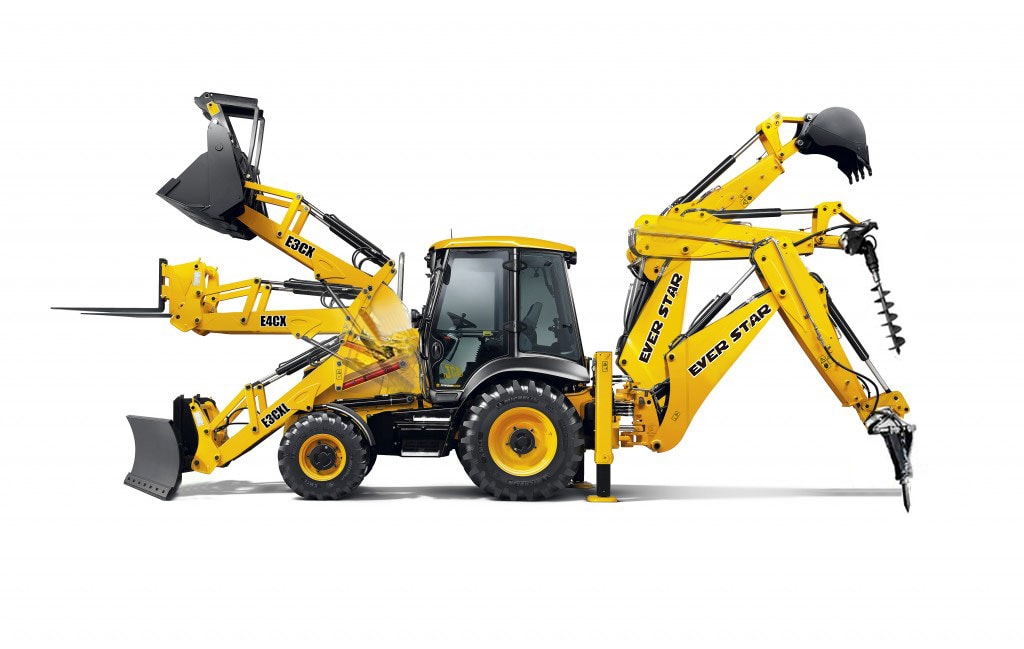
EVERSTAR skid steer attachments cover a wide range of jobs:
- Buckets and pallet forks for lifting building supplies;
- Augers for installing fence posts;
- Dozer blades and box blades for fine grading and road building;
- Brush cutters and stump grinders for clearing tree stumps and small trees;
- Hydraulic hammers for utility work.
Each work tool comes in various sizes for different machine classes, but all share the same principle: a neglected attachment shortens the skid steer’s service life.
Hydraulic Attachment Maintenance: Couplers, Hoses, and Cylinder Condition
Inspect hydraulic couplers for wear and contamination after each use. Check attachment-side hoses for cracking and abrasion, since damaged hoses are a common cause of downtime.
Hydraulic cylinders on grapples and other powered attachments should be checked for seal leaks at full extension. Contaminated fluid from a worn attachment can introduce debris into the skid steer’s main circuit, turning a low-cost repair into a full hydraulic service.
Bucket, Forks, and Wear Parts: Inspection and Replacement Intervals
Inspect the bucket cutting edge and side wear plates every 100 hours, replacing them once the contact surface wears below minimum thickness.
Steer buckets and bucket teeth should be replaced when the tip profile shows rounding or reduced penetration.
Fork attachments need inspection for cracks before every use; a cracked tine should never stay in service. These wear parts see more stress than any other component on the skid steer, so their inspection interval runs shorter.
FAQs — EVERSTAR Skid Steer Maintenance
How often should hydraulic oil be changed on an EVERSTAR skid steer?
Hydraulic fluid and filter replacement on EVERSTAR EC and ETS series skid steers typically falls every 500 to 1,000 hours, depending on operating conditions and workload. Machines working in dusty, high-heat, or high-load environments should be serviced toward the shorter end of that range. Daily sight-glass checks help confirm the interval is still appropriate between services.
Which skid steer attachments need the most frequent maintenance?
Ground-engaging attachments like buckets, augers, and dozer blades wear fastest, since they stay in constant contact with dirt, debris, and other materials. Hydraulic-powered attachments such as hammers and brush cutters need coupler and hose inspection after every use. Compact track loader attachments used in heavy-duty jobs, including stump grinders and pallet forks, should follow the same schedule as the machine’s own wear parts.
Contact EVERSTAR for Service Interval Specifications and Maintenance Support
Machine operators, fleet managers, and site owners running EC or ETS series skid steers can contact EVERSTAR for model-specific maintenance schedules, oil and filter specifications, and after-sales support, including help matching the right skid steer attachments to a job, from a skid steer vs. backhoe comparison to choosing a compact track loader or mini skid steer.

