
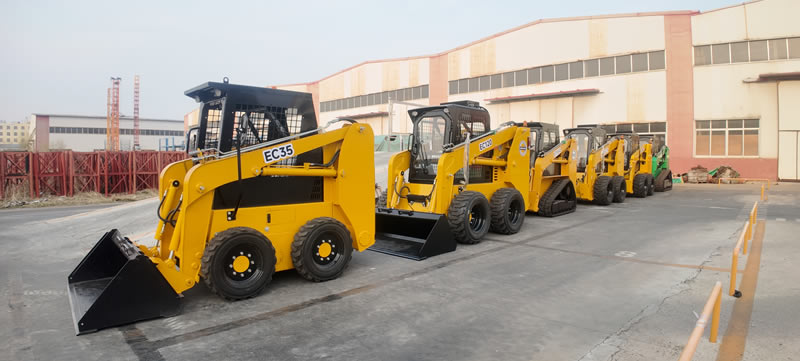
Key Takeaways
- Rated operating capacity (ROC) is the key spec distinguishing large-frame from small frame skid steers and pays off only on heavy-duty tasks.
- Large-frame machines with high-flow hydraulics and heavy duty attachments unlock tools like large augers and hydraulic breakers that compact equipment cannot support.
- Standard features like ride control, one way self leveling, and auto reversing fan improve load stability and operator control on rough terrain.
- Higher operating weight raises ground pressure, limiting use on soft or finished surfaces.
- Contractors moving to the largest skid steer face real trade-offs: more capacity comes with higher cost, ground pressure, and complexity.
Moving up from a mid-size machine to a large-frame skid steer means higher cost, ground pressure, and complexity.
The core question is whether the job actually requires the extra rated operating capacity, the raw power, and the breakout force a large-frame machine delivers.
Without that demand, the additional machine class produces higher operating cost without a corresponding output gain.
This article covers what the machine class actually delivers: rated load, hydraulic output, standard and advanced features, and ground pressure trade-offs. It’s for project managers, site operators, and procurement teams evaluating large-frame capacity.
Rated Operating Capacity: What the Number Means and Where It Is Actually Relevant
Rated operating capacity (ROC) is defined as 50% of the machine’s tipping load.
Rated operating capacity ROC differentiates large-frame from small frame skid steers and controls which load volumes the machine handles per cycle.
On tasks where density and volume are both high, the large-frame ROC eliminates extra cycles a mid-size skid steer requires. That’s a trade-off a product manager must evaluate per task category.
How Rated Operating Capacity Translates to Real-World Load Handling
On materials like concrete rubble, heavy steel components, and dense aggregate, a mid-size machine makes multiple bucket cycles to move what a large-frame machine handles in one.
The lift arm geometry and loader arms on large-frame machines handle heavy loads at full lift height.
Dump height and lift height specifications on the largest skid steer models exceed what most skid steers provide, which matters for loading trucks or depositing into high-sided containers.
The machine’s ability to safely lift dense material in a single pass, without approaching the tipping load threshold, is where the extra capacity pays off.
When High ROC Exceeds the Work Requirements: Solar Farms, Fencing, and Light Construction
Large-frame ROC exceeds what solar farm staging, fencing, transport, and light grading require.
Compact track loaders and compact equipment handle these tasks within their rated capacity.
Deploying a large-frame skid steer on light-duty tasks increases fuel consumption, maintenance cost, and ground pressure without a corresponding output gain, and right-sizing is a cost discipline decision.
Engine Output, Hydraulic Flow, and the Attachments That Require Large-Frame Power
Large-frame skid steers in the 90 to 120 HP range deliver hydraulic flow rates and raw power that unlock attachment categories mid-size compact track loaders cannot support, with standard features that improve uptime protection, operator control, and enhanced productivity across challenging work environments.
Standard automatic ride control, auto ride control, and one way self leveling reduce load spillage and stabilize the lift arm during travel.
Adjustable electro hydraulic controls and intuitive controls give operators greater control on heavy duty tasks.
High-Flow Hydraulics and the Attachments That Depend on Them
High-demand attachments, such as cold planers, large augers, hydraulic breakers, mulching heads, and high-capacity grapples, reach full attachment performance only on machines with a matching hydraulic configuration.
A mid-size skid steer running the same attachment produces reduced output and wear.
Three hydraulic flow options are available: standard, high flow, and super flow hydraulics. With super flow configurations designed for the most demanding heavy duty attachments.
Enhanced high flow configurations extend attachment performance further. A hydraulic coupler system allows faster changes without manual pin removal.
Practical Applications Where Engine and Hydraulic Output Justify the Machine Class
Where large-frame output justifies the machine class: heavy demolition, heavy material handling with high-flow grapples, and aggregate management on case construction equipment sites. These are tasks that require high rated operating capacity, flow hydraulics, and breakout force, delivering increased efficiency that compact track loaders cannot match.
Ground Pressure, Site Access, and the Operational Trade-Offs of Large-Frame Machines
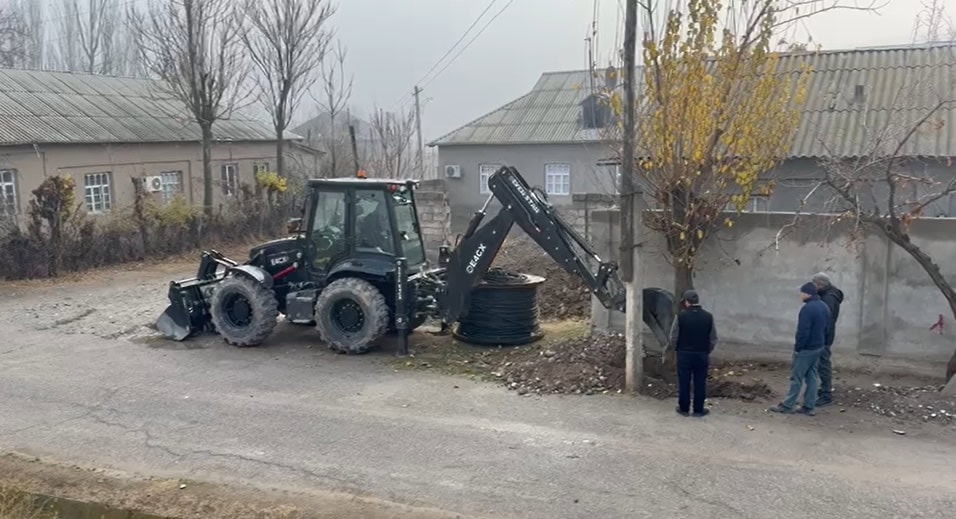
Higher operating weight produces higher ground pressure, and a larger turning footprint reduces flexibility in confined work zones.
These are trade-offs that affect schedule, surface condition, and mobilization cost in any case of construction equipment deployment.
Ground Pressure and Surface Damage: Large-Frame Limitations on Soft or Finished Surfaces
Large-frame skid steer operating weight (significantly higher than compact track loaders) produces ground pressure that can damage soft ground and recently placed material: a practical constraint on landscaping projects and sites where surface integrity is a requirement.
Compact track loaders distribute weight over a longer track length and offer superior traction on soft or uneven terrain.
On hard, stable surfaces such as concrete yards and compacted aggregate bases, ground pressure is not a constraint for heavy equipment.
Turning Radius, Site Entry, and the Maneuvering Penalty in Tight Spaces
Large-frame machines have wider turning arcs in tight spaces.
In urban zones and confined yards, a compact loader may complete the same task faster because it repositions without obstruction.
“Gate width, access road grade, and overhead clearance should be verified before mobilizing any large-frame machine to a confined site, following OSHA guidelines for equipment operation in confined and restricted work zones.
FAQs — Biggest Skid Steer Loader
What is the rated operating capacity range of the biggest skid steer loaders available?
The largest skid steer loader models reach rated operating capacities of 3,500 to 4,500 lbs (1,600 to 2,000 kg), with tipping loads roughly double those figures. ROC is 50% of the tipping load. Dump height specifications also increase with machine class.
What task types genuinely benefit from large-frame skid steer capacity?
Tasks that justify large-frame capacity require high rated operating capacity and flow hydraulics simultaneously: heavy demolition, large-diameter auger work, industrial grapple work, and cold planers. For solar farm logistics, fencing, or general construction support, a mid-size steer loader covers the work at a lower cost.
Large-Frame Capacity Pays Off on the Right Tasks and Costs Extra on the Wrong Ones
The biggest skid steer loaders deliver a genuine productivity advantage for heavy lifting, heavy material handling, and high-flow attachment work. Extra rated operating capacity, raw power, breakout force, and enhanced productivity that compact track loaders cannot match.
Advanced features and unique features, including remote diagnostics, ride control, split screen display, LED lights, and the emissions solution package, add value, but the machine class is selected based on actual load, attachment, and surface requirements.
For contractors managing solar farm installations, guardrail construction, or small-scale site work, EVERSTAR Machinery’s equipment lineup is designed around the actual project scale those projects require.
Contact EVERSTAR for Equipment Selection Guidance on Your Project

Project managers and procurement teams working on solar farm installations, guardrail construction, or small- to mid-scale civil projects can contact EVERSTAR Machinery for guidance on solar pile driver models (HXR5, HXR6, HXR7) and aerial work platforms, including scissor lifts and boom lifts.

