
Discover essential troubleshooting and repair steps for solar pile driver oil leakage. Learn expert inspection techniques to keep your solar pile drivers operating at peak efficiency across every solar project.
Key Takeaways
- In solar pile driving projects, promptly identifying and addressing hydraulic system oil leaks is essential for ensuring construction safety, reducing costs, and protecting your equipment investment.
- Under harsh operating conditions and during high-pressure, high-frequency operations, pile driver seals and hydraulic lines are prone to leakage due to wear and inadequate maintenance, which can reduce machine power and construction efficiency.
- Once an oil leak is detected in a pile driver, seek professional service support immediately to prevent project delays and ensure the long-term reliability of solar pile driving operations.
Why Is A Pile Driving Machinery Important?
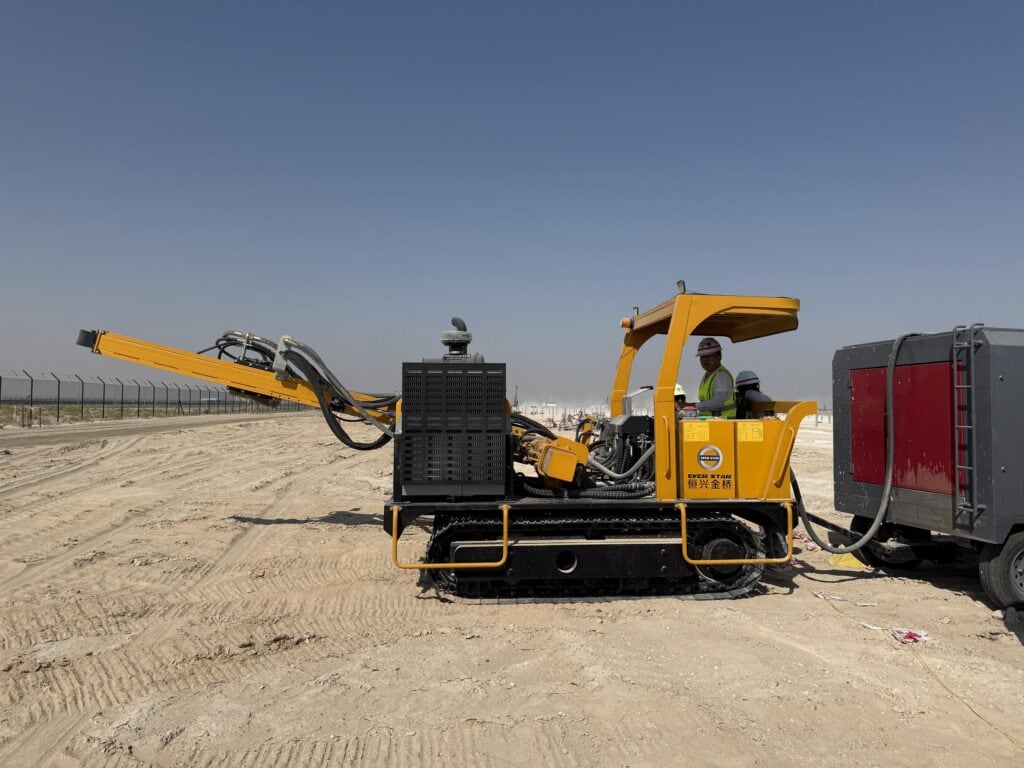
The growth of the solar industry relies heavily on seamless construction projects. At the heart of any ground-mounted solar project, solar pile drivers play a vital role in driving foundation piles into the ground with exact precision and speed.
However, when hydraulic hammers or internal components experience an oil leak, overall productivity drops, operational costs rise, and job site safety is compromised. Understanding the root causes of leakage in pile driving machinery, along with maintaining a strict inspection and repair schedule, is essential to protect your equipment investment and maximize output.
Common Causes of Oil Leakage in Solar Pile Drivers
Oil leakage usually stems from continuous wear on heavy-duty pile drivers working under demanding conditions. Powerful hydraulic hammers deliver high frequency impacts to secure each solar pile deep into the foundation soil. Over years of intense work, seals degrade, hoses wear out, and structural fittings loosen.
No matter the model or size of your machine, high operating pressure and environmental elements can stress key components. When operators push these powerful machines to meet tight deadlines across different location sites around the country, neglected maintenance quickly turns minor seepage into major fluid leaks that diminish machine power and efficiency.
| Leakage Location or Possible Cause | Possible Issues | Corresponding Solution |
|---|---|---|
| Power head frame oil seal | Frame oil seal is worn | Replace the frame oil seal |
| Power head main shaft | Scratches on the main shaft | Replace the main shaft |
| Contact area between the main shaft and oil seal | Grooves have formed on the contact surface | Replace the main shaft or bearing |
| Sealing components | Seal is damaged or installed in the wrong direction | Replace the seal and ensure correct installation direction |
| Pipe fittings | Pipe fitting is loose | Tighten the pipe fitting |
| Check valve | Valve ball is worn or valve seat is damaged | Replace the valve ball and match it with the valve seat |
| Moving components | Excessive clearance between moving surfaces | Replace the relevant components to reduce clearance |
| Components | Component wear | Replace worn components |
| System pressure | Pressure setting is too high | Reduce the operating pressure |
| Hydraulic oil | Hydraulic oil viscosity is too low | Use hydraulic oil with a higher viscosity |
| Operating temperature | Operating temperature is too high | Lower the operating temperature or implement cooling measures |
Preventing costly downtime requires a systematic inspection process. Qualified operators should perform visual checks across every critical area, paying close attention to hydraulic lines, cylinder seals, and the hammer mechanism. From an operational view, keeping the machinery clean allows technicians to spot oil seepage immediately before it spreads.
Leading manufacturers recommend inspecting fluid levels and hose connections daily to maintain structural stability and operational reliability. By combining proper training with years of field experience, your maintenance crew can ensure that each type of pile driving solution operates smoothly, safeguarding the project’s overall timeline and protecting the local community from environmental hazards.
What to Do If an Oil Leak Is Detected?
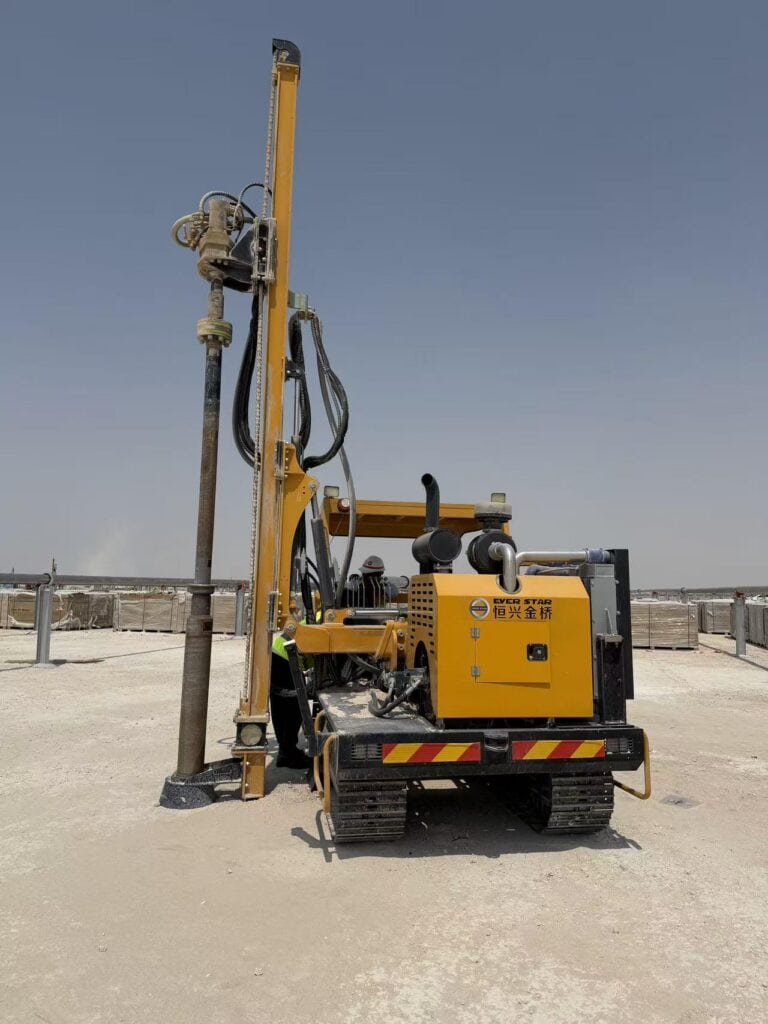
When an oil leak is detected in your pile driving machinery, taking swift action ensures long-term operational benefits. Choosing the right repair options is critical—whether that involves replacing worn o-rings, repairing hydraulic lines, or servicing the engineered power pack. If you need specialized guidance, consulting an experienced company backed by proven industry knowledge provides clear options to restore full performance.
Step 1: Shut Down the Machine and Ensure Safety
If an equipment malfunction is detected, stop the machine immediately. Before maintenance, shut down the engine, remove the ignition key, and disconnect the power supply. The hydraulic system must be depressurized first. Only work under the machine after it has been securely supported.
Step 2: Identify the Oil Leak Location
Inspect the power head, hydraulic hoses, pipe fittings, hydraulic cylinders, and related sealing points to determine which component is leaking. Check for hydraulic oil leaks daily or at least every 10 operating hours.
Step 3: Inspect Component Conditions
Check whether the hoses are cracked, worn, bulging, or deformed; whether the fittings are loose or corroded; whether the seals are damaged; and whether the main shaft and moving surfaces show signs of wear.
Step 4: Troubleshoot Related System Issues
If low pressure and rising oil temperature occur alongside an oil leak, also check the hydraulic oil level, oil viscosity, operating pressure, and system sealing condition to avoid addressing only the visible leak while overlooking related faults.
How to Inspect for Oil Leaks?
Dedicated service teams can help you address specific demands on-site, minimizing project delays. If your current unit is beyond cost-effective repair, exploring high-quality machinery for sale may be the most efficient step forward. Submit an inquiry or send an email to your equipment partner today to secure the precise tools designed for creating lasting stability on every solar site.
| Inspection Item | Requirements |
|---|---|
| Hydraulic Hoses | Inspect regularly. Replace immediately if leaks, localized bulges, or damage are detected. |
| Hydraulic Cylinder Rod | Check for hydraulic oil leakage at least every 10 operating hours or daily. |
| Hydraulic Oil Level | Check once every 10 operating hours. |
| Hydraulic Oil Return Filter | Replace after the first 100 operating hours, then every 500 operating hours or during monthly maintenance. |
| Hydraulic Oil Suction Filter | Replace after the first 100 operating hours, then every 2,000 operating hours or every 6 months. |
| Hydraulic Oil | Clean or replace every 2,000 operating hours or annually. |
| Hydraulic Cylinder Seals | Repair or replace immediately if damage is detected. |
FAQs
What are the main causes of hydraulic oil leaks in solar pile drivers?
Common causes include worn-out rubber seals, high system pressure, damaged hydraulic hoses, and excessive wear on hydraulic hammers caused by heavy-duty operations.
How does addressing an oil leak promptly impact solar project timelines?
Fixing leaks quickly prevents severe component damage, ensures pile driving precision, reduces operational costs, and keeps your project strictly on schedule.
Contact EVERSTAR For Solar Pile Drivers
Facing hydraulic issues or looking to upgrade your pile driving machinery? Our expert team is ready to deliver tailored solutions for your next solar project.
Contact us today via email or submit an inquiry to discover how our high-performance solar pile drivers can boost your job site efficiency and keep your project on schedule. Let’s build a stronger foundation together!

