
Key Takeaways
- Three things decide if a drilling bucket will work on a Bauer rig: the box, the diameter, and the tooth type.
- Quote the exact Bauer model, since the kelly box has to fit the drive stub on that specific bar.
- Diameters follow the pile hole on the drawings and stay within the rig’s rated capacity.
- Ground conditions set the tip profile: flat for soft soils, bullet for rock and hard ground.
- Send EVERSTAR all three inputs together, since a partial specification delays production.
Compatibility with a Bauer rotary drilling rig depends on three checks: the box connection, the diameter against the hole, and the tooth type against the ground.
EVERSTAR Machinery builds drilling buckets and other drilling tools that work on Bauer, Sany, XCMG, and other major drilling equipment brands. This guide walks piling contractors, drilling engineers, and rig fleet managers on foundation work through each step of the selection process.
Kelly Box Size: The Interface Specification That Determines Rig Compatibility
The kelly box comes first because nothing else matters if the bucket cannot connect.
What the Kelly Box Is and Why It Sets the Compatibility Ceiling?
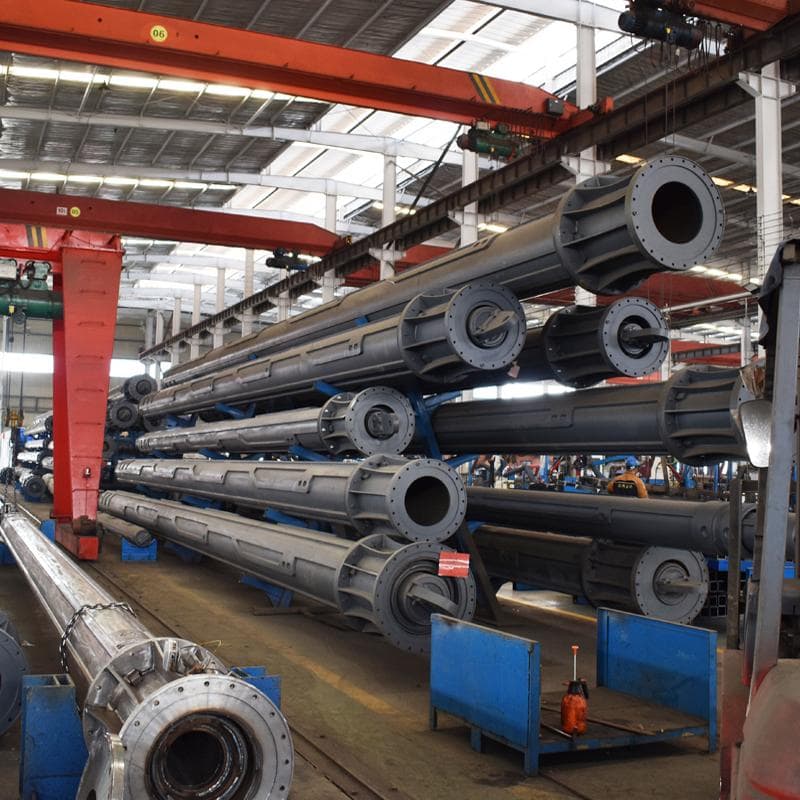
The kelly box is the square socket on top of the drilling bucket and most other drilling tools. It receives the drive stub at the lower end of the bar, and a pin locks the two together so the tool hangs safely.
Box size is fixed by the drive stub geometry, and the stub is fixed by the rig brand, model, and Kelly bar fitted. A box cut to the wrong profile cannot engage under torque load. Confirm the stub dimensions first and use them as the starting point.
Bauer Rig Kelly Box Compatibility: Confirming Drive Stub Geometry Before Purchase
Bauer builds a wide range of rotary drilling rigs, and the drive stub profile is not the same on all of them. Two models that look alike can differ. So send the full Bauer rig model and the serial number. The word “Bauer” on its own tells nobody which stub you have, or which box type it needs.
EVERSTAR matches each box to Bauer drive stub geometry and confirms it against the specific rig model before production, to ensure the bucket seats on the first lift.
On older rigs, the bar in use may not be the original. Find the stub figures in the rig manual, then measure the bar that will carry the bucket: width across the flats, engagement length, and pin hole position, all in mm.
Incompatible box dimensions cannot be corrected in the field, and there are no on-site solutions. A mismatched bucket stays out of service until a replacement reaches the construction site.
Bucket Diameter, Tooth System, and Ground Condition Matching

Once the connection is confirmed, two project documents complete the specification: the pile drawings and the site investigation.
Bucket Diameter: Matching Borehole Specification and Rig Torque Output
Bucket diameter must match the hole specified for the foundation piles. Larger diameters cut more soil per turn and need more torque. Early in the selection process, check the Bauer rig’s rated torque at the planned drilling depth against the diameters on the pile schedule.
Projects with several pile diameters need one bucket for each. A schedule calling for 800 mm, 1,000 mm, and 1,200 mm piles needs three buckets, and all drilling tools on that rig must share one box type. No tool design can raise the rating of the base machine.
EVERSTAR manufactures drilling buckets in multiple diameters for large pile drilling rigs and rotary drilling rigs, from double bottom models with single or double doors to spiral, conical, and clam versions for soil or rock layers.
The double bottom holds loose or water-bearing soil on the lift out of the hole, which matters below the water table. Drilling buckets are not for use on EVERSTAR’s small pile drivers.
Bucket Teeth vs. Bullet Teeth: Ground Condition and Specific Applications Determine the Correct Tooth System
Both profiles are cutting accessories installed on drilling tools for foundation construction. The flat bucket tooth is ideal for smooth excavation in soft to medium soils such as clay, silt, and sand. It comes with or without a base, welded or bolted, in at least four variants.
The bullet profile, developed for hard ground, has a pointed tip in high-strength, wear-resistant material. It cuts efficiently through tough soil, dense gravel, rock, and other hard surfaces in rotary drilling and trenching work.
Ground condition at each hole sets the correct tooth system. Read the ground at each pile from the site investigation logs, and plan to use both profiles where soft clay near the surface overlies weathered rock.
Ordering Specification: What to Confirm Before Purchasing Drilling Buckets for a Bauer Rig
A complete purchase brings all three checks together in one request.
The Three Specifications Required Before an Order Can Be Placed
Before anyone cuts steel for a drilling bucket on a Bauer rig, three answers have to be on the table:
- Box: the rig model, plus real measurements of the drive stub
- Diameters: read off the pile schedule, then checked against what the rig can turn (its rated torque)
- Tooth system: whatever the ground at each hole calls for
In addition, it helps to have the rig serial number, the target depth, any water conditions, casing details, and a list of the other drilling tools running on that rig.
EVERSTAR confirms all three against the rig model and project specification before the manufacturing process begins, to ensure each bucket will meet the work as drawn. This information also sets a realistic lead time for the drilling process.
Replacement Teeth and Field Swaps on a Drilling Project With Busy Drilling Tools
Tips get used up. That’s normal, so spare stock and crew resources should already be in the project plan. In clay they last a long while. In abrasive sand or gravel, or once the bucket hits a hard layer, they go a lot quicker, as anyone with field experience will tell you. Before the work moves forward, get EVERSTAR’s replacement interval for each profile.
Carry enough stock with the site equipment to avoid lost time, and check every wear surface each shift to extend service life. High performance depends on sharp tips: a worn cutter shifts wear onto the holders and slows the drilling process.
EVERSTAR supplies a standard tooth system, so crews can swap quickly between profiles and keep drilling tools productive. Several bullet tooth specifications suit specific applications, so confirm the right one against the ground and bucket model.
FAQs – Drilling Bucket Compatibility
What determines drilling bucket compatibility with a Bauer rotary drilling rig?
Three specifications determine compatibility: box, diameter, and tooth type. The box must meet the drive stub on the rig’s Kelly bar, the bucket must suit the pile hole and the rig’s torque at depth, and the tip profile must suit the ground. EVERSTAR Machinery manufactures drilling buckets and drilling tools for Bauer, Sany, XCMG, and other rotary drilling rigs.
What is the difference between bucket teeth and bullet teeth for rotary drilling bucket applications?
A bucket tooth has a flat profile for smooth excavation in soft to medium soils such as clay, silt, and sand. A bullet tooth has a pointed shape in high-strength, wear-resistant material for tough soil, gravel, rock, and hard ground. Ground conditions at the hole decide which to use.
Contact EVERSTAR for Bauer-Compatible Drilling Bucket
Customers only need to provide the equipment model, piling specifications, and geological conditions. Leveraging nearly 20 years of R&D experience and a comprehensive after-sales service system, EVERSTAR can provide professional equipment configuration solutions and product support before production.

