
Key Takeaways
- Renting a solar pile driver across multiple projects accumulates costs that quickly exceed the purchase price, with no asset value returned.
- EVERSTAR sells all solar pile drivers as purchased assets; understand why rentals are not offered.
- Owning equipment gives contractors schedule independence, avoiding rental availability delays.
- EVERSTAR provides free training to customers and operators, improving installation precision from day one.
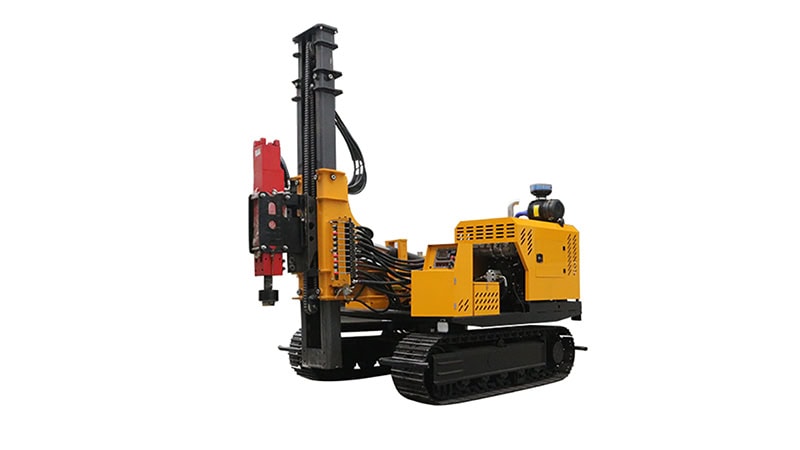
For contractors managing solar farm installations, equipment decisions directly impact project profitability. Every project requires a mini pile driver to ensure a solid foundation and structural integrity for solar panel structures.
The pile driving process is critical to address varied soil conditions and pile types, including steel piles, concrete piles, and timber piles, all essential for the solar industry infrastructure.
This article frames the buy-versus-rent decision as both a financial and operational choice. It explains where rental costs accumulate, what ownership delivers that renting cannot, and how economics favor purchase as project volume grows.
The Real Cost of Renting Equipment Across Multiple Projects
Rental costs are often underestimated per project but accumulate significantly over a year of construction activity.
Daily and weekly hire rates, mobilization fees, return logistics, and damage liabilities all add to rental expenses that grow with each project. Logistical and support services are crucial for managing equipment rentals, especially in remote or challenging environments, ensuring project efficiency.
The equipment never becomes an asset. Every payment flows into the rental company’s revenue, leaving the contractor with no residual value.
Contractors seeking rental or subcontract options should find local dealers, as some companies offer rental services, but EVERSTAR only offers purchase options.
Renting is often recommended for contractors who do not need mini pile drivers for every project, as it helps manage costs and avoids the high upfront investment associated with purchasing equipment.
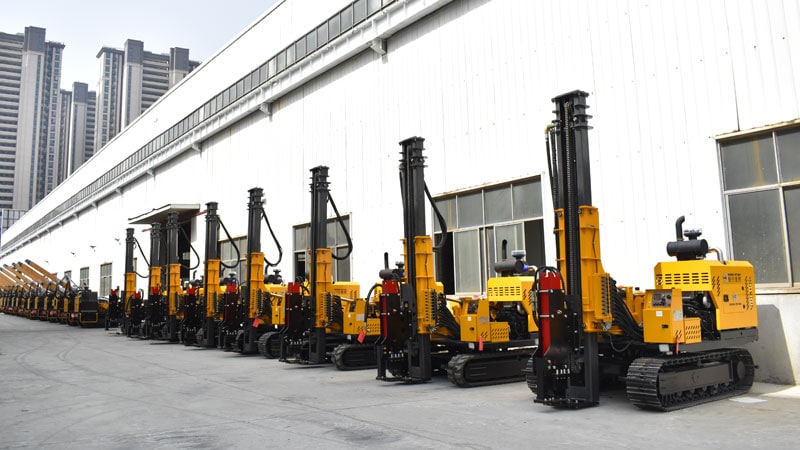
For contractors driving piles across solar farms, the volume of installation work magnifies this effect. A machine capable of installing 200 to 300 piles per day represents significant productive output—but if rented, every day’s work pays down someone else’s asset.
Rental Availability Risk and Its Impact on Project Scheduling
Beyond direct costs, renting introduces a dependency: equipment availability.
Rental fleets are finite. When solar farm pipelines are busiest during peak construction periods, availability tightens.
A contractor who commits to a start date based on rental availability risks project delays if the machine is unavailable when needed.
Delays in pile driving hold up subsequent construction stages, and the cost rarely falls on the rental company.
Accumulating Rental Cost vs. Purchase Amortization Across a Project Pipeline
The financial crossover point, where amortized purchase costs become lower per project than cumulative rental fees, arrives sooner than expected.
Calculate this by dividing the purchase price by the number of projects annually, then compare per-project costs to rental fees.
Selecting the most suitable mini pile driver depends on soil conditions, pile type, and project size.
Owning equipment reduces overall project costs and minimizes soil displacement during installation, ensuring a solid foundation.
Ownership provides consistent productivity and supports the pile driving process across multiple projects. Additionally, owning a mini pile driver helps reduce project delays and ensures reliable scheduling.
A machine delivering 200 to 300 piles daily creates a cost-per-pile figure that rental cannot match once project volume exceeds a modest threshold.
The crossover depends on rental rates and project size, but the trend is clear: the more active the pipeline, the stronger the case for ownership.
What the Numbers Look Like Across a Full Year of Solar Farm Projects
Consider a contractor managing six to eight solar farm projects yearly, each requiring several days of pile driving.
Rental fees, mobilization, and logistics accumulate on every job.
At year-end, total rental spend often equals or exceeds the purchase price of a mini pile driver, without any asset to show.
Ownership converts that spend into a productive asset generating output project after project, without extra equipment costs.
The choice between renting and owning significantly affects long-term profitability and asset value.
What Ownership Gives Contractors That Rental Never Can
Ownership offers operational and commercial advantages with no rental equivalent.
These are structural differences in how contractors operate, scale, and compete.
Ownership allows contractors to maintain their mini pile drivers to industry standards, ensuring structural integrity and durability.
Advanced features in modern mini pile drivers play an important role in achieving precise alignment, especially in demanding applications like solar construction, where reliability and efficiency are crucial.
Misalignment or incorrect depth during pile installation can compromise the stability and integrity of the foundation, potentially affecting the overall success of the project. Technological advancements, such as data collection and automated controls, further enhance installation efficiency and safety during the construction process.
They are also effective for driving piles in challenging ground conditions, such as for roadway guard rails and sign posts, where accessibility is limited.
Operator Familiarity and EVERSTAR’s Free Training Advantage
Rented equipment varies in model and maintenance, causing operator inefficiency and delays.
Ownership eliminates this inconsistency.
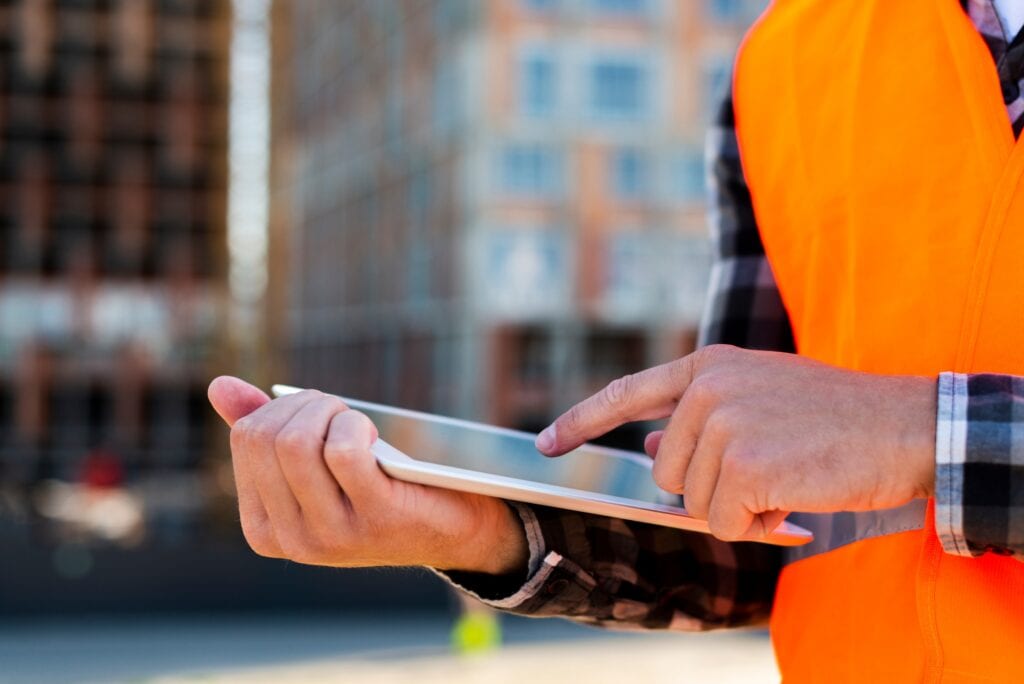
EVERSTAR offers free training to customers and operators, building in-house expertise from day one.
Trained operators develop efficiency and accuracy over time, improving safety and reducing errors, according to the U.S. Department of Labor’s Bureau of Labor Statistics.
Precise pile alignment is vital for solar farms, affecting the entire panel array’s geometry.
Advanced features in pile drivers enhance alignment precision and installation efficiency.
Building Profitability Through Owned Output Capacity
Owned pile driver capacity defines the ceiling of project intake.
Rental equipment limits capacity based on market availability.
Owned machines allow contractors to select models suited for specific soil conditions and pile types, ensuring superior performance.
Contractors determined the most efficient equipment for each project by assessing requirements such as soil type, pile specifications, and jobsite needs. When choosing a mini pile driver, consider construction site accessibility, as ease of movement and setup can significantly impact project efficiency.
Per-Project Margin Improvement Through Owned Equipment
Removing rental costs improves per-project margins directly.
Pile driving is a significant equipment expense; replacing rental fees with amortized ownership costs materially boosts profitability.
Mini pile drivers reduce site preparation and enable faster installation, lowering labor costs.
Margin improvements compound over multiple projects.
Contractors owning equipment earn more per project and can take on more work without equipment constraints.
FAQs — Buying or Renting for Pile Driving Process
What types of mini pile drivers are available?
Mini pile drivers include diesel-powered models with hydraulic systems for heavy tasks and lighter gasoline-powered versions. They use pneumatic or hydraulic energy transmission, with hydraulic types offering quiet, efficient operation ideal for urban sites. Costs vary, and some models deliver superior performance compared to traditional equipment, fitting various project needs.
What are the main applications and limitations of mini pile drivers?
Mini pile drivers are lightweight, portable, and ideal for soft-soil projects such as solar farms, guard rails, and civil fencing. They use impact driving for dense soils and vibratory hammers for softer soils. Smaller pile drivers may struggle in very dense or hard ground. Regular inspections and load testing ensure pile integrity. Large pile driving equipment handles heavy weight and deep piles but is more expensive and noisy.
Contact EVERSTAR to Build the Ownership Case for Your Contracting Business
If you are evaluating purchasing a mini solar pile driver or want to identify the best EVERSTAR model for your project pipeline, contact EVERSTAR Machinery.
Our specialists provide machine specifications, output benchmarks for your soil conditions, and purchase guidance tailored to your business. Contact us here

