
Key Takeaways
- A replacement Kelly bar must match your rig’s kelly box, drive stub, kelly guide, and kelly swivel.
- Before ordering a Kelly bar, record kelly box dimensions, key slot count and profile, and kelly guide clearance.
- The rotary drive rating is the ceiling. How close the bar gets to it depends on how solid the drive keys are.
- Send EVERSTAR your rig model, kelly box data, and bar dimensions, then recheck the Kelly bar on delivery.
- Nobody can fix an interface mismatch on site.
Reading the Kelly Bar Piling Rig Connection: Kelly Box, Drive Stub, and Kelly Guide
Fit comes down to three interfaces: the rotary drive, tool, and kelly guide. The rotary drilling rig and its tools fix all three, so every custom Kelly bar is measured to its rig.
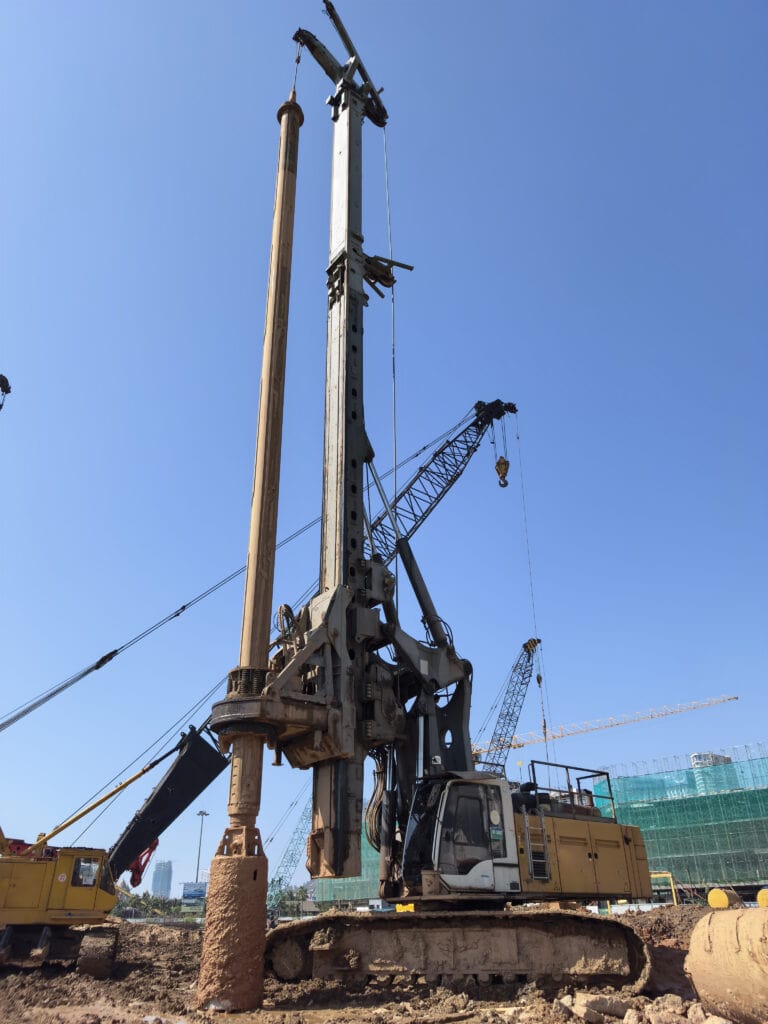
In rotary drilling, torque transmission begins at the kelly box. Its key slots catch the drive keys on the outer section, and from there the keys between the inner and outer sections carry torque down the telescopic Kelly bar. Up on the mast, the kelly guide keeps things straight, and its clearance limits the outer section’s width.
At the bottom, the drive stub seats in the square kelly box of your drilling tools, drilling buckets or augers. At the top, the kelly swivel hangs the Kelly bar from the winch rope.
Measuring the Kelly Box: Dimensions, Key Slots, and Profile to Record
Use the manual to get started, then check every number yourself with calipers and a tape. Drive parts get swapped over the years, and when the book and the steel disagree, the steel wins.
Here’s what to write down:
- Kelly box bore diameter and engagement length
- How many key slots there are, plus their width, depth, and spacing
- Kelly guide inner diameter
- Square kelly box size and pin hole position on each tool
- Kelly swivel connection and main winch line pull
- Headroom from the rotary drive to the mast head, which caps retracted length
Photograph each reading next to a scale. The worn Kelly bar’s keys show the slot profile in reverse.
Rotary Drive Torque Rating and Key Strength: Sizing the Bar to the Drive
The drive’s maximum torque, from the manual or nameplate, is your ceiling, and the Kelly bar has to transmit torque at that level. Capacity depends on how solid the drive keys are, on friction Kelly bars and interlocking Kelly bars alike. Under-rate the Kelly bar and the keys become the weak link.
EVERSTAR reinforces the keys so the Kelly bar can withstand heavy loads at full output, and runs them across the flange to protect structural integrity.
Weigh torque and crowd force together for your rotary drilling method. Interlocking Kelly bars push crowd force down through mechanical locks, so they suit deep drilling, hard rock drilling, and challenging ground conditions.
Friction Kelly bars get most of their downforce from their own weight, the core difference between the two Kelly bar types. Crowd force plus the Kelly bar’s own weight sets the axial forces the Kelly bar carries.
Verifying Fit Before and After Delivery
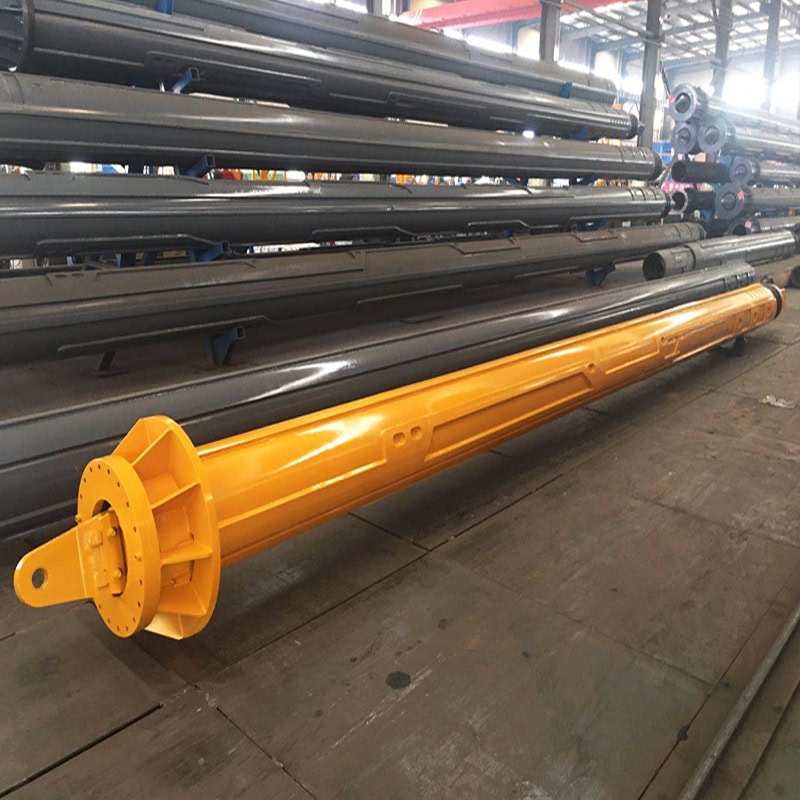
Only two points make a mismatch cheap to fix: on paper before the order goes in, and when the Kelly bar is on the ground before drilling starts.
The Pre-Order Data Pack: Rig Model, Kelly Box Drawings, and Existing Bar Dimensions
With the rig model, EVERSTAR can build a compatible Kelly bar. The data pack shows what an older or modified rig actually carries.
Pre-order checklist:
- Rig brand, model, serial number, and year
- Kelly box drawings or the measurement sheet above, with photos
- Your current telescopic Kelly bar: sections, outer diameter, lengths, keys, drive stub
- Torque and crowd force ratings for the rotary drive
- Target drilling depth, pile diameter, soil profile, and any expected rock drilling
- Which drilling method you use and the drilling tools on the rig
Target drilling depth sets the Kelly bar’s section count and length. Fewer, longer sections are more stable and cost less, so a 36m bore gets 3×12m rather than 4×9m.
A rig on varying drilling depths may need two Kelly bars for the same kelly box. Soil profile, drilling method, and drilling conditions decide between interlocking Kelly bars and friction Kelly bars.
Acceptance Check at Delivery: What to Inspect Before Rigging
When the Kelly bar arrives, go through this before rigging it:
- Drive stub geometry and pin hole: do they match the order and your drilling tools?
- Key count, width, and profile against the kelly box measurements
- Each section’s outer diameter against kelly guide clearance
- Retracted length against available headroom
- Mechanical locking mechanism and lock pockets on interlocking Kelly bars
- Certificates for steel grade (35CrMo, 30CrMo, ZT600, or Q550) and heat treatment
Finish it before the drilling process begins.
Matching Across Rigs and Setting the Limits
A fleet multiplies every interface, and some problems matching can’t solve.
Mixed Fleets: Bauer, Sany, and XCMG Rigs and Spare Bar Planning
Each rig brand and model has its own kelly box, key profile, guide clearance, and drive stub, so each Kelly bar is specced to its rig. Two rigs in one torque class can still need different Kelly bars, and standard Kelly bars for a current model may not fit an older unit of the same series.
Tag every telescopic Kelly bar with its drilling rig’s serial number and keep the measurement sheet on file. Plan spares model by model, starting with rigs on deep foundation drilling or varying drilling depths. And never put a Kelly bar on a rig with a different interface.
Drilling tools shared between rigs need matching drive stubs. The EVERSTAR Kelly bar range covers Bauer, Sany, XCMG, and other hydraulic rotary drilling rigs.
Limitations: Where Matching Stops for Interlocking Kelly Bars
EVERSTAR doesn’t build rotary drilling rigs, so we can’t change the rig side, and there’s no field fix for a stub cut to the wrong profile or a section too wide for the guide.
Matching won’t raise a drive’s torque rating either. If hard rock drilling at your target drilling depth needs more torque than the drive has, the drilling rig is the limit. Kelly bars ship by bulk carrier, so order before your current Kelly bar hits its wear limit.
FAQs – Kelly Bar Matching
Can EVERSTAR make a Kelly bar for my rig brand and model?
Yes. Give us the rig brand and model, and EVERSTAR Machinery can make a compatible Kelly bar, interlocking Kelly bars or friction Kelly bars, for Bauer, Sany, XCMG, and other rotary drilling rigs. For older or modified rigs, add kelly box measurements and the existing Kelly bar’s dimensions.
How do I measure the kelly box on an older rig before ordering a replacement bar?
Get the old Kelly bar out, then measure the kelly box with calipers and a tape: bore, plus key slot count, width, depth, and spacing. Check the kelly guide inner diameter and the square kelly box on your tools too, and photograph each reading next to a scale.
Contact EVERSTAR for a Compatible Kelly Bar
Customers only need to provide the rotary drilling rig model, Bauer casing dimensions, and target drilling depth (or photos and dimensional data of older equipment). EVERSTAR can then customize a compatible Kelly bar and torque transmission solution to meet their specific requirements.

