
Key Takeaways
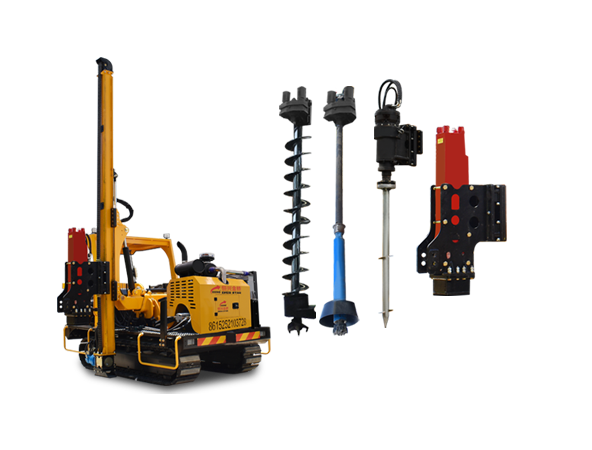
- EVERSTAR solar pile drilling machine systems support ramming, screw driving, auger drilling, and DTH impact drilling.
- Sand, clay, and hard rock require different methods to protect solar pile alignment, depth, stability, and installation speed.
- Wrong-method selection increases accessory wear, emergency maintenance, rework, and project costs.
- EVERSTAR solar piling rigs are designed for flat ground solar power station projects using 3–6m piles.
- The best drilling rig setup depends on soil conditions, pile depth, operator control, and production targets.
A solar power station depends on thousands of repeated foundation points. When the wrong method is used, the problem spreads through slower production, unstable holes, poor precision, and equipment damage.
That is why a modern solar drilling machine must support more than one process. EVERSTAR machinery is equipped to switch between pile ramming, screw driving, auger drilling, and DTH impact drilling using interchangeable accessories.
EVERSTAR pile drivers are intended for small- and mid-scale photovoltaic projects in an expanding solar market. These machines utilize advanced technology to enhance efficiency and sustainability.
Sand, Clay, and Rock Each Require a Different Installation Approach

Every ground type reacts differently to ramming force, drilling pressure, and accessory movement. A drilling rig that works well in sand may lose efficiency in clay or fail in hard rock.
Using one default method across varying soil conditions can cause inconsistent solar pile depth,lower productivity, more maintenance, and higher costs.
EVERSTAR solar piling rigs give operators the adaptability to choose the right method without bringing several machines to the same field.
Sand: Loose Layers, Fast Advancement, and Hole Stability
Sandy ground often allows fast advancement because loose granular material offers lower resistance. This improves speed during auger drilling or screw installation, especially across wide solar panel layouts.
The challenge is whole stability. If operators drill holes too aggressively, borehole walls can collapse before the solar pile is placed, affecting position, shape, and long-term stability.
A controlled approach is crucial. Operators may reduce drilling speed, monitor hole shape, and keep the drilling rig steady before the pile is set.
Clay: Sticking, Moisture Variance, and Controlled Penetration
Clay increases resistance, especially when moisture changes across the field. Wet clay may stick to accessories and increase engine load, while dry clay can slow ramming and auger drilling.
This variation can cause one solar pile to drive smoothly while the next requires more power and control. If operators do not adjust the process, the depth and alignment may become inconsistent.
Pile drivers can work in compact clay when resistance remains manageable. However, auger drilling is often more suitable when sticky material causes buildup or smoother penetration is required.
Rock: When Impact Drilling and Accessory Switching Become Necessary
Hard rock or concrete-like ground requires a different method. Standard pile drivers and auger drilling can lose efficiency quickly when the ground becomes too dense.
For these areas, DTH impact drilling is the right option. EVERSTAR’s DTH drill hammer accessory supports hard formation work up to 3500mm, keeping the application within the 3–6m solar pile scope. It remains a solar farm tool for photovoltaic pile work.
On mixed sites, operators may start with ramming or auger drilling, then switch to DTH impact drilling when rock appears. This adaptability reduces damage and downtime.
Selecting the Right Method Based on Site Conditions
EVERSTAR solar piling drilling rig systems support four main installation methods:
- pile ramming.
- screw driving.
- auger drilling.
- DTH impact drilling.
The correct choice depends on ground type, pile depth, site access, and daily production goals. Good method selection improves safety, efficiency, and solar pile quality while keeping the installation process efficient across the site
Matching Installation Tool to Ground Condition: A Practical Comparison
Pile ramming is usually the fastest method for compact but manageable ground. Hydraulic pile drivers can drive piles quickly, with EVERSTAR systems supporting pile heights up to 6000mm.
Screw driving offers practical benefits when controlled rotation and pull resistance are important. It can help maintain solar panel support alignment in softer or moderately compact soil.
Auger drilling is preferred when operators need controlled hole drilling before pile placement. EVERSTAR auger accessories support depths up to 4000mm, making them useful for loose or variable ground.
DTH impact drilling is reserved for hard rock or dense obstructions. With a maximum depth of 3500mm, it helps operators break difficult layers without forcing the wrong tool into the ground.
What a Complete Solar Drilling Setup Requires
A complete solar drilling setup depends on three parts: the machine, the right accessories, and trained operators.
The solar pile drilling machine is essential for forming a stable pile foundation for solar panel installations. The machine provides engine power, mast control, and drive capability.
The drill mast holds the rotary or hammer head and controls the depth and angle of the drill, ensuring precise placement.
The role of the tracked chassis is to provide stability and maneuverability across uneven or sloped terrain, which is crucial for safe and efficient operation.
Accessories determine whether the system can handle sand, clay, or hard rock.
Accessory Flexibility: Switching Methods Without Changing Machines
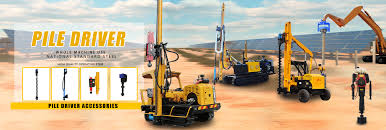
Mixed ground is common on solar farms. One section may contain loose sand, another compact clay, and another hard rock pockets. Bringing separate pile drivers for every condition increases costs and slows production.
EVERSTAR’s quick-swap accessory system allows solar contractors to easily move between ramming, screw driving, auger drilling, and DTH impact drilling using the same machine.
These solar drilling rigs can be equipped with advanced hydraulic systems, enhancing efficiency and adaptability to different soil conditions, making them ideal for a variety of solar installation projects.
The process is easy and direct: stop the machine, secure the attachment, switch the accessory, check control settings, and resume installation.
This reduces downtime and keeps production moving. EVERSTAR solar piling rigs are available for sale to solar contractors seeking efficient solutions.
FAQs — Solar Pile Drilling Machine
Can a single solar pile drilling machine handle both clay and rock ground conditions?
Yes, if the correct accessories are used. Clay may require controlled ramming or auger drilling, while hard rock usually requires DTH impact drilling. EVERSTAR solar piling rigs are reliable for handling both clay and rock ground conditions, as they can switch methods according to ground resistance, helping operators maintain solar pile precision, reduce damage, and keep production stable.
What is a solar piling drilling rig used for, and how does it differ from standard pile drivers?
A solar piling drilling rig is used to install 3–6m piles for the solar panel support foundation on flat ground solar farms. Unlike standard pile drivers focused mainly on ramming, EVERSTAR systems can support ramming, screw driving, auger drilling, and DTH impact drilling.
Consult EVERSTAR for the Right Solar Pile Drilling Machine Setup

Solar farm developers, engineers, and procurement teams can consult EVERSTAR specialists to match ground profiles with the right drilling method, accessory package, and machine configuration.
Whether your project requires ramming, screw driving, auger drilling, or DTH impact drilling, EVERSTAR can help define a solar pile drilling machine setup aligned with your soil, pile depth, and production targets.

