
A pile driver can generate considerable heat during continuous construction work, especially when operating under high loads or in demanding working conditions.

Key Takeaways
- Pile drivers operating under high loads in hard ground conditions are prone to system overheating. Regular inspections and proper maintenance are required to ensure equipment efficiency and construction safety.
- The analysis of five common causes helps identify pile driver faults, while corresponding solutions provide clearer guidance for operators to troubleshoot and resolve problems encountered during construction.
- A daily machine inspection checklist can help operators better maintain the pile driver and extend its normal service life.
Ramming Machine Operation
An operational pile driver is an essential piece of heavy equipment used across every major construction site to create strong pile foundations for buildings, bridges, and solar farm infrastructure. However, during heavy operations, contractors frequently talk about heat buildup and overheating within the machine. Overheating in a pile driving machine or ramming machine can happen due to continuous friction and resistance when dropping a heavy weight or driving piles into hard ground and dense soil. Understanding these core factors is crucial for maintaining operational speed, ensuring precision, and protecting your investment on any job site.
Whether using diesel, steam, compressed air, or advanced hydraulics to drive a foundation post, internal heat generation is an unavoidable reality. Vibratory pile drivers and high-frequency vibratory hammers generate tremendous energy to force deep installation into tough ground conditions. When internal components lose efficiency—or when cooling capacity becomes limited—the entire driving system suffers. Excessive heat not only increases wear on vital hammer parts and other types of driving units, but it also compromises overall job quality, stability, and site safety while escalating unwanted noise and downtime.
So, why does a pile driver overheat during operation?
Based on the operating experience and problem analysis of the HXR6 pile driver, the main causes of rising hydraulic oil temperature include excessive hydraulic pressure, severe hydraulic leakage, excessive friction between moving parts, hydraulic oil with excessively high viscosity, and external heat sources. Proper inspection, maintenance, and operating practices can help identify these problems and reduce the risk of overheating.
1. Excessive Hydraulic Pressure
One of the direct causes of rising hydraulic oil temperature is high hydraulic pressure.
A hydraulic pile driver relies on hydraulic pressure to power functions such as the power head, lifting mechanism, and other hydraulic components. When the machine continuously operates under excessive working pressure, more energy can be converted into heat within the hydraulic system.
How to solve it
Experienced operators recommend reducing working pressure or work stress when high pressure causes the oil temperature to rise.
Operators should avoid unnecessarily overloading the pile driver. The machine should be operated according to its specified working parameters rather than continuously working under excessive load.
Before continuing operation, check the hydraulic pressure gauge and determine whether the system is operating within the appropriate pressure range.
2. Severe Hydraulic Oil Leakage
Another important cause of overheating is severe hydraulic leakage.
Hydraulic leakage can result in a loss of hydraulic volume and reduce the efficiency of the hydraulic system. When the system loses hydraulic oil through damaged seals, pipelines, or other components, the machine may need to work harder to maintain the required hydraulic performance. The R6 manual specifically identifies severe leakage causing volume loss as a cause of increased oil temperature.
How to solve it
The recommended solution is to strengthen or restore the hydraulic seals.
During routine inspection, operators should also check hydraulic hoses and connections for:
- Oil leakage
- Damaged or swollen hoses
- Loose connections
- Damaged seals
- Abnormal hydraulic-cylinder leakage
Damaged hydraulic hoses should be replaced promptly. Hydraulic components with damaged sealing elements should also be repaired or replaced as necessary.
Ignoring a hydraulic leak can lead to continued oil loss and may eventually affect the machine’s operating performance.
3. Excessive Friction Between Moving Parts
Engineers also believe that excessive friction between moving parts as a direct cause of rising hydraulic oil temperature.
Friction converts mechanical energy into heat. If hydraulic or mechanical components have excessive friction because of inaccurate processing, poor assembly, insufficient lubrication, or abnormal contact, additional heat may be generated during operation.
The using experience also associates abnormal movement or crawling with issues such as poor hydraulic-cylinder assembly, increased friction resistance in hydraulic motors, poor guide-mechanism contact, and inadequate lubrication.
How to solve it
Experienced operators recommend improving component processing and assembly accuracy and reducing movement friction.
Maintenance should therefore focus on:
- Checking moving components for abnormal resistance.
- Inspecting hydraulic cylinders and motors.
- Checking guide mechanisms for poor contact.
- Maintaining appropriate lubrication.
- Inspecting components for abnormal wear or damage.
- Correcting improper assembly when necessary.
For slideways and other components requiring lubrication, follow the maintenance intervals specified in the machine manual.
Reducing unnecessary friction not only helps control temperature but can also reduce component wear.
4. Hydraulic Oil Viscosity Is Too High
Hydraulic oil selection also affects operating temperature.
The manual directly lists excessively high oil viscosity as a cause of rising oil temperature. Hydraulic oil that is too viscous can increase resistance within the hydraulic system and make hydraulic components work less efficiently.
However, this does not mean that operators should simply choose the lowest-viscosity oil available. The appropriate hydraulic oil must match the machine specification and operating temperature.
How to solve it
Experienced operators recommend using hydraulic oil with an appropriate lower viscosity when excessive viscosity causes the oil temperature to rise.
The operation manual provides different hydraulic oil recommendations according to ambient temperature. Therefore, operators should select hydraulic oil according to the specified oil type and applicable temperature range rather than mixing different oils or changing viscosity without reference to the manufacturer’s requirements.
Using the correct hydraulic oil helps maintain proper hydraulic performance and supports effective heat management.
5. External Heat Sources
Not all heat comes from inside the hydraulic system.
The actucal operation experience identifies external heat sources as another possible reason for rising oil temperature. If the machine is operating close to a strong external heat source, heat can transfer to machine components and increase the overall temperature of the hydraulic system.
How to solve it?
Experienced operators recommend isolating the machine from external heat sources.
When possible, operators should:
- Keep the machine away from unnecessary heat sources.
- Prevent direct exposure to strong external heat.
- Maintain adequate space around heat-generating components.
- Ensure that the machine’s heat-dissipation functions are not obstructed.
The hydraulic tank is designed with a heat-dissipation function, while the engine cooling system also contributes to temperature control. Keeping these systems in proper working condition is therefore important during continuous operation.
Hydraulic Maintenance Can Help Prevent Overheating
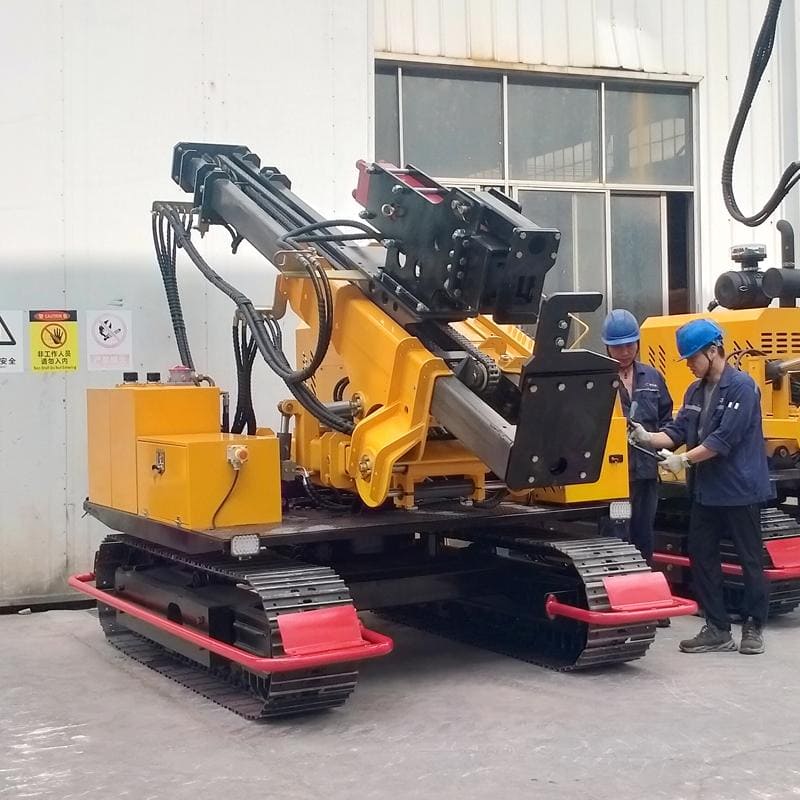
For any successful project, proactive protection and regular maintenance are what truly matter. Committed to excellence, our team takes great pride and respect in delivering top-tier manufacturing and support services. We specialize in supplying high-performance machinery engineered to enhance durability and heat dissipation on tough terrain. Driven by a culture of innovation and continuous growth, we aim to power the next generation of foundation engineering, allowing skilled professionals to achieve long-term project success and build a solid foundation for the future.
According to the User Manual, operators should regularly check the hydraulic oil level. If the oil level is below the specified level on the gauge, the recommended hydraulic oil should be added to the appropriate level. Overfilling should also be avoided.
The manual also specifies maintenance intervals for hydraulic filters and hydraulic oil. For example, the return oil filter requires an initial replacement after the specified operating period and subsequent inspection or replacement according to the maintenance schedule. The suction oil filter and hydraulic oil also have specified inspection or replacement intervals.
Following these maintenance intervals can help maintain hydraulic-system cleanliness and performance.
What About Engine Overheating?
It is important to distinguish hydraulic oil overheating from engine overheating.
The main overheating information in the R6 manual concerns rising hydraulic oil temperature. However, the manual also contains engine maintenance requirements that are relevant when investigating overall machine overheating.
Before starting the machine, operators should check items such as:
- Engine oil level
- Coolant level
- Fan belt condition
- Hydraulic oil level
- Fuel level
- Possible leaks
The engineer also recommends allowing the engine to idle for approximately 3–5 minutes after starting before increasing it to working speed.
Engine cooling-system maintenance should include checking the coolant level and maintaining the radiator and related components. The air filter should also be inspected and cleaned according to the maintenance requirements.
Because coolant and engine components can become extremely hot during operation, maintenance work on the cooling system should only be performed after the relevant components have cooled sufficiently.
A Practical Troubleshooting Checklist
If a pile driver shows signs of overheating during operation, a systematic inspection can help identify the problem.
Step 1: Check hydraulic pressure
Check the hydraulic pressure gauge and determine whether the working pressure is excessively high. If necessary, reduce the working stress according to the machine’s operating requirements.
Step 2: Inspect for hydraulic leakage
Check hoses, fittings, cylinders, seals, and other hydraulic components for leakage or damage. Repair or replace damaged sealing components and hoses.
Step 3: Check for excessive friction
Inspect moving parts, hydraulic cylinders, hydraulic motors, guide mechanisms, and other components for abnormal friction or resistance. Verify that lubrication and assembly conditions are appropriate.
Step 4: Check hydraulic oil
Confirm that the oil level is correct and that the hydraulic oil meets the specified requirements. Pay particular attention to whether the oil viscosity is suitable for the operating temperature.
Step 5: Check external heat sources
Determine whether the machine is operating near an external heat source or under conditions that could interfere with heat dissipation.
Step 6: Check engine cooling components
If the problem appears to involve engine temperature rather than hydraulic oil temperature, inspect the coolant level, radiator, fan belt, air filter, engine oil, and related components according to the maintenance instructions.
FAQs
Why does a pile driver overheat during operation?
A pile driver may overheat due to high hydraulic pressure, hydraulic leakage, excessive friction, incorrect hydraulic oil viscosity, or external heat sources. Regular inspection of the hydraulic system, oil level, seals, and lubrication can help prevent overheating.
How to Prevent Pile Driver Overheating?
A practical maintenance routine should include:
- Checking hydraulic oil level regularly.
- Using the specified hydraulic oil and appropriate viscosity.
- Monitoring hydraulic working pressure.
- Inspecting hydraulic hoses and seals for leakage.
- Maintaining hydraulic filters according to the maintenance schedule.
- Replacing hydraulic oil at the specified interval.
- Maintaining adequate lubrication of moving components.
- Checking guide mechanisms and moving parts for abnormal friction.
- Keeping the cooling system properly maintained.
- Avoiding unnecessary overload and excessive working stress.
Contact EVERSTAR for Solar Pile Driving Machine
Keeping your solar pile drivers operating at peak efficiency is critical to meeting your installation deadlines. If you’re experiencing persistent mechanical or hydraulic issues, reach out to the EVERSTAR technical team for technical guidance.

