
Key Takeaways
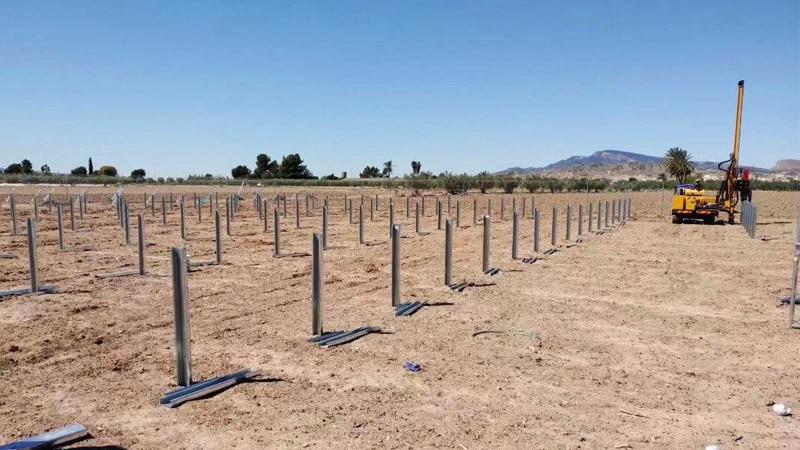
- Assessing the soil profile before drilling is critical to understand sandy soil conditions, composition, and how it will respond under load.
- Proper drilling tool selection—used as pile driver accessories such as augers, rotary systems, and DTH—ensures soil stabilization, efficient cuttings removal, and reduced risk of collapse.
- Stabilization techniques like compaction, grouting, and soil improvement systems enhance load bearing capacity and support strong foundations.
- Long-term monitoring, inspections, and maintenance prevent structural damage and maintain foundation performance across seasonal and moisture variations.
Sandy soil presents both opportunities and challenges. Its low cohesion, shifting structure, and sensitivity to vibration or saturation can make construction unpredictable. Understanding soil’s characteristics is essential for proper planning.
Under heavy loads, sand may settle unevenly, and exposure to water or seismic activity increases the risk of erosion control and liquefaction. With the right solution in engineering techniques, these risks can be managed effectively.
Everstar supports these projects with drilling solutions optimized for sand, including augers, rotary systems, and DTH tools, used as pile driver accessories, that balance cutting efficiency and effectively remove sand. These systems help crews stabilize loose formations, reduce collapse risk, and maintain smooth excavation.
This article outlines practical strategies for achieving structural stability in sandy soil, including soil assessment, drilling techniques, equipment selection, stabilization methods, and maintenance practices to keep projects safe and efficient.
Soil Properties and Drilling Challenges
Sand behaves differently from other soils. Understanding its behavior requires knowledge of soil mechanics. Sand does not bind strongly, shifts under pressure, and reacts quickly to vibration. In practice, a borehole in dry sand may temporarily hold its shape before grains collapse, and moisture can accelerate flow or slumping.
These properties increase the risk of wall collapse, loss of circulation, and uneven settlement if the foundation system is not engineered for stability. Specialized drilling methods, temporary casing, controlled drilling fluids, and efficient cuttings removal are essential to mitigate these specific challenges.
Assessing Soil Conditions
Understanding the soil profile before drilling is a critical decision. Field and lab testing help evaluate soil composition, density, drainage behavior, and responsiveness to moisture or vibration:
• Site analysis: Construction site inspections identify surface conditions, groundwater impact, and compaction patterns. Standard or cone penetration tests (SPT/CPT) gauge density and soil strength.
• Laboratory analysis: Grain size, density, and moisture response tests confirm whether sand is uniform, mixed, or contains fines that may affect stability.
• Everstar’s survey services: Field teams provide a detailed soil report to match drilling tools and methods to site-specific soil mechanics, reducing guesswork and improving efficiency.
Common Foundation Types
Several foundation options can perform reliably in sandy soils when designed with soil behavior in mind. Each method transfers load differently, and choice depends on depth, density, and site conditions:
• Piles: Driven piles transfer structural loads into deeper, denser layers of sand, minimizing settlement risks. They are ideal where upper sand layers are loose. Everstar pile driver accessories help create clean, stable pile paths and reduce soil particle disturbance during installation.
• Caissons: Drilled shafts provide wide, stable supports for thick sand deposits or structures with heavy load requirements. Larger diameters resist lateral movement, and proper casing ensures the borehole maintains its shape during excavation. A deep foundation solution may be required for significant structural loads.
• Slabs: Reinforced slabs spread the building’s overall weight, preventing differential settlement in shallow, well-compacted sand layers. Proper grading, soil preparation, and compaction are essential. Everstar tools help ensure a balanced mixture and good bearing capacity per square foot.
• Hybrid approaches: In some cases, combining piles with slabs or using micro-piles beneath slabs can provide additional stability, especially for uneven or variable sand layers. These approaches allow designers to adapt to site-specific conditions while keeping excavation and foundation work efficient.
Understanding Basic Soil Types
Knowing how sandy soils compare with clay or silt adds important context. Sand drains quickly and shifts easily. Clay soil resists movement but expands and contracts with moisture. Silty soils sits between the two, often holding water and losing strength under repeated loading.
Not all sand behaves identically, then analysis is key. Everstar offers drilling tools tailored to gravel soils and other soil types, helping crews adapt equipment to local mechanics instead of forcing a single method to work everywhere.
Drilling Strategies and Equipment Selection

Drilling in sandy soils requires methods that maintain borehole integrity and prevent collapse. Matching techniques with Everstar-compatible equipment ensures reliable excavation and clean holes for foundation engineering.
• Mud rotary drilling: Uses fluid to stabilize loose sand while advancing, supporting borehole walls and limiting sloughing in deep, dry sand.
• Casing installation: Temporary or permanent casing prevents collapse, maintains consistent diameter, and supports pile or shaft placement.
• Sonic Drilling: High-frequency vibration reduces friction and keeps holes clean while helping eliminate vibration. Effective for precise sampling and controlled excavation. Also the depth of drilling can be adapted for site conditions.
Drilling Tool Choice
Tool selection directly affects performance in sandy soils. Everstar’s range of auger, rotary, and DTH systems allows contractors to choose the configuration that best supports stability, cuttings removal, and hole accuracy.
• Augers: Ideal for shallow to medium depths in relatively uniform sand, these drilling tools enable rapid cut-and-lift cycles and work effectively when combined with casing or drilling fluids to prevent borehole collapse.
- Maximum Depth: 4000mm
- Drilling Diameter: φ100-500mm
• Rotary Drilling Tools: Suitable for deeper foundations and larger diameters. The steady rotation ensures controlled cutting, consistent material removal, and precise alignment even when sand layers vary in density.
- Dual Power Motor / Single Power Motor
- Screw Height Max: 5000 mm
- Motor Torque: 5600 / 8000 N·m
• DTH (Down-the-Hole) Hammers: Designed for dense sand layers or mixed granular formations requiring stronger penetration. The hammer action maintains steady progress while minimizing tool wear, and the air flush keeps the borehole clean. Temporary casing is often used to prevent wall collapse.
- Maximum Depth: 3500mm
- Drilling Diameter: φ50-300mm
Stabilization and Improvement Techniques
Sandy soils often need added strength or cohesion before they can support load bearing capacity. Stabilization methods help create a uniform base, improve soil strength, and reduce the risk of settlement.
• Grouting: Pressure grouting fills voids and binds loose soil particles, forming a denser, more stable mass. Effective beneath foundations, around piles, or in areas prone to washout. Other methods may supplement grouting for complex layers.
• Compaction: Surface or deep compaction increases density and reduces long-term settlement. Vibro-compaction and dynamic compaction are widely used where sand layers are thick and naturally loose.
• Soil Improvement Systems: Techniques like geotextile reinforcement, stone columns, and rigid inclusions provide added confinement, channel load paths, and support structural stability.
Bearing Capacity
It refers to how much load capacity a soil layer can safely support without failing or settling beyond acceptable limits. Sandy soils gain capacity through compaction, drainage control, and deeper load transfer using driven deep piles or caissons.
Recognizing natural density and unique properties guides foundation design for a strong foundation. A thorough understanding of the soil’s unique characteristics ensures stability.
Risk Management and Maintenance
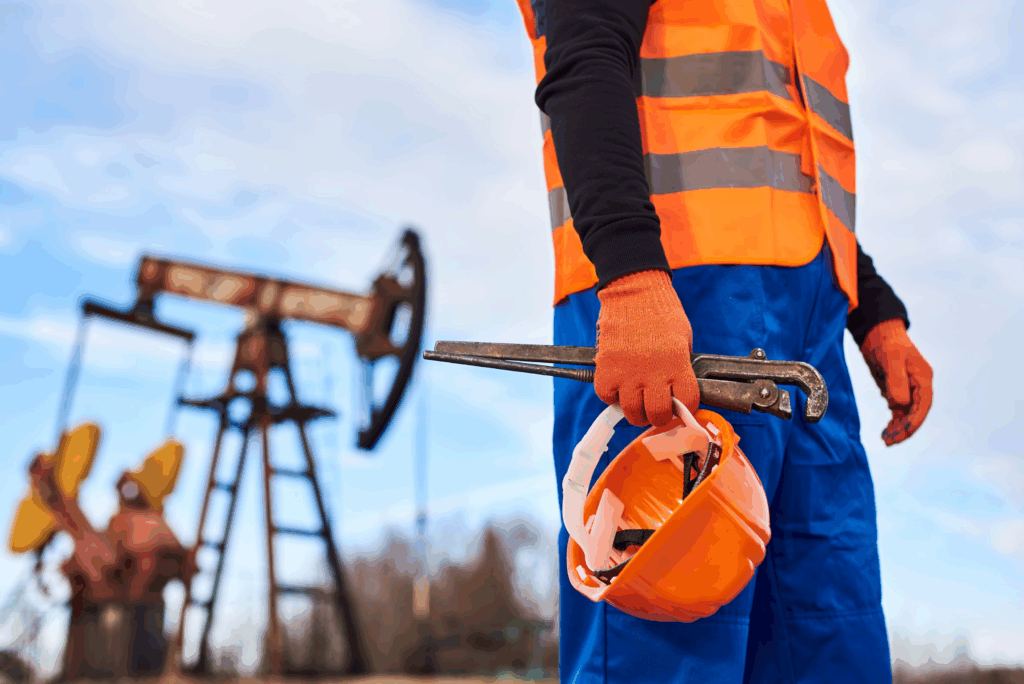
Risk is always part of building on sandy soils, prevention and adherence to local building codes are vital. The goal is to keep the ground stable, protect the foundation, and act before small issues cause structural damage. Three elements guide this process:
• Control: Maintain proper drilling parameters, manage groundwater movement, and stabilize loose zones early. Using the right drilling method and compatible Everstar tools keeps boreholes clean and prevents collapse during installation while adhering to regional incidental codes.
• Monitor: Track settlement, moisture changes, and vibration throughout construction. Instruments such as settlement plates, piezometers, and inclinometers give real-time feedback on how the sandy formation is reacting and whether good drainage is maintained.
• Correct issues on time: If excessive settlement, unexpected voids, or washout patterns appear, address them immediately with additional compaction, grouting, drainage adjustment, or re-casing to keep the foundation stable, especially in soils of high plasticity or cohesive soil.
Preventing Settlement and Failure
Sandy soils tend to shift if moisture content levels change or if loads are not properly distributed. Warning signs include uneven settlement, ponding water around the structure, sand displacement during drilling, or borehole sloughing.
With Everstar field solutions, such as guided drilling systems, calibrated torque controls, and compatible casing or tooling, contractors can maintain borehole integrity and comply with OSHA safety standards, reducing the risk of differential settlement.
Long-Term Maintenance
Reliable foundations in sandy soils rely equally on proper design, compliance with regulations, and ongoing maintenance. Routine inspections, monitoring of ground movement, and periodic evaluation of drainage paths help prevent soil loosening or shifting due to seasonal changes.
Scheduled service for equipment and adherence to warranty programs, like those offered by Everstar, also ensure that drilling tools and support systems continue to perform as intended. Consistent maintenance protects the original foundation work and preserves the reliability of the structure over the years.
FAQ: Sandy Soil Foundation
What’s the best drilling method for sandy soil?
Mud rotary drilling is ideal for stabilizing loose sand while advancing boreholes. Sonic drilling works well for precise sampling or controlled excavation in granular layers, and temporary casing may be needed to maintain borehole shape in highly saturated conditions.
How do I stabilize a sandy foundation?
Stabilization relies on compaction, grouting, and soil improvement systems like stone columns or geotextiles. Combining proper drilling tools with controlled placement ensures uniform support, reduces settlement risk, and creates a stable base for piles, caissons, or slabs.
What maintenance is required after installation?
Periodic inspections, monitoring soil moisture and movement, and equipment checks are essential. Drainage paths must remain functional, and scheduled service for drilling and stabilization equipment ensures continued performance and long-term foundation stability.
Conclusion: Ensuring Foundation Stability in Sandy Soils
Stable foundations in sandy soils require careful soil assessment, precise drilling, and the right tools for each site, especially when dealing with challenging soil conditions. Proper stabilization techniques help control settlement and maintain structural integrity while complying with local regulations during construction.
Everstar provides field-tested equipment, expert guidance, and monitoring solutions. These services reduce risk, ensure borehole stability, and support long-term performance from excavation through maintenance, giving construction projects predictable and reliable outcomes.
Consult Everstar for Sandy Soil Solutions
Contact Everstar’s experienced professionals for site-specific analysis, technical recommendations, and drilling support. Teams can guide tool selection, advise on stabilization methods, and provide ongoing maintenance or troubleshooting assistance.

