
Key Takeaways
- Ground anchors increase stability in retaining walls facing lateral forces and high loads.
- Multiple anchor types support different soil conditions, slopes, and structural requirements.
- Proper installation, monitoring, and tensioning determine long term stability and performance.
- Everstar’s anchoring technology enhances durability, reduces risk, and improves earth retention.
- A well-designed retaining wall system helps protect structures, foundations, and outdoor space.
A solid earth retention strategy depends on how well ground anchors interact with retaining walls, especially on sites where soil pressure and shifting conditions demand a critical, functional, safe solution.
These systems are vital in both temporary and permanent environments, and Everstar continues to support engineers with anchoring equipment that improves precision, reduces risk, and enhances long term stability for a wide range of projects.
Ground Anchor Basics and Applications
Ground anchors are essential components in earth retention, acting as tension-resisting elements embedded in soil or rock to support retaining walls and nearby structures. These systems are widely used to counteract lateral forces and heavy loads that can cause soil erosion or instability.
Ground anchors offer versatile solutions for a wide range of construction site conditions, from infrastructure tasks to property boundary work.
Ground Anchor Fundamentals
A ground anchor is a tension-resisting element installed in soil or rock to stabilize a wall or nearby structures, including concrete blocks. The anchor mechanism relies on a rod bonded into the ground through grouting or helical plates, allowing the system to counteract lateral forces and heavy loads that could otherwise cause shifting.
Everstar focuses on providing equipment that supports accurate drilling, dependable tensioning, and consistent load transfer across retaining wall systems, ensuring structural integrity.
Anchor Retaining Wall System Types
Engineers select from several configurations based on soil conditions, project needs, and the required length to reach competent ground. Traditional tieback anchors are tensioned after installation, offering a reliable option for high loads.
Soil nails work differently, acting as passive reinforcing elements that extend into the ground to improve stability along slopes or excavation faces. Deadman anchors use buried concrete blocks or plates to create resistance where deep drilling is not suitable.
Each approach can be integrated with Everstar equipment for drilling, grouting, and tension control.
Common Project Applications
Retaining wall anchors appear throughout infrastructure works, residential boundaries, transportation corridors, and steep slopes where soil erosion or lateral forces threaten integrity.
These anchors are also crucial for stabilizing property lines in limited outdoor space, supporting new foundations, and safeguarding excavation areas located near existing structures that may need repair. The ability to protect walls from shifting makes them an essential investment on projects that demand secure earth retention.
Installation Process and Key Factors
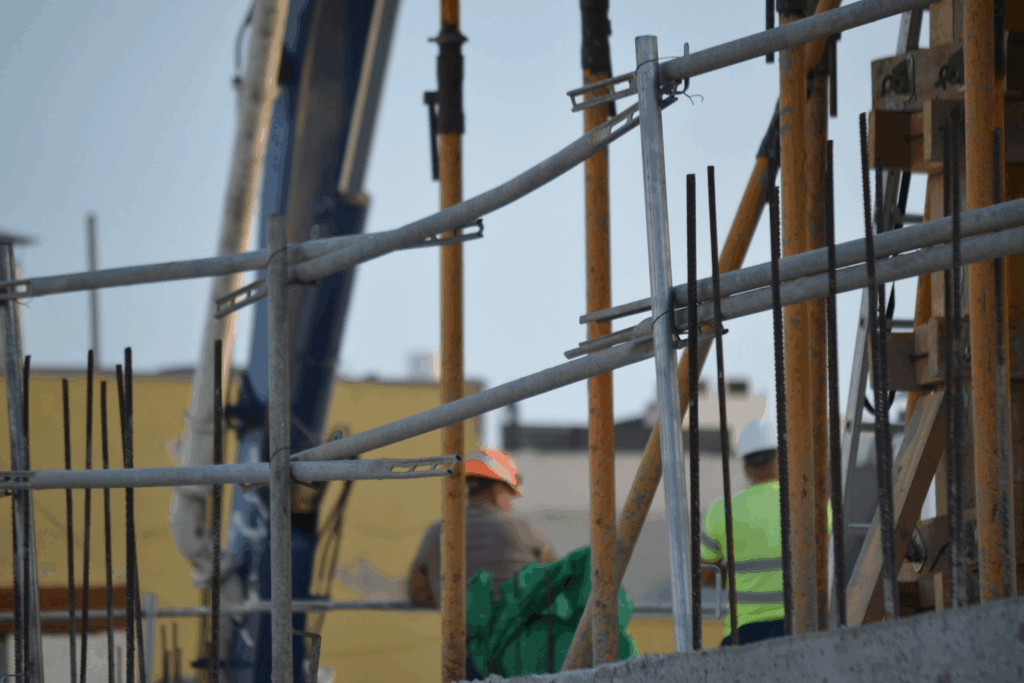
Successful installation of ground anchors hinges on the chosen method, site conditions, and engineering precision. Whether using mechanical drilling, grouted rods, or helical plates, each technique must be tailored to soil type and project requirements.
Proper testing, alignment, and tensioning are vital steps that ensure the wall anchors deliver long-term stability and performance. With expert equipment and rigorous site assessments, teams can maximize safety and structural integrity of the retaining wall system throughout any task.
Ground Anchor Installation Methods
The installation process varies based on anchor type and ground conditions, and it is essential to test the installation for effectiveness. Mechanical drilling creates the anchor rod shaft, followed by grouting that bonds the anchor to the ground.
Helical anchors, using helical plates, are rotated into place at the right angle with minimal disruption, making them suitable for sensitive environments. After anchors are installed, the tensioning step is critical, as engineers must test loads, verify alignment, and confirm that the system can safely handle expected forces and heavy loads.
Retaining Wall System Integration
A retaining wall system works only when anchors and the wall behave as a unified structure. The load must transfer effectively from the anchor head to the retaining wall so the system can resist soil movement.
Everstar equipment supports precise installation angles, reliable grouting, and consistent shaft preparation for both temporary and permanent solutions, helping engineers maintain structural integrity and prevent shifting over time.
Anchors can also reinforce existing walls undergoing repair or facing increased soil pressure.
Site Assessment and Design Criteria
A thorough evaluation of soil layers, moisture, rock depth, and other factors, such as expected loads, is essential before selecting the appropriate anchor method.
Engineers must determine anchor capacity, select suitable rod size, assess the environment, and confirm that the design remains effective under both temporary and permanent conditions.
Everstar provides design support, helping teams choose functional solutions that match project complexity and available on-site storage space for equipment.
Safety, Durability, and Maintenance

Maintaining the safety and longevity of the anchor retaining wall systems depends on regular inspection, robust materials, and effective upkeep protocols. These measures not only help prevent corrosion and tension loss but also identify early warning signs of potential structural issues.
Additionally, by prioritizing care, engineers ensure that retaining wall anchors provide long-term stability of the structures under changing environmental conditions. Durable design and scheduled maintenance are essential for extending system lifespan and securing the investment.
Inspection and Safety Protocols
Routine inspection is crucial for ensuring that retaining walls and anchors remain secure over time. In many projects, teams align these procedures with broader sustainability and reporting principles recommended by GRI, checking for corrosion, monitoring tension loss, and looking for signs of wall displacement or soil movement.Long-term
A proper test schedule verifies performance under load and identifies early risks that may require repair. These steps safeguard foundations, protect adjacent structures, and help homeowner or contractor teams stay aware of maintenance needs.
Long-Term Durability Factors
Long-term performance depends on corrosion resistance, proper sealing, and the ability to withstand wind, water infiltration, and natural wear. Anchor integrity also changes as soil conditions evolve, requiring periodic recalculations of loads.
In some environments, engineers may upgrade components or fix components that have reached their service life.
Everstar’s equipment helps teams perform accurate assessments and extend the lifespan of retaining wall anchors across demanding environments.
FAQ – Retaining Wall Anchors
What’s the best anchor type for clay soils?
Clay soils typically benefit from anchors that provide strong bond resistance, especially when moisture levels fluctuate, and the length of the anchors plays a vital role. Tieback anchors and grouted rods tend to perform well because they maintain consistent tension despite seasonal movement. Engineers also analyze soil shear strength, slope geometry, and expected loads to confirm that the anchoring method remains functional throughout the system’s service life.
How do I inspect ground anchors in a retaining wall?
Inspection involves monitoring tension, checking for corrosion, and reviewing wall movement, especially in areas prone to shifting. Engineers usually verify anchor heads, grout condition, and signs of structural stress around the retaining wall. Most systems require periodic load test cycles to ensure that the anchors continue to perform safely under expected pressure while meeting project-specific maintenance requirements.
How long do ground anchor systems last?
A well-installed anchor system can last several decades, depending on corrosion protection, grout quality, and soil conditions. Long term durability improves when anchors receive scheduled maintenance, protective coatings, and periodic load checks. In more aggressive environments, engineers may update components or add reinforcement to maintain stability and safeguard the retaining wall over time.
Conclusion: Maximizing Retention Wall Stability with Ground Anchors
A reliable ground anchor wall solution balances anchor type, installation method, and real-world soil behavior, ensuring that the constructions task is a form of engineered earth retention.
When engineers select the right configuration, verify loads, and follow a precise installation process, the system remains stable even under shifting conditions and high loads.
Everstar’s anchoring equipment supports accurate drilling, secure tensioning, and dependable performance, helping teams build walls that deliver long-term performance and strong earth retention.
Request Everstar’s Design & Engineering Consultation
If your project requires engineered earth retention, reach out to Everstar for customized anchoring guidance.
Explore with our specialists the site-specific evaluations for your investment, equipment recommendations, and technical insight to enhance retaining wall systems and ensure safe, efficient installation across all types of soil and foundations.

