
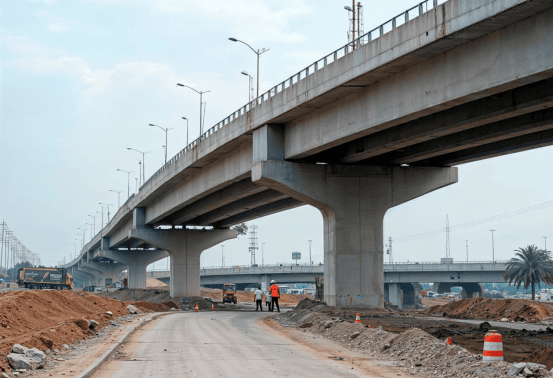
Key Takeaways
- Selecting rigs with adequate torque, mast capacity, and crowd systems ensures precise verticality and alignment in deep foundation drilling.
- Controlled slurry circulation, proper casing handling, and spoil management are essential for environmental protection and quality control in bridge projects.
- Choice of piling methods, such as continuous flight auger drilling, driven piles, or end bearing piles, depends on soil type, load, and site constraints.
- Working over water or adjacent to existing structures requires compact, stable rigs, careful planning, and adherence to bridge engineering specifications.
Bridge foundation drilling occurs under high-risk conditions where load transfer, alignment, and depth accuracy directly impact structural integrity. Rigs with controlled torque, precise verticality, and consistent crowd force enable safe, reliable drilling across ground conditions and constrained construction sites.
Rig selection strongly affects efficiency and risk management during deep foundation construction for bridge piers. Everstar foundation drilling equipment delivers adaptable drilling common methods, responsive controls, and high torque capacity to maintain stable performance and safety in demanding larger projects.
This article examines drilling rig features and operational methods that support safe pier foundation execution. It focuses on equipment capabilities, drilling parameters, and procedures that reduce risk, maintain bore quality, and comply with environmental and structural requirements.
Drilling Requirements for Bridge Foundations
Bridge pier foundations require drilling systems capable of producing deep, load-bearing piles while meeting strict geometric tolerances. Foundation rigs must adjust to bored piles, pile driving, or continuous flight auger drilling depending on soil profile, pile diameter, and structural load requirements.
Several factors, including soil type, depth, and pile load capacity, determine drilling method selection in bridge projects based on project requirements. Techniques such as casing advancement, rotary drilling rigs, and double rotary drilling stabilize loose soils, preserve bore quality, and prevent deviations that could compromise pile performance.
Deep Shafts, Access Constraints, and Water
Bridge piers often require large-diameter piles extending 20 to 60 meters, frequently over rivers or restricted-access corridors. Foundation drilling rigs must maintain alignment, verticality, and stability while operating from temporary platforms under limited space and logistical constraints.
Working over water adds challenges in controlling drilling fluid, managing drill cuttings, and removing spoil efficiently. Reverse circulation drilling paired with controlled fluid systems ensures clean bore production, limits sediment dispersion, and reduces environmental impact during the construction process.
Tolerances and Structural Demands
Pier foundations require strict control of verticality, position, and diameter to ensure proper load transfer into piles. Even minor deviations can reduce friction pile capacity, compromise structural integrity, and affect the long-term performance of the bridge foundation.
Maintaining clean bore conditions is essential before pouring concrete in deep shafts. Controlled fluid management, proper casing installation, and final bore cleaning ensure uniform bonding, consistent load capacity, and compliance with bridge engineering specifications.
Essential Features of Bridge Drilling Rigs
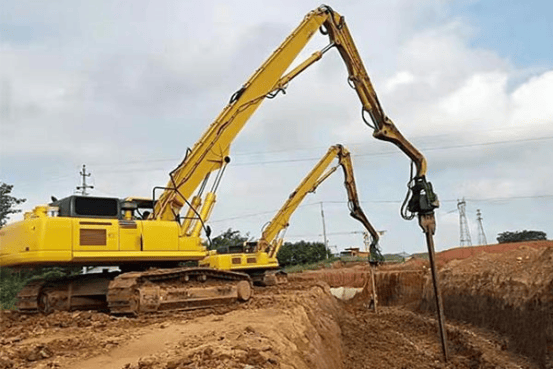
Engineers prioritize rigs that provide precise vertical alignment, controlled power, and stability under demanding site conditions. High torque, adjustable crowd force, and mast capacity allow safe handling of long drill bits and heavy tooling without overstressing components.
Mobility and rapid setup are critical when working in confined corridors or on temporary platforms. Everstar piling rigs offer adaptable configurations and compact footprints that support efficient operations while maintaining alignment, load control, and safety on complex construction sites.
Mast Capacity, Crowd Systems, and Rotary Power
High mast capacity enables safe handling of long kelly bars, heavy casing systems, and drill rods for deep piles. Strong crowd systems maintain steady penetration in dense or variable strata while preventing stalls and vertical deviations during drilling.
Rotary power determines the ability to drill large-diameter piles efficiently through mixed soils and hard rock. Adequate torque stabilizes the kelly and ensures consistent rotation, supporting precise drilling in demanding bridge foundation applications.
Casing Handling, Winches, and Tooling Interfaces
Smooth casing installation stabilizes loose soils and controls groundwater during pier foundation drilling. Auxiliary winches and dedicated casing handling systems reduce manual labor risks while supporting consistent advancement and extraction under challenging site conditions.
Tooling interfaces must accommodate core barrels, buckets, and full-displacement drilling tools for multiple pile types. Rig-tooling compatibility improves operational control, reduces downtime, and enables cost-effective execution across varying bridge construction projects.
Displacement Drilling
Displacement drilling methods, including full displacement augers, reduce soil removal and maintain bore integrity in sensitive areas as explained in the comprehensive rotary drilling rig guide. These methods minimize disturbance to surrounding soil, enhance the performance of end-bearing piles, and provide efficient load transfer in both soft soil and hard rock conditions.
Managing Risk and Quality in Bridge Drilling
Managing quality starts with rigs that provide precise verticality, stable torque, and controlled parameters under changing geological conditions, adhering to OSHA safety standards. Everstar drilling rigs offer controlled torque, stable crowd systems, and precise casing management, supporting repeatable performance and minimizing deviation or bore collapse.
Risk mitigation relies on predictable rig performance during each drilling task. Responsive rotary drives, stable crowd systems, and controlled drilling fluid circulation minimize deviation, prevent bore collapse, and protect structural integrity during deep shaft and large-diameter pile installation.
Quality assurance requires repeatable performance across varying soil profiles along the bridge alignment. Rigs must maintain consistent output despite groundwater fluctuations, soil stiffness, or obstructions, ensuring uniform load transfer and reliable end-bearing piles for the completed structure.
Working Over Water and Traffic
Bridge foundation drilling often takes place over rivers, wetlands, or adjacent to active roadways, where access constraints shape operations. Rigs must provide compact footprints, balanced load distribution, and stable undercarriage systems to operate safely on barges or temporary platforms.
Drilling operations over water imposes strict limits on vibration, spoil release, and positional drift. Rigs with precise casing control, accurate kelly configuration, and stable winch systems maintain alignment while minimizing disturbance to existing structures and navigation channels.
Traffic-adjacent drilling increases exposure near live infrastructure. Controlled rotation speeds, predictable torque response, and efficient rod handling reduce cycle time and operational risk without compromising pile geometry or load capacity during installing piles for highway bridges.
Slurry, Spoil, and Environmental Protection
Environmental management is critical where drilling fluids and drill cuttings can affect waterways. Slurry-based methods, such as reverse circulation drilling, stabilize loose soils under controlled pressure while transporting spoil safely to surface containment systems.
Effective spoil handling protects environmental compliance and preserves pile quality. Separation plants, sealed return lines, and controlled discharge points prevent contamination while maintaining bore cleanliness before concrete placement in drilled shafts or bored piles.
Foundation rigs with stable slurry circulation and precise casing control minimize soil inflow and base contamination. These capabilities enhance friction pile performance and long-term foundation reliability across variable geological conditions.
Regular Maintenance for Foundation Construction Rigs
Maintenance routines include lubricating moving parts and inspecting drill bits, casing systems, and hydraulic assemblies. Following drilling tools care practices supports safe operations, reduces unexpected failures, and maintains quality control during large-scale piling methods.
FAQs – Bridge Pile Drilling
What type of foundation is most suitable for bridges?
Bridge foundations typically use bored piles, drilled shafts, or driven piles depending on soil conditions and load requirements. End bearing piles transfer loads directly to firm strata, while friction piles rely on soil-pile interaction, with selection based on surrounding soil and geological conditions.
Continuous flight auger drilling is often preferred in soft or sandy soil to minimize disturbance and provide clean boreholes. For highway bridges and anchored deep piers, engineers select piling methods for their intended purposes, ensuring long-term reliability and safe load transfer.
How to drill bridge foundations over water?
Drilling over rivers or wetlands requires stable platforms and compact rigs to maintain alignment under constrained access. Temporary casing, precise kelly drilling, and controlled slurry circulation reduce positional drift while stabilizing soft soil near water bodies.
Reverse circulation methods help transport drill cuttings efficiently to surface containment systems, minimizing environmental impact. Rigs with stable crowd force and accurate rotary drilling rig capabilities maintain consistent performance near traffic or existing structures.
What quality checks are critical for bridge foundation shafts?
Quality control focuses on verticality, pile diameter, and bore cleanliness before pouring concrete. Regular inspections verify that casing, kelly bar configuration, and slurry circulation meet design specifications and comply with bridge engineering standards.
Additional checks include monitoring torque, crowd performance, and drill bit condition during each drilling task. Maintaining clean bore conditions and controlled spoil management ensures reliable load transfer, supports end bearing piles, and prevents long-term structural deficiencies in larger projects.
Conclusion: Selecting Bridge Drilling Rigs That Meet Structural and Environmental Demands

Choosing the right drilling rig is critical for safe and durable bridge pier foundations. High-performance rigs with precise vertical alignment, mast capacity, and controlled torque, including Everstar foundation drilling equipment, deliver predictable results under complex geological conditions.
Integrating advanced technology, stable slurry circulation, and efficient casing handling supports both environmental compliance and quality assurance. Proper planning, rig selection, and adherence to standard pile-driving methods ensure bridge foundations meet design loads, are durable, and perform reliably for highway bridges and large-scale projects.
Reach Out to Everstar for Tooling and Accessory Support on Bridge Projects
Contact Everstar to explore pile drivers, drilling tools, steel casings, and accessory options that complement high-performance bridge foundation rigs. Expert guidance on Kelly bars, hydraulic grab, and automatic placement ensures safe installing piles and optimized performance on the job site throughout the construction industry.

