

Key Takeaways
- Choosing the right water-, oil-, or synthetic-based mud ensures stable boreholes, optimal hydrostatic pressure, and efficient removal of cuttings.
- Segregating, reconditioning, and repurposing drilling fluids and cuttings reduces environmental impact and minimizes material waste.
- Proper equipment checks, fluid monitoring, and trained personnel prevent spills, maintain hydraulic energy, and support safe drilling operations.
- Adhering to local, state, and federal disposal, spill prevention, and record-keeping regulations ensures legal compliance and a sustainable foundation for drilling.
Proper management of drilling fluid supports safe and controlled foundation drilling. It keeps the borehole stable and maintains pressure balance, reducing operational risks and preventing issues caused by unexpected formation fluids behavior.
Effective handling also boosts efficiency throughout drilling operations. A dependable system minimizes waste, safeguards equipment, and keeps circulation clean, assisting teams in staying compliant with environmental and safety regulations at every stage.
In the oil and gas industries, drilling fluids help manage formation pressure and minimize the effects of crude oil pockets. Foundation drilling uses similar principles, relying on consistent fluid density and predictable mud rheology to maintain well control.
You can find in this article the best practices for selecting fluids, maintaining systems, using additives, and managing system control. Everstar’s approach focuses on consistent performance, clean circulation, and reliable handling of downhole conditions and hydraulic energy throughout the drilling cycle.
Composition and Types of Drilling Fluids
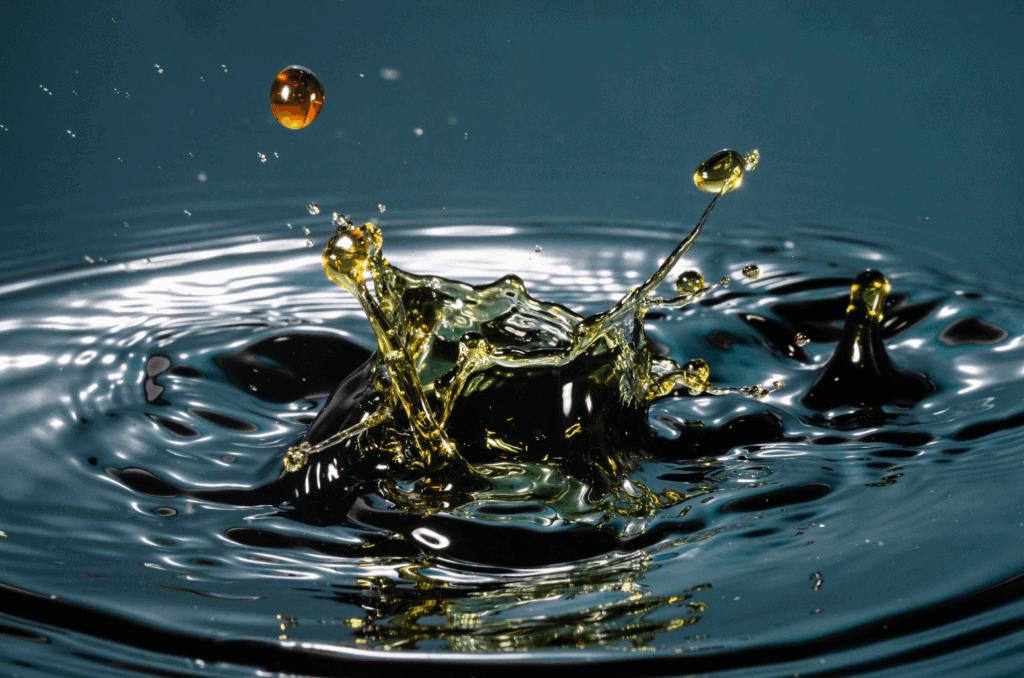
Drilling fluid—commonly called mud—flows down the drill string and exits at the bit. As it returns to the surface (returning mud), it carries cuttings while keeping a stable internal environment.
The fluid also cools and lubricates the drilling assembly. Stable circulation protects equipment, maintains borehole integrity, and supports consistent progress even in variable ground conditions, ensuring optimal performance of the foundation system. Below are the primary types:
Water-Based Drilling Fluids
Water-based fluids use fresh water, brine, or seawater as the base. Common additives such as bentonite create viscosity and help transport cuttings while maintaining borehole stability.
These systems are affordable and simpler to maintain. Their reduced environmental impact makes them a preferred option in areas with strict disposal regulations.
Oil-Based Mud
Oil based muds use mineral oil or diesel as the carrier fluid. Emulsifiers, wetting agents, and stabilizers maintain performance across temperature shifts and pressure variations.
They perform reliably in challenging formations, including areas with crude oil or natural gas. Controlled handling and disposal are necessary to avoid soil or groundwater contamination.
Synthetic-Based Muds
Synthetic drilling muds balance performance with reduced environmental impact. Their engineered base fluid supports stable flow and consistent continuous phase under demanding conditions without oil-based drawbacks.
These fluids are often selected for greater depths or technical drilling, maintaining predictable behavior and consistent fluid properties for smooth and controlled operations.
Gaseous Fluids
Gaseous systems use air, mist, or foam to move cuttings. They apply minimal downhole weight, improving penetration rates in permeable formations that do not require heavy fluid columns.
Various additives help stabilize foam and control moisture. These systems are uncommon in foundation drilling but are useful for shallow or low-pressure applications.
Everstar-compatible additives support viscosity control, fluid-loss management, and stable circulation, ensuring efficient transfer of hydraulic energy and consistent mud properties across variable soil conditions.
Role and Importance of Drilling Mud
Drilling mud is a mixture of water, clay, and other additives that help break down hard underground rock formations while preventing drill-bit overheating from friction. It also stabilizes the borehole, controls formation pressure, and carries rock cuttings to the surface.
Proper mud system selection maintains fluid density, optimizes cooling, and removes debris efficiently. Different drilling fluid systems adapt to soil types and underground conditions, reducing the risk of blowouts and equipment damage while ensuring safe drilling.
Fluid Additives and Recycling
Everstar-compatible additives include barite for weighting, bentonite and polymers for viscosity and fluid-loss control, and ph control agents to stabilize the mixture. These agents optimize fluid properties and enhance liquid drilling fluid performance.
Drilling operations generate large volumes of waste, including spent fluids and drill cuttings. These can pollute groundwater, affect soil, and disrupt ecosystems, making sustainable recycling essential.
Best practices for recycling drilling materials:
- Segregate waste streams: Keep water-based and oil-based fluids separate to prevent contamination and ensure stable performance during recovery.
- Thermal desorption for oil-based cuttings: Separate hydrocarbons from solids. Recovered mineral fractions may be reused as engineered fill, and extracted oil can enter industrial reuse streams.
- Reconditioning water-based fluids: Dilution, filtration, and chemical adjustments restore usability, reduce freshwater demand, and maintain stable fluid characteristics.
- Processing base oils: Refine isolated base oils for secondary industrial uses, reducing overall waste in large quantities.
- Repurposing cuttings: Water-based cuttings may serve as road base, structural fill, or landfill cover depending on composition and regulations.
- Closed-loop mud systems: Continuous cleaning and recirculation minimize hauling, improve site cleanliness, and maintain consistent solid form handling.
- Monitoring recycled fluid quality: Regular checks of density, viscosity, and solids content ensure safe reuse, maintain fluid stability, and support effective hole cleaning.
Effective Fluid Systems Strategies

Applying the principles of reduce, reuse, and recycle is essential to minimize environmental impact and maintain drilling efficiency. Strategies should include storage, monitoring, and disposal of drilling fluids.
- Storage: Fluids should be stored in leak-proof, sealed, and labeled containers. Designated areas prevent accidental spills and contamination of soil or water sources.
- Monitoring: Instruments and sensors ensure operational efficiency and compliance with U.S. Environmental Protection Agency regulations. Density, viscosity, and contamination levels should be tracked regularly.
- Disposal: Methods depend on fluid composition and local environmental laws. Solids may be sent to approved landfills, while liquids can undergo injection, land application, or other compliant processes.
Onsite Handling Procedures
Safe onsite handling requires trained personnel, proper equipment, and adherence to safety standards. For instance, Kelly drilling systems require careful monitoring and maintenance to ensure smooth operation and avoid equipment damage.
- Personal protective equipment (PPE): Gloves, goggles, and protective clothing prevent exposure to hazardous fluids.
- Controlled transfer: Pumps, funnels, and sealed hoses safely move fluids between tanks or mud systems.
- Equipment maintenance: Inspect pumps, valves, and tanks regularly to prevent leaks and maintain hydraulic energy transfer.
- Fluid property checks: Monitor viscosity, mud properties, and pressure drop during circulation to ensure stable drilling conditions and effective hole cleaning, as would be required in a deep oil well.
- Emergency protocols: Staff should know spill response procedures, including neutralization, containment, and cleanup.
Regulatory Compliance
Regulatory compliance makes sure that all drilling fluid activities follow local, state, and federal environmental laws. This safeguards ecosystems, prevents legal penalties, and promotes sustainable drilling practices.
- Legal disposal: Treat and dispose of fluids and cuttings according to approved methods. Transport waste to licensed facilities and follow landfill acceptance criteria.
- Spill avoidance: Implement secondary barriers, bunded areas, and emergency response kits. Immediate containment and neutralization prevent environmental release.
- Record keeping: Maintain logs of storage, monitoring, recycling, and disposal. Track fluid volumes, additive types, inspections, and corrective actions to support audits and reporting.
Troubleshooting and Everstar Support
Effective fluid management requires guidance when problems arise. Fluid loss, contamination, or instability can disrupt hole cleaning, affect fluid density, and raise environmental concerns. Everstar provides structured support to maintain safe and efficient drilling.
Common Challenges in Drilling Operations
Foundation drilling often encounters challenges such as lost circulation, wellbore instability, and mud contamination. Drill cuttings can accumulate or impair fluid performance. Improper disposal and mishandling of drilling fluid additives may cause operational delays and environmental hazards.
Everstar support resources, including detailed service manuals, on-site troubleshooting, and expert consultations, assist drilling contractor crews in quickly identifying root causes and implementing fixes to restore efficiency.
Preventive Maintenance
Regular routines improve fluid system performance, maintain pressure, and preserve the effectiveness of drilling fluid additives. Key steps include:
- Routine checks: Inspect pumps, valves, tanks, and piping. Document observations to anticipate failures and prevent stuck pipe situations.
- Equipment maintenance: Maintain seals, hoses, and mechanical components to prevent leaks, corrosion inhibitors loss, or inefficiencies.
- Fluid quality management: Test mud characteristics, viscosity, density, and contamination levels. Adjust additives or filtration methods as needed.
- Operator Training: Equip personnel with knowledge on fluid handling, drill string management, spill prevention, and emergency response.
FAQ: Drilling Fluids
What fluid types are best for foundation drilling?
Water-based muds are preferred for most foundation projects due to cost-effectiveness, easy maintenance, and lower environmental impact. Oil-based and synthetic muds are selected for challenging formations or deep drilling, as commonly used in an oil field, where precise hydrostatic pressure and consistent mud properties are critical.
How do I recycle drilling fluids onsite?
Recycling includes separating water-based and oil-based fluids, using solids control equipment like centrifuges or shakers, reconditioning water-based fluids, and processing base oils. Closed-loop systems allow continuous reuse, while monitoring mud properties ensures safe application and supports effective cleaning.
What’s the most common cause of mud problems?
Mud issues often result from contamination, improper additive use, or lost circulation. Inconsistent viscosity, unstable fluid density, or equipment malfunctions can reduce performance. Preventive maintenance, fluid monitoring, and Everstar guidance help prevent problems before they affect operations.
Conclusion: Optimizing Drilling Fluid Workflow
Efficient drilling fluid management ensures stable boreholes, precise fluid density, and reduced environmental impact. Following best practices in fluid selection, recycling, and onsite handling helps minimize formation damage while maintaining safety and operational efficiency.
Everstar supports every step with expert guidance, advanced new technology, and system monitoring tools to optimize drilling performance and sustainability.
Contact Everstar for Fluid Management Solutions
Consult Everstar specialists for guidance on fluid selection, additive use, total cost evaluation, system monitoring, and troubleshooting. Our experts provide site-specific recommendations, technical demonstrations, and ongoing support to optimize drilling efficiency, and ensure regulatory compliance.

