
Optimize your drilling performance with our guide on Kelly Bar selection. Learn how to choose between interlocking and friction designs, balance size and depth (up to 150m), and match high-strength materials like 35CrMo to your ground conditions for maximum rig stability and efficiency.
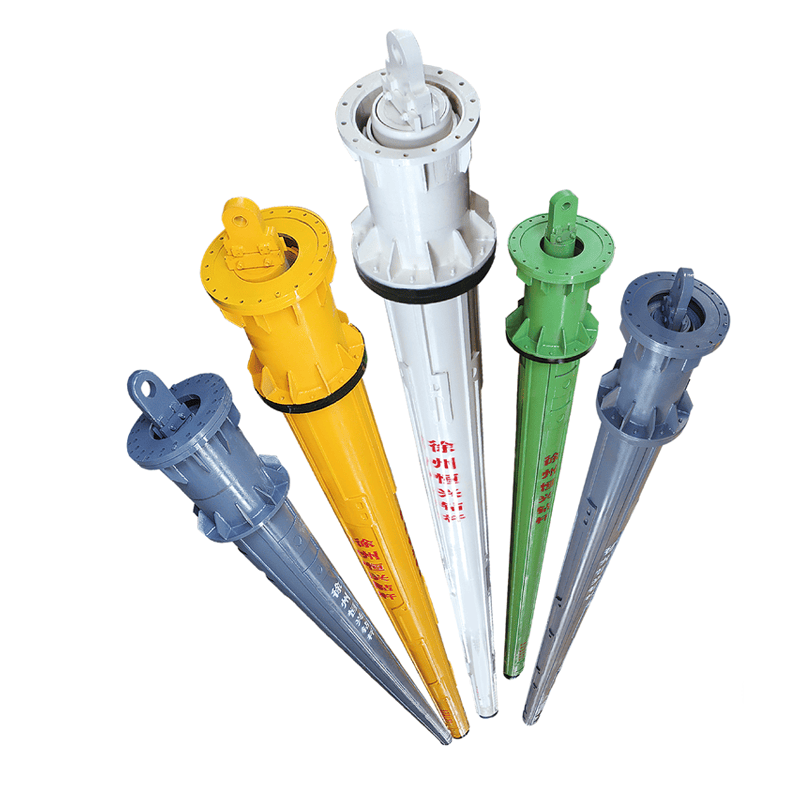
Introduction: Why Kelly Bar Selection Determines Drilling Performance
In modern foundation engineering projects the drilling kelly bar really holds court as the ‘heart and soul’ of a rotary drilling system. As the connection point between the rotary drive and drilling tool it has a huge impact on how well torque is transferred, how deep a well can be drilled, the speed of the construction process and how reliable the whole shebang is.
In modern foundation engineering projects the standard kelly bars really holds court as the ‘heart and soul’ of a rotary drilling system. As the connection point between the rotary drive and drilling tool it has a huge impact on how well torque is transferred, how deep a well can be drilled, the speed of the construction process and how reliable the whole system is.
Lots of contractors just pick a kelly bar type based on it’s size or making sure it’ll fit with their drilling rig, but that really doesn’t cut the mustard in terms of performance. Using a kelly bar that wasn’t carefully chosen can lead to all sorts of problems like drilling that isn’t up to par, gear that wears out too fast and maintenance costs that go through the roof. What you really need to do is pick one that’s been chosen based on the key engineering factors such as bar type, material strength, diameter, wall thickness, the number of sections and the actual geology you’re drilling into.
For a kelly bar drill rig getting the right setup will ensure that the kelly bar drilling operation stays stable, the drilling gets done faster and the equipment stays reliable even when you’re drilling in all sorts of different foundation environments.
1. Understanding Key Drilling Kelly Bar Parameters
1.1 Interlocking Kelly Bar vs. Friction Kelly Bar: Choosing the Right Transmission Structure
The first step in selecting a kelly bar is understanding the difference between an interlocking kelly bar and a friction kelly bar.
Interlocking Kelly Bar
An interlocking kelly bar uses mechanical locking systems, such as drive keys and mechanical locks, to transfer torque between telescopic sections. Because torque is transmitted through direct mechanical engagement, this design provides stronger torque transmission and higher crowd force capability.
The advantages include:
- Higher torque transmission efficiency
- Better performance under heavy loads
- Reduced slipping between sections
- Improved capability for hard rock drilling
For challenging drilling conditions, including basalt, granite, cobble layers, and dense gravel, heavy-duty interlocking kelly bars are usually the preferred choice.
Friction Kelly Bar
A friction kelly bar transfers torque through frictional contact between telescopic sections. Compared with mechanical locking designs, friction systems provide smoother operation and are commonly used for deep drilling applications where extremely high torque is not required.
Advantages include:
- Faster extension and retraction
- Simple operation
- Better suitability for deep soil drilling
- Reduced structural complexity
A friction kelly bar is commonly applied in soft clay, sand, silt, and other relatively stable soil conditions.
2. Diameter, Sections, and Length: How Structure Determines Drilling Depth
| OD Range | Sections | Length Range | Max. Drilling Depth Range | Typical Applications & Performance Features |
| Ø299mm – Ø406mm | 3/4 | 9m – 26m | Approx. 24m – 70m | The 3-section design offers higher rigidity, suitable for standard foundation engineering; the 4-section design balances strength and depth, widely used in commercial piling. Overall ideal for medium-depth drilling projects. |
| Ø440mm – Ø530mm | 4/5 | 9m – 26m | Approx. 85m – 114m | The 5-section design balances both depth and strength, commonly used in large-scale commercial piling. Overall ideal for medium-to-deep hole or relatively deep foundation operations. |
| Ø580mm – Ø630mm | 5/6 | 9m – 26m | Up to 150m | The 6-section design provides maximum drilling depth; the ultra-large OD delivers exceptional structural strength and torsional/bending resistance. Ideal for ultra-deep foundation engineering such as high-rise buildings, bridges, and offshore piling. |
One of the most important drilling kelly bar parameters is the relationship between outer diameter, section number, and drilling depth.
According to common Kelly bar specifications, available models range from:
- Outer diameter: Ø299mm to Ø630mm
- Sections: 3, 4, 5, and 6 sections
- Length: 9m to 26m
- Maximum drilling depth: 24m to 150m
A larger diameter generally means:
- Higher structural strength
- Greater torque capacity
- Better resistance against bending deformation
For example:
- Smaller diameter kelly bars around Ø299mm–Ø406mm are suitable for medium-depth drilling projects, with drilling depths approximately 24–70m.
- Medium-size models around Ø440mm–Ø530mm can achieve deeper operations, reaching approximately 85–114m.
- Large diameter models such as Ø580mm–Ø630mm with 5 or 6 telescopic sections are designed for ultra-deep applications, reaching up to 150m drilling depth.
The number of telescoping sections also directly influences drilling capability:
- 3-section kelly bars:
Higher rigidity
Suitable for standard foundation projects
4-section and 5-section kelly bars:
- Balanced depth and strength
- Widely used in commercial piling projects
6-section telescopic kelly bars:
- Maximum drilling depth
- Suitable for high-rise buildings, bridges, and deep foundation work
3. Material Grade and Wall Thickness: The Foundation of Durability
| Parameter Category | Common Specifications | Performance Features & Main Functions |
| High-Strength Steel Grades | Q355B steel, 25CrMo alloy steel, 35CrMo alloy steel | Provides higher tensile strength, fatigue resistance, and deformation resistance. Resists alternating torque, crowd force, bending stress, and impact vibration during rotary drilling to prevent cracking, twisting, and permanent deformation. |
| 16mm Wall Thickness | Carbon steel / Alloy steel | Features lighter dead weight, suitable for standard drilling conditions. |
| 20mm Wall Thickness | Carbon steel / Alloy steel | Delivers higher structural strength, better suited for heavy-duty conditions and hard rock drilling. |
A high-quality kelly bar requires more than a suitable dimension. Material quality determines its service life under repeated torque and impact loads.
Common high-strength materials include:
- Q355B steel
- 25CrMo alloy steel
- 35CrMo alloy steel
These materials provide:
- Higher tensile strength
- Better fatigue resistance
- Improved deformation resistance
During rotary drilling operations, the kelly bar experiences repeated:
- Torque loading
- Downward force
- Bending stress
- Impact vibration
Low-quality steel can cause cracking, twisting, and permanent deformation, especially in heavy-duty applications.
Wall thickness is another critical factor.
For example:
16mm wall thickness:
- Lower weight
- Suitable for standard drilling conditions
20mm wall thickness:
- Higher strength
- Better performance under heavy loads and hard rock drilling
A properly designed wall thickness provides the ideal balance between weight and strength, helping maintain drilling stability while reducing unnecessary load on the drilling rig.
4. Drive Keys and Guide Ribbons: Improving Wear Resistance
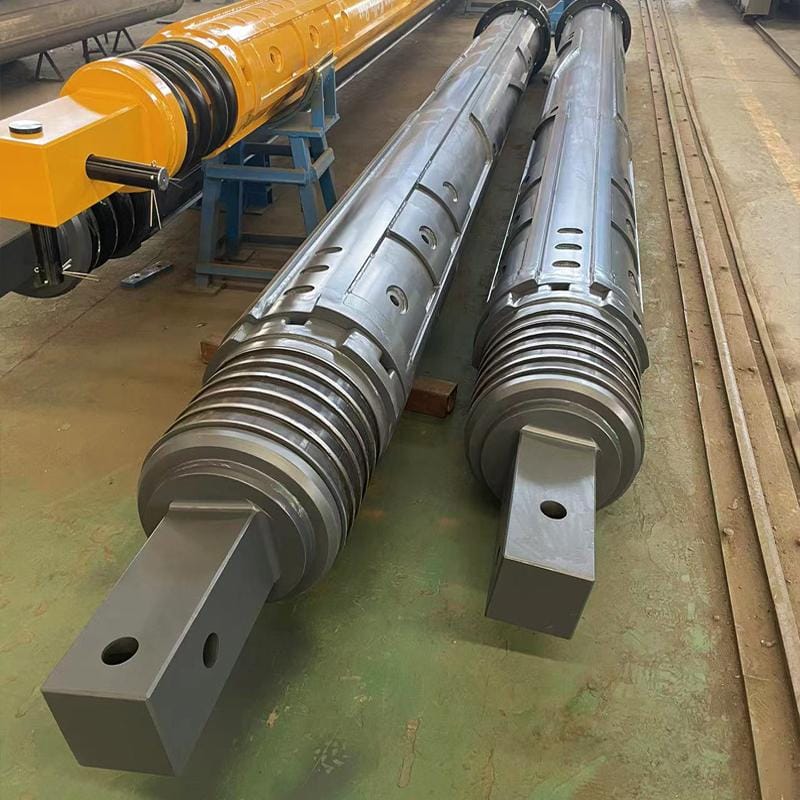
During continuous rotary drilling, the drive keys and guide ribbons experience repeated friction and impact.
High-quality kelly bars use:
- Wear-resistant steel
- Precision machining
- Advanced welding technology
These components ensure:
- Stable torque transmission
- Reduced section wear
- Longer service life
A wear-resistant kelly bar is especially important for demanding applications involving:
- Hard rock drilling
- Large diameter drilling tools
- Continuous deep foundation projects
Regular maintenance of drive keys and guide areas is also necessary to maintain long-term drilling performance.
5. Best-Fit Scenarios: Selecting Kelly Bars According to Ground Conditions
| Ground Condition | Required Depth | Recommended Kelly Bar | Key Parameter |
|---|---|---|---|
| Hard rock / cobble | Medium-high | Interlocking kelly bar | Wall thickness & key hardness |
| Soft clay / sand | Deep-ultra deep | Friction kelly bar | Section weight & steel elasticity |
| Mixed strata | Medium-deep | Heavy-duty interlocking kelly bar | Material grade (35CrMo) |
Scenario A: Hard Rock and Highly Weathered Strata
Typical Conditions:
- Basalt
- Granite
- Dense gravel
- Hard clay
Recommended Solution:
Heavy-duty interlocking kelly bars
Why?
Hard rock drilling requires:
- High torque
- Strong crowd force
- Maximum torque transmission
The mechanical locking mechanism prevents slipping and ensures efficient penetration.
Scenario B: Soft Soil, Sand, and Water-Bearing Layers
Typical Conditions:
- Sand
- Silt
- Soft clay
- Mudstone
Recommended Solution:
Multi-section friction kelly bars
Benefits:
- Faster drilling speed
- Greater drilling depth
- Smooth telescopic movement
These systems are ideal for projects where productivity and drilling speed are the priority.
Scenario C: Ultra-Deep Foundation Projects
Applications:
- High-rise building foundations
- Bridge piers
- Offshore piling
Recommended Solution:
5-section or 6-section specialized telescopic kelly bars.
Large diameter models, such as Ø580mm–Ø630mm designs, can achieve drilling depths up to approximately 150m.
These systems provide:
- Greater reach
- Stable torque transmission
- Reliable performance in deep foundation drilling
FAQs——Choices of the drilling equipment
How to choose the Right Kelly Bar for Your Drill Rig?
Deciding between an interlocking and friction kelly bar comes down to the conditions you’re drilling in. If you’re tackling hard rock, gravel, or weathered strata-the kind that’ll put your rig through its paces-then an interlocking kelly bar is probably your best bet. The interlocking design allows the rig’s full force and torque to be fed directly to the drill, making short work of the toughest bits.
But if you’re working in softer soils or taking on a deep clay-piling project where speed is key and you don’t need to be swapping tool sections all the time, a friction kelly bar is the way to go. It’s a more streamlined option that’s not only more efficient but also easier on the wallet.
What Matters Most When it Comes to Your Drilling Kelly Bar’s Lifespan?
To get the most life out of your kelly bar, keep an eye on three main factors: the type of steel you’ve used-you want something with a bit of heft, like a 25CrMo or 35CrMo alloy. The thickness of the tube itself; and how hard the drive keys and guide ribbons are. Skimp on any of those and you’re courting trouble-the harder you’re pushing the drill the more likely you are to see wear and tear on those contact points. Wear-resistant welding and some TLC in the heat treatment department can go a long way in stopping the rig from falling apart under the pressure.
Contact EVERSTAR for the High-quality equipment
The appropriate drilling equipment for the construction project will improve the drilling efficiency on site. Just Contact EVERSTAR for the high quality equipment, and experts will offer the appropriate purchase plan.

