
Key Takeaways
- Reading the specifications of drilling rigs correctly ensures that torque, crowd force, and depth align with project requirements for safe and efficient operation.
- Structural and mobility limits guide site setup, transport, and operational reach while maintaining stability and vertical alignment across every surface.
- Key components choices, including Kelly bars, casings, and drill collars, directly influence drilling efficiency, borehole stability, and load transfer.
- Everstar rigs and accessories integrate seamlessly with equipment, supporting control, safety, and reliable performance in complex foundation projects, and are equipped for demanding applications.
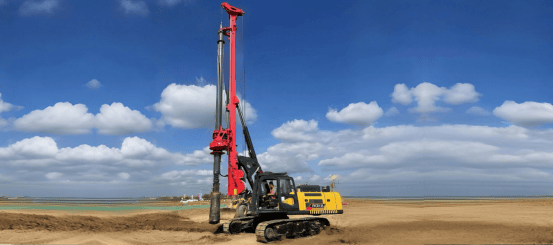
Heavy foundation projects in oil, gas, and mining often require deep foundations and underwater applications. Drilling rigs provide the mechanical capacity for rotary drilling, ensuring stable foundations in challenging ground and location conditions.
Understanding the specifications of drilling rig is essential for matching equipment to project requirements. Specifications indicate capability, mobility, and design limits, guiding safe and efficient operation within project constraints.
However, when working with Everstar rigs and accessories, contractors integrate seamlessly with drilling equipment. This article explains why specifications matter and how interpreting them properly supports better equipment selection, planning, and operational performance in complex foundation work.
Core Performance Specifications
Core performance specifications define a rig’s ability to deliver torque, rotational speed, and crowd force while maintaining drilling efficiency. For example, rotary torque of drilling rigs for small structures typically ranges from 40 to 300 kN·m, with rotational speeds between 5 and 45 rpm depending on soil conditions and rig size.
Other critical specifications include engine power, mud pump pressure, and drill string capacity. Drilling fluid circulation rates and pump pressures are essential to remove cuttings effectively, maintain borehole stability, and support continuous operation under high-pressure conditions.
Key Components Ensuring Safe and Effective Drilling
The drill string, drill collars, Kelly bars, drill bit, rotary table or top drive, mud pumps, drilling fluid systems, mast, undercarriage, and outriggers each contribute to smooth and controlled drilling. Proper integration allows heavy loads to be handled safely while maintaining vertical alignment throughout complex foundation projects.
Drill String: Backbone of the Rig
The drill string transmits torque and crowd force from the rotary table or top drive to the drill bit, ensuring penetration and stability. Correct assembly and maintenance allow the rig to perform efficiently across varied soil and rock conditions.
Torque, Speed, and Crowd Force
Torque drives the drill bit through resistant formations, while rotation speed balances penetration rate and tool wear. Crowd force provides downward thrust through the drill string to maintain consistent penetration, with typical values of 80-220 kN for a heavy-duty rotary drilling rig used in complex geology for medium- to large-sized projects.
Proper coordination of torque, speed, and crowd ensures efficient drilling and reduces mechanical stress. These performance parameters help operators adapt to different soil layers, rock formations, and borehole diameters without compromising control or safety.
Maximum Drilling Depth and Diameter
Maximum drilling depth and diameter are set by structural limits, drill string strength, and rotary drive capacity. As an example, compact rigs may reach 15–30 m depths with 1000 mm diameter bores, while larger rigs can exceed 50 m and handle diameters up to 2500 mm depending on ground conditions.
Tooling choices, including drill collars and stabilizers, influence real-world capacity by ensuring load transfer and borehole alignment. Proper selection reduces deviation, maintains verticality, and supports safe cuttings removal at all depths.
Efficient Drilling Operations
Drilling activities coordinate torque, crowd, rotation, and fluid circulation to maintain borehole integrity. Proper management ensures efficiency across variable soil layers and rock formations while following OSHA guidelines for high-pressure and deep drilling.
Structural and Mobility Specifications

Structural and mobility specifications affect site setup, transport, and operational reach. Mast height, rig weight, and overall footprint determine clearance requirements, transport planning, and safe working envelopes, while ensuring the rig can operate effectively in confined or challenging sites, as with Everstar equipment.
Undercarriage design, track width, and slope capabilities influence stability and travel across uneven terrain. Rigs suited for heavy foundation work typically incorporate outriggers and wide tracks to maintain vertical alignment and resist tipping under operational loads.
Mast Height, Weight, and Working Envelope
Mast height defines the maximum reach of the drill string and the clearance for surrounding structures. Typical heights range from 10 to 20 m, accommodating deep foundation work, while rig weight affects ground-bearing pressure and transport logistics.
The working envelope describes safe operational zones and reach angles. Accurate assessment prevents conflicts with nearby equipment, allows efficient positioning, and ensures drilling activities can be conducted safely without compromising productivity.
Undercarriage, Stability, and Travel
Track width, frame rigidity, and outrigger systems determine stability during drilling and relocation. Wide undercarriages and robust frames support the rig under torque and crowd loads, while slope limits guide safe operation on uneven terrain.
Travel speed and grade capability influence repositioning efficiency. Rigs optimized for construction sites maintain stability and alignment during movement, minimizing downtime and ensuring safe handling of heavy components.
Matching Specifications to Project Requirements
Matching rig specifications to project needs starts with bore design, including depth, diameter, and expected soil or rock conditions. Proper evaluation ensures that torque, crowd force, and rotational speed are adequate, and Everstar rigs are developed to perform reliably across diverse field project requirements.
This process also considers structural and mobility constraints, reducing operational risk and maximizing efficiency. Selecting rigs suited to project demands ensures the full range of rig functions, safe drilling, and effective material handling, in addition to integrated tooling solutions designed for the industry job site.
Translating Bore Design into Rig Needs
Pile depth, diameter, and geology determine mechanical requirements such as torque and crowd force. For instance, deeper or denser formations demand higher power output and robust drive systems to maintain penetration rates and prevent stalling.
Mud pumps and drilling fluid circulation must support cuttings removal and downhole pressure control. Correct fluid management maintains borehole integrity and complements the rig’s performance envelope across varied ground conditions.
Considering Tooling, Accessories, and Power Units
Considerign key segments such as customizable Kelly bars, casings, collars, and drill bits from Everstar must align with rig performance capabilities to achieve target depths and diameters. High strength steel components are critical for torque transfer, crowd support, and structural integrity during operation.
Everstar products and accessories are designed to integrate with rigs, supporting control, reliability, and operational efficiency. These tools complement engines, power units, and hydraulic systems, ensuring the rig can operate effectively across diverse foundation projects.
FAQs – Rotary Drilling Rig Components
What are the components of a rotary drill rig?
A rotary drill rig consists of several key components, including the drill string, drill pipe, drill collars, Kelly bars, drill bit, and rotary table or top drive. These elements transfer torque and maintain penetration force efficiently.
Additional systems include mud pumps, drilling fluid circulation, the mast, undercarriage, and outriggers. They ensure stability and proper alignment, supporting safe handling of heavy loads and consistent drilling performance across varied site and ground conditions.
What is the rotary system of a drilling rig?
The rotary system provides rotational energy to the drill bit, enabling penetration through soil and rock formations. It includes the rotary table or top drive, drill string, and drill collars, coordinating torque, rotation speed, and crowd force for effective drilling.
This system works together with mud pumps and drilling fluid circulation to remove cuttings and maintain borehole pressure. Proper understanding of the rotary system ensures efficient energy transfer, consistent penetration, and minimal tool wear.
How do tooling and Kelly bar choices affect required rig specs?
Tooling selection, including Kelly bars, casings, drill pipe, and collars, determines the mechanical requirements for torque, crowd force, and engine power. Heavier or longer tooling increases load on the rotary system, affecting drilling depth, penetration rate, and overall efficiency.
Matching tooling to bore design and ground conditions ensures proper load transfer, vertical alignment, and borehole stability. Accessories from Everstar are designed to integrate with rigs, supporting safe operation, efficient cuttings removal, and optimal performance across different soil and rock types.
Conclusion: Using Rig Specifications to Make Confident Equipment Choices

Understanding drilling rig features allows engineers and contractors to select equipment that safely meets project requirements. By analyzing torque, crowd force, drilling depth, and tooling capacity, teams can optimize performance, reduce mechanical stress, and ensure stable foundation construction in challenging conditions.
Integrating knowledge of structural and mobility limits ensures rigs operate efficiently across diverse sites. Choosing the right drilling tool for rotary rigs helps maintain control, reliability, and operational execution throughout the drilling process.
Ask Everstar for Help Interpreting Rig Specs and Tool Compatibility
Consult Everstar experts for assistance matching Kelly bars, casings, and drilling tools to your rig specifications, ensuring safe and efficient operation. Additional technical resources, including product information and catalogues, are available on the Everstar website to support informed planning and selection.

