
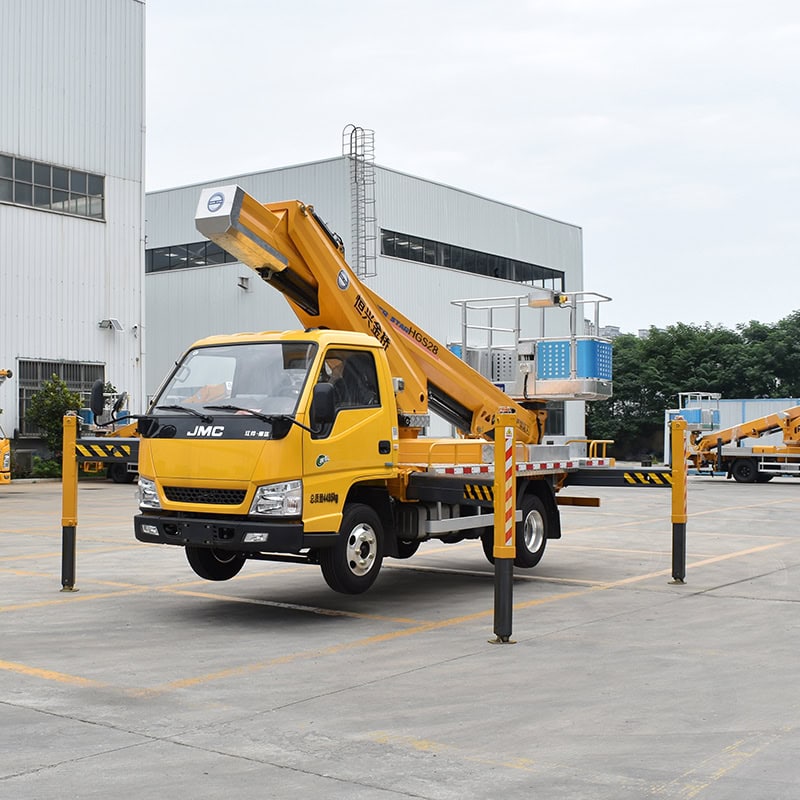
- Correct pad sizing reduces ground pressure during aerial platform operations.
- Pad materials influence durability and resistance, especially under variable soil types.
- Load, psi, and bearing capacity calculations help determine suitable pad dimensions, measured in psi per square inch .
- Routine inspections prevent sinking and corner deformation, improving field stability.
- Everstar guidance supports safe force distribution for bucket trucks and digger derricks.
Key Takeaways
Accurate selection of an outrigger pad defines how safely an aerial lift, crane, or bucket truck can stabilize during field work. Pads exist to spread the load across enough square inches to prevent soil from sinking, deforming, or breaking under force.
Choosing the correct pad thickness and material ensures predictable contact even when soil types change from compacted surfaces to sand to moisture-affected mud.
Everstar combines practical field observations with engineering criteria based on load distribution, bearing capacity, and pressure calculations.
In real construction jobs, the right pad prevents early ground deformation and maintains control across varied conditions. OSHA guidance reinforces the need to avoid excessive bending or instability caused by undersized pads, especially during rigging operations.
Material Options and Pad Construction
Material selection heavily influences pad behavior. Wood remains common for light or temporary work, but its sensitivity to moisture and chemicals limits reliability over time.
Composite and HDPE pads offer better resistance, keeping stiffness under heavy loads and resisting wear outdoors. HDPE pads also remain waterproof, which is crucial when the ground becomes saturated.
Steel pads remain the most reliable choice, usually used when cranes or concrete pump trucks exert several tons of concentrated force through a single outrigger.
However, steel’s weight limits mobility and increases operator strain. Everstar generally recommends composite and HDPE pads for aerial lifts due to their consistent thickness, controlled bending, and predictable stabilization across mixed soil types.
Common Outrigger Pad Materials
Wood pads offer accessibility but lose structural stiffness after repeated pressure cycles. Composite pads offer a strong balance of resistance and weight, helping keep deformation low.
HDPE pads deliver excellent wear resistance and withstand chemicals found on construction sites. Steel pads support high-force conditions but significantly increase load handling during transport.
Everstar prioritizes composite and HDPE materials for bucket trucks, digger derricks, and aerial lifts because they maintain stability during shifting loads.
Impact Resistance and Weight Considerations
Operators balance impact resistance with ease of handling. Heavy pads resist bending, but excessive weight can reduce mobility and cause fatigue. HDPE offers strong durability with a manageable weight, enhancing everyday use deployment.
When soft soil demands additional support, teams may combine pads with cribbing or mats to increase effective thickness and create a wider float across unstable surfaces.
Sizing, Capacity, and Safety Principles: Calculating Square Inches
Correct outrigger pad sizing requires understanding how the load meets the soil. Operators begin by calculating load weight per outrigger, then dividing by pad area in square inches to determine PSI.
This PSI value is compared with the expected ground bearing capacity. If PSI exceeds safe limits, operators increase pad length or width, or reinforce the surface using cribbing.
Soil conditions can vary widely. Clay, sand, gravel, and mud each respond differently to pressure. Soft or wet ground requires larger pads to prevent sinking. Hard-packed soil or concrete supports higher psi but still requires proper alignment so stabilizers sit fully supported.
The goal is predictable force transfer under the outrigger during rotation, lifting, or shifting, regardless of the ground conditions.
Sizing Methods for Work Platforms
Sizing methods typically follow the formula load ÷ area = PSI. Operators compare PSI to soil bearing capacity and adjust accordingly. When conditions feel uncertain, some crews apply simple rules of increasing pad area on softer ground.
Others use the square root method to estimate minimum dimensions for safe pad sizing. Everstar, as an equipment manufacturer, aligns sizing recommendations with machine charts for stabilizers, ensuring pad dimensions remain stable during lift cycles.
Safety Pad Use and Compliance
After sizing, operators confirm that the stabilizers and pads are in level contact. OSHA guidance emphasizes that pads must support the equipment without deformation, underscoring the need for proper thickness and well-distributed blocking.
Everstar also advises checking pad corners, cribbing alignment, and soil compaction before applying the load. Edges must not float or shift, since uneven support reduces bearing capacity and risks breakage.
Site Assessment and Field Application Across Soil Types
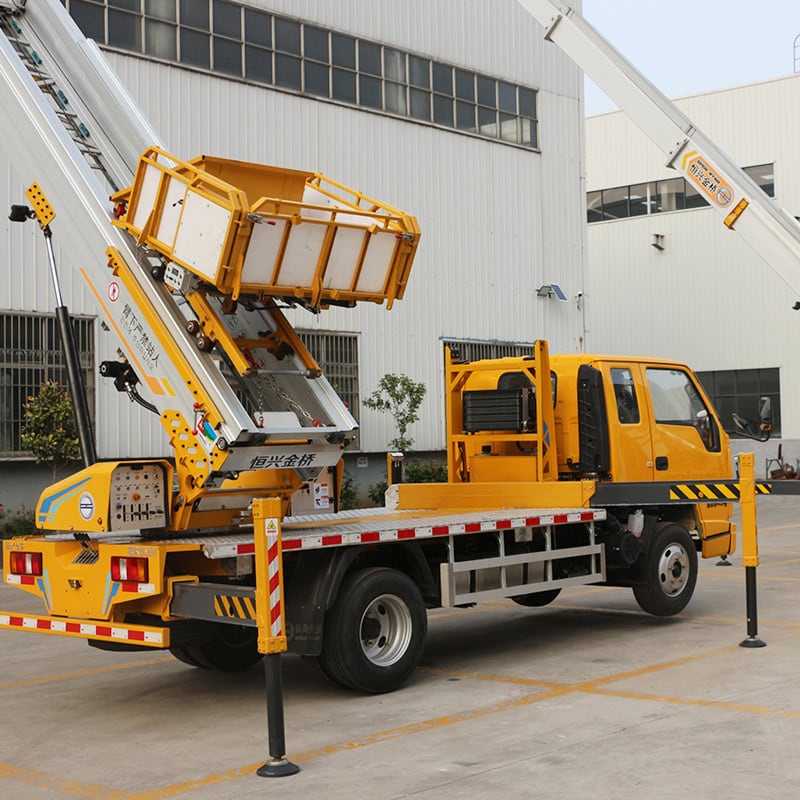
Every setup begins with evaluating how soil types respond to applied force. Hard soil provides strong resistance, whereas wet mud collapses easily under concentrated PSI.
Sand and gravel may shift under pressure unless pads distribute the load widely enough to maintain stability. Weather changes, especially rain, can reduce bearing capacity, requiring larger pads or additional support.
Operators also consider the ground level and the presence of slopes. A slight incline affects load distribution and increases the need for correct pad placement and blocking. Proper pad deployment maintains stability when equipment rotates or elevates at varying load angles, minimizing risk.
Ground Condition Assessment
Before positioning pads, operators check for soil firmness, moisture, and compaction. Mud, saturated sand, or soft clay produce low bearing capacity and require larger pads or mats to reduce PSI.
Concrete or compacted gravel, for example, provides a more substantial base but still benefits from pad deployment to prevent concentrated force from damaging the surface. If sinking begins during early loading, crews immediately increase the pad size or add cribbing.
Routine Inspection and Maintenance
Outrigger pads endure stress cycles, friction, chemical exposure, and weather. Regular inspection identifies wear, cracks, thinning, bending, or material damage that reduces the load-pounds capacity.
HDPE pads resist chemicals and moisture well, while wood degrades faster outdoors. Steel pads withstand heavy force but need rust and surface checks. Maintaining pad integrity reduces the risk of deformation or breakage during field operations.
FAQ – Aerial Work Platform Pads
How do I choose the right outrigger pad material?
Material choice depends on strength and conditions. Composite and HDPE pads work for most aerial lifts, digger derricks, and bucket trucks because they resist moisture, chemicals, and wear. Wood fits temporary setups, while steel supports extreme loads. The point is that soil type, weather, and expected PSI should guide material selection to ensure stable ground contact throughout the job.
What size pad is needed for my aerial lift?
Pad size depends on load and soil capacity. Operators calculate PSI by dividing load weight by pad area in square inches, then comparing this value with the ground bearing capacity. Soft soil requires wider pads to reduce pressure. Everstar charts help define correct thickness, pad width, and cribbing combinations for cranes, aerial lifts, and bucket trucks working across variable soil conditions.
How often should outrigger pads be inspected?
Pads should be inspected before each setup. Weather, soil contact, and repeated force exposure gradually affect material performance. As a rule, operators check for cracks, bending, wear, or chemical damage. HDPE pads maintain integrity longer, but all materials require consistent evaluation. Identifying weakened corners or reduced thickness prevents sinking and keeps load distribution reliable during operations.
Conclusion: Choosing Safe and Suitable Outrigger Pads

Selecting outrigger pads for aerial work platforms involves evaluating load weight, soil types, pad thickness, and pressure distribution. When operators calculate PSI, check bearing capacity, and choose durable materials, pads maintain reliable stability across construction environments.
Everstar supports this process with engineered recommendations and supporting materials that reduce sinking, corner deformation, and structural stress for cranes, concrete pump trucks, aerial lifts, and digger derricks.
Get Everstar’s Pad Sizing and Safety Consultation
Everstar provides specialized guidance on pad sizing and force distribution, helping teams verify pad dimensions, assess soil types, and improve blocking practices.
The first step when working with aerial work platforms is to contact Everstar’s specialists for accurate outrigger pad selection and safe setup procedures.

