

Key Takeaways
- Drilling rigs rely on careful planning to avoid delays, safety risks, and load-related issues during transport.
- Mobilization combines site preparation, routing, permitting, and selecting the best trailer for weight distribution.
- Transport execution depends on real-time tracking, predictable unloading, and field-tested procedures.
- Demobilization reduces site disruption, supporting pile driving, drilling, and construction continuity.
- Dedicated logistics agent support helps maintain compliant, controlled movements of rigs and drilling equipment.
Rig movement has always been a critical stage in foundation work, especially when drilling rigs shift from one site to the next. A smooth transition protects personnel, reduces downtime, and keeps the drilling rig transport process predictable.
A structured engineering approach, similar to what is applied to high‑performance drilling equipment, ensures that every stage, from load calculations to routing, supports safety, efficiency, and operational continuity.
In large construction programs, from exploratory drilling and shallow-water support to oil and gas work, pile-driving rig mobilization becomes even more strategic.
Weather conditions, site access, ground stability, and compliance influence how pile drivers, rotary drilling rigs can move, so field‑proven planning and controlled execution shape the process of transporting heavy equipment between sites.
Mobilization Planning and Preparation
Mobilization begins long before trucks or trailers arrive. Engineers and project managers carefully plan each movement, assessing ground access, soil conditions, site layout, and load limits for every component.
When pile driving rigs are mounted on platforms or require auxiliary cranes, the equipment list expands, making staged preparation essential. Documentation covers routing, permits, transportation compliance, and weight clearances for trailers carrying rigs, compressors, mud pumps, hydraulic equipment, and other gear.
A clear staging plan keeps the operation from becoming time-consuming and helps crews develop predictable sequences.
Pre-transport Site Assessments
A thorough evaluation of the job site confirms the turning space, the required entry height, soil capacity, and where trailers can safely maneuver. Engineers check slopes, surface conditions, and whether recent weather conditions demand reinforcement.
Long-distance hauling or muddy roads require realistic expectations, nothing exaggerated, only what operators truly see in the field.
Route selection also considers mobilizing additional equipment, cargo limits, municipal permits, and potential challenges with bridges and narrow corridors. For drilling rigs that operate in remote exploration zones or gas wells, this step prevents setbacks.
Permitting and Safety Documentation
Legal transportation of rigs, heavy equipment, accessories, and drill components depends on updated paperwork: oversize load approvals, state escort requirements, and regional environmental rules, aligned with guidelines from the International Association of Drilling Contractors (IADC).
Structured checklists covering safety, control, and field compliance help avoid surprises on offshore rigs, land rigs, shallow-water routes, or movements involving barges.
Mobilization Equipment and Accessories for Drilling Equipment
Choosing the best trailer depends on weight, frame length, center of gravity, and how the rig’s main parts distribute the load. Low-bed trailers, modular units, and extendable decks support rigs, towers, machinery, rotary systems, mud pumps, pumps, and compressed air units.
Cranes, jacks, and secure locking mechanisms ensure components are safely mounted. Properly engineered rigging ensures control and protects sensitive drilling equipment from damage.
Transport Execution and Onsite Delivery of Heavy Equipment
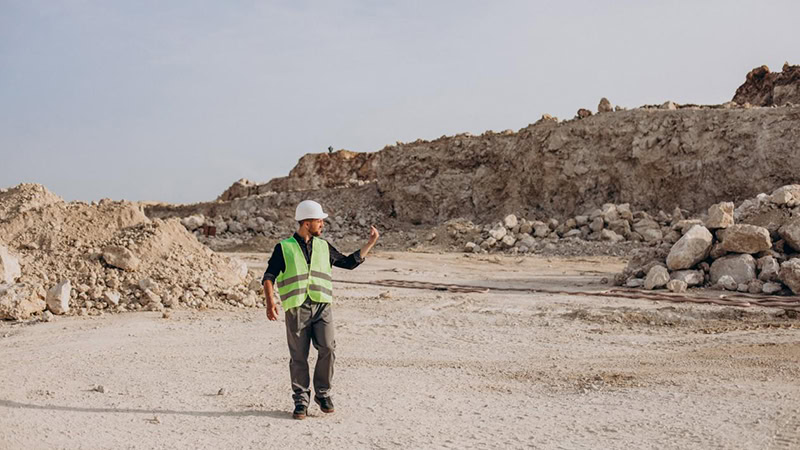
Once mobilization starts, the transport sequence follows a precise timeline. Coordinating trucks, drivers, escorts, and field crews helps crews operate efficiently.
Since transporting heavy equipment involves unpredictable factors traffic, weather conditions, or tight urban infrastructure, real-time communication becomes essential.
Scheduling and Tracking for Pile Driving and Drilling Operations
Modern tracking tools can monitor transport, speed, and route progress. Dispatchers receive notifications, ensuring the process remains stable from departure to site arrival.
This system not only allows flexible control for equipment transportation but also supports the mobilization of drilling rigs, heavy equipment, generators, hydraulic power packs, and components used in pile driving, exploratory drilling, or structural construction.
Arrival / Unloading Protocols with Double Acting Stabilizers
Controlled unloading reduces risk. Crews verify the ground, confirm weight distribution, and secure stabilization points. A sequence aligned with clear standards prevents sudden shifts, protects personnel, and keeps the operation compliant, following safety practices recognized by OSHA.
With double acting stabilizers, cranes, and trained personnel, the transportation handoff runs smoothly.
From the moment trailers stop, work teams must emphasize in safety, hydraulic checks, and testing to help ensure pile drivers, rotary drilling rigs, and associated equipment can operate immediately at the new drilling site.
Demobilization and Project Wrap-up
Rig demobilization often demands the same precision as mobilization. After drilling or pile driving activities reach required depth, crews perform removal and packing without disrupting the site.
This step becomes especially important on urban job site where infrastructure surrounds the operation.
Demobilization Sequences
Disassembly follows a strict order: accessories first, tower components next, machinery last. This avoids unnecessary challenges, protects the equipment, and supports predictable transport back to storage or another project location.
Well‑defined demobilization sequences reduce the time-consuming aspects of teardown and maintain stable control across the operation.
Equipment Cleaning and Inspection
Before loading, rigs, drilling equipment, heavy equipment, and accessories undergo detailed cleaning.
Inspections also check double-acting cylinders, structural points, and mechanism components.
Thorough cleaning and inspection extend equipment lifespan and prepare rigs, such as rotary drilling rigs and pile driving machines, for the next transport cycle.
FAQ – Pile Driving Rig Mobilization
What permits are needed for rig transport?
Oversize transport permits are generally required, including municipal escort approvals, weight-clearance documentation, and routing authorizations for trailers carrying rigs and heavy equipment. Projects crossing state lines may need additional permits covering environmental compliance and local roadway restrictions.
How to minimize downtime during mobilization?
Downtime drops significantly when planning begins early, with accurate routing, staged loading areas, and coordinated arrival of trucks, cranes, and accessories. Tipically, using a dedicated logistics agent improves timing, reduces inefficient movements, and ensures the new drilling rig site is fully prepared through access checks, soil reviews, and safety verification before equipment arrives.
What safety checks should be performed before and after transport?
Crews must confirm load security, verify hydraulic and structural components, test double-acting cylinders, and ensure braking, lights, and tie-downs meet standards. At arrival, teams inspect ground stability, re-check connections, and conduct functionality testing of the rig and ancillary drilling equipment.
Conclusion: Ensuring Safe, Efficient Rig Movements

Predictable rig movement depends on accurate staging, compliant routing, foundation rig transport, and consistent field practices.
With Everstar’s engineering support for machines such as pile drivers and rotary drilling rigs, crews can maintain safety, reduce downtime, manage weight distribution, and ensure clean transitions across varied site conditions.
Contact Everstar for Rig Mobilization Planning
Everstar assists companies that need tailored drilling and pile driving equipment, along with basic guidance on rig selection and deployment for mobilization and demobilization planning.
For professional advice on selecting suitable pile drivers, rotary drilling rigs, and related equipment to support your mobilization and demobilization plans contact Everstar’s engineering team.

