
Key Takeaways
- Snow removal attachments transform compact wheel loaders and backhoes loaders into efficient, cost-effective winter maintenance machines capable of dealing with clearing snow.
- Tools like snow buckets, snowblowers, and snow throwers help fleets adapt to varying snow depths, road widths, and site conditions.
- Selecting the right attachment to urban streets, rural roads, or parking lots improves safety and reduces clearing time, helping crews complete snow removal jobs more quickly and efficiently.
- Pre-season setup, in-storm planning, and post-storm inspections are essential for machine uptime and operator safety.
- Everstar-compatible attachments offer durable, versatile solutions for building flexible winter road maintenance fleets.
Winter road maintenance demands a backhoe snowblower attachment that performs reliably under harsh, unpredictable conditions. Heavy snowfall, ice buildup, hard packed snow, and freezing temperatures create constant pressure on municipalities and contractors to keep roads, streets, and sidewalks safe.
Moreover, safety agencies such as the Occupational Safety and Health Administration (OSHA) emphasize that selecting the right tools is crucial for reducing risks, preventing downtime, and protecting workers during winter operations.
While traditional dedicated snowplow vehicles offer strong clearing power, they also come unable with high ownership costs and limited year-round use. As a result, many teams are turning to backhoes equipped with snowblower attachments as a flexible, cost-effective solution.
With a proper set of attachments, such as snow buckets, snow throwers and backhoe snow blower options, these machines can quickly shift from everyday tasks to high-performance snow removal. This versatility not only boosts fleet efficiency but also allows operators to adapt to changing storm conditions.
Additionally, Everstar attachments further expand these capabilities. Built for durability and quick installation, they benefit crews to fine-tune their machines for specific winter challenges, whether they’re clearing snow in narrow urban streets, long rural roads, or wide commercial open areas.
This page article will guide you through the main types of snowblower equipment, how to match them to different site conditions, and the best practices for operating a winter-ready fleet.
Types of Snow Removal Attachments
Snow removal attachments allow backhoes and loaders to handle different winter conditions efficiently. The main categories include snow throwers, snow buckets, and snow blower attachments for backhoes, loaders, and compact wheel loaders.
Each type has advantages depending on snow depth, road layout, required clearing speed, and whether the snow can be scooped up and left to the sides or needs to be moved farther away.
Snow Shovel and Snow Thrower Features
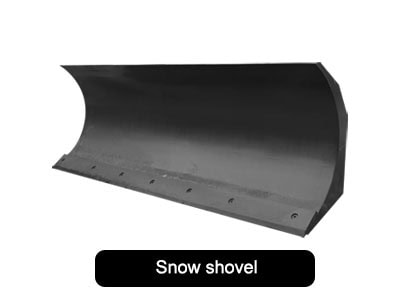
Snow shovels attachments mimic manual shovels’ lifting and stacking function but on a bigger scale, enabling operators to lift, carry, and pile snow efficiently during heavy snowfall.
Backhoe loaders are engineered to be equipped with powered snow shovels. These can be mounted in front or on the loader end to scoop up snow and propel it away from sidewalks and driveways with controlled distance and discharge.
Other attachments in the market refer to snow buckets for lifting, carrying, and stacking snow, especially in areas where snow needs to be relocated off-site or piled high, such as depot yards. Their wide, plow-like scoop design allows for quick, efficient, large-scale snow removal.
Pushers, on the other hand, cover wide paths quickly and are best for large open areas with moderate to heavy snowfall, offering fast clearing with minimal spillage, and the strength to deal with heavy weight. Blades, either straight or V-shaped, provide versatility on roads and streets, handling packed snow and variable widths while giving operators precision for curb-to-curb clearing.
Altogether, these attachments are designed for both pushing and scooping, allowing crews to clear sidewalks and driveways as requested.
Snow Blower Attachments for Compact Backhoes

Snowblower attachments are ideal in regions with heavy, frequent snowfall or when operators must relocate snow rather than push it aside. Gas-powered snow blowers offer more power for deeper, heavier snow, making them ideal tools for medium to large driveways.
They work exceptionally well at clearing snow in narrow streets, alleys, and urban routes with limited space for stacking. Snowblowers can throw snow up to 45 feet and are designed to clear driveways, alleys, and sidewalks.
These attachments, including snow thrower attachments, are designed for clearing depth, heavy-duty use, and high snow loads, making backhoes’ applications durable and reliable in harsh snow-clearing conditions.
Matching Equipment to Road and Site Conditions
Choosing the right combination of backhoe machines and attachments can be key to efficiently managing winter operations. When planning, municipalities and contractors need to factor in road width, traffic patterns, and snow depth to decide which tools will perform best.
Clearing Snow in Urban Streets, Rural Roads, and Parking Lots
On narrow city streets, compact backhoe loaders fitted with snow blades or snow throwers provide the maneuverability needed to work around curbs, parked cars, and compact job sites. Out on rural roads and highways, larger loaders with broad buckets handle long, snow‑packed stretches of higher total weight more effectively.
In parking lots and broad commercial areas, snow buckets quickly move large volumes, pushing snow to the sides and allowing tall stacking when storage space is limited.
Dealing with Ice, Slush, and Hard Packed Snow
Ice requires blades with cutting edges to break through hard-packed snow layers before de‑icing materials are applied. Slush should be cleared quickly with blades or pushers to avoid refreezing and rutting.
When conditions are mixed, repeated passes combined with de‑icing and the use of sand or salt help maintain snowblowers traction and keep surfaces safer during extended storms.
Operational Best Practices for Clearing Depth
Today, efficient winter road maintenance depends on solid planning, a focus on safety, and keeping equipment ready. Following clear operational routines to master bakchoe controls helps crews respond quickly to storms, reducing risks and downtime.
Pre-season Setup and Testing
Ahead of winter, check all machine features and attachments for wear or damage. Make sure buckets, throwers, or snowblowers are mounted securely, and a thorough review of the hydraulic connections is essential. Provide operator training on safe attachment use, effective snow removal techniques, emergency procedures.
These preseason inspections and drills reduce breakdowns and improve response times once storms hit.
In-storm Operations and Post-storm Cleanup
During active snow events, rotate crews and equipment strategically to maintain coverage and prevent operator fatigue. Plan shifts to maximize uptime while ensuring safety. After clearing, inspect attachments and equipment for damage, wear, and hydraulic leaks.
Clean machines to prevent corrosion and perform minor maintenance before storage. These steps maintain fleet reliability and prepare teams efficiently for the next work.
FAQs – Snow removal equipment
Which snow attachments work best for backhoe loaders?
The proper backhoe attachment depends on snow depth, road type, and site size. Buckets are useful for scooping up snow to move or stack, while blowers are ideal for deep drifts or tight spaces. Snow blades and pushers are effective for clearing streets quickly by breaking up and pushing snow to the sides or away from the site.
Many fleets rely on a mix of these tools to stay flexible and efficient, with Everstar options providing quick installation and dependable performance.
What’s the difference between a snowblower and a snow thrower?
A snowblower uses an auger and an impeller to scoop and blow snow through a chute, making it ideal for heavy, deep snow and larger areas. A snow thrower, typically single-stage, only uses an auger to lift and throw snow forward, best for light snow and smaller spaces. In short, Everstar’s backhoes attachments such as snowblowers handle bigger jobs, while snow throwers are simpler and lighter-duty.
When should I use a snowblower instead of a bucket or pusher?
Snowblowers are the better choice for heavy snowfall, narrow streets, or areas where snow is unable to be stacked. They cut, lift, and throw ice material away from the cleared surface, making them especially useful in urban settings, alleys, or sites where piles cannot be left nearby because they would block traffic. Snowblowers also make it easier to relocate material off‑site or load it into trucks, keeping roads clear during long or repeated storms.
How do I prepare my equipment for the winter season?
Before winter arrives, inspect machines and attachments for wear and damage. Securely mount blades, pushers, buckets, or blowers and check hydraulic systems. Train operators on how to safely operate a backhoe, snow removal techniques, and emergency procedures. Routine maintenance, fluid checks, and test runs before storms help ensure equipment remains reliable, minimize downtime, and keep fleets ready for rapid response when winter weather hits.
Conclusion: Building a Flexible, Efficient Snow Removal Fleet
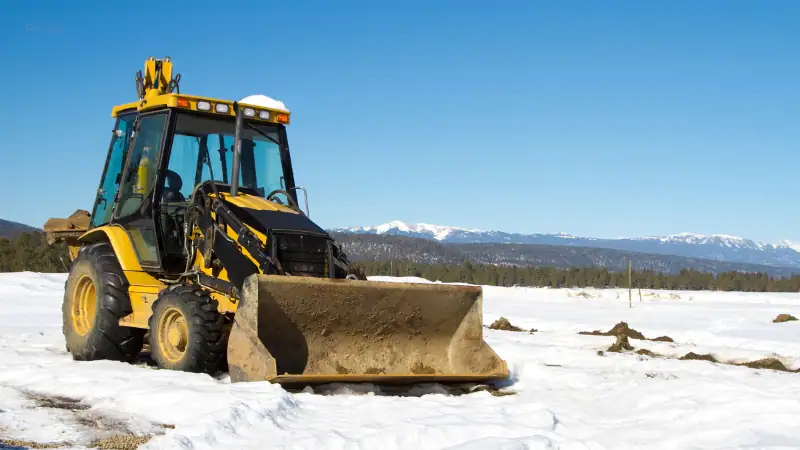
A winter‑ready fleet starts with the right mix of compact machines, features, and attachments. Outfitting backhoes and loaders with buckets, trhowers and snowblowers gives municipalities and contractors the versatility to handle any work conditions from tight city streets to wide highways and expansive parking areas.
Everstar attachments make it simple to tailor equipment to specific challenges, delivering reliable performance, faster clearing, and safer roads all season long.
Contact Everstar for Backhoe Attachment and Expert Advice
To improve winter maintenance, submit an email to Everstar for expert guidance on selecting the right snowblowers for your backhoe. Our team can help you in build a flexible review, high‑performance fleet with the right features for your site conditions, snow volumes, and operational goals, ensuring your equipment is prepared to handle every work. We are one click away.

