
Key Takeaways
- Proper solar tracking foundation design ensures accurate panel rotation and maximizes energy production.
- Understanding ground conditions is essential for selecting the right pile type and installation method for stable, durable tracker systems.
- Using precise engineering practices guarantees correct alignment, load distribution, and long-term construction integrity of solar farms.
- Tailored pile installation procedures reduce rework, maintain safety, and optimize performance across different soils and project scales.
Solar pile drivers are specialized machines designed to install foundation posts for solar panel systems. Proper planning and tracking of solar pile installation ensure precise, stable foundations for efficient energy generation across diverse soil conditions.
Tracker foundations differ from fixed-tilt systems as they support moving torque tubes. Everstar Solar Pile Drivers handle 3–6 m piles, providing accurate installation for long tracker rows, critical for maintaining alignment, structural stability, and consistent solar output.
This article covers tracker foundation design, pile selection and installation, quality control, site assessment and common issues. Using Everstar equipment ensures safe, timely, and cost-effective completion for utility-scale solar farm projects.
Tracker Foundation Design Fundamentals
A tracker for solar pile installation drives steel posts to support single- or dual-axis tracker systems. Piles ensure proper torque tube alignment, load transfer, and structural stability, forming the foundation for reliable, long-term energy generation.
Design considerations include row spacing, pile depth, and embedment. Single-axis trackers rotate east to west; dual-axis systems adjust tilt for optimal sun exposure. Correct design accommodates ground conditions, project timelines, and minimizes ground disturbance.
Industry data from the U.S. Energy Information Administration (EIA) highlights trends in solar power deployment and tracks growth in utility-scale projects. Integrating this insight into project planning helps teams anticipate energy output, align timelines, and make informed engineering decisions for solar tracker piles structures.
Load Paths, Row Geometry, and Soil Conditions
Tracker loads are transmitted through traditional piles into the ground, and accurate row geometry distributes weight evenly, reduces stress, and protects bearings. Assessing ground conditions guides pile selection, embedment depth, and driving method.
Medium soils, soft soils, rocky layers, and mixed ground conditions influence pile driving profile and accessory choice. Tailored structure ensures stability, reduces rework, and maintains safety and consistent tracker performance across the solar farm.
Diverse Soil Conditions
Sandy, clay, or mixed ground require specialized piles, and ground screws ensure firm anchoring in unstable layers. Heavy-duty drivers, pre-drilling, and compaction techniques allow precise installation while avoiding excessive grading and soil disturbance.
Challenging Sites and Extreme Weather
High winds, snow, or frost create lateral forces that can bend or shift piles. Everstar drivers deliver controlled torque and pressure, ensuring correct embedment, alignment, and long-term performance and stability.
Pile Layout and Tolerances for Trackers
Pile spacing, alignment, and elevation tolerances are essential for torque tube operation, and string lines, reference stakes, and laser tools help maintain row straightness. Small adjustments correct misalignment and achieve uniform heights, supporting reliable tracker performance and long-term solar output.
Selecting Piles and Everstar Pile Drivers
Matching the right pile type with the appropriate pile-driving equipment ensures project efficiency. Proper selection of solar pile drivers is crucial for stable foundations and reliable performance across varying soil conditions and project scales. Everstar Solar Pile Drivers models deliver fast, precise installation, minimizing labor costs and downtime.
Common Pile Profiles for Cost Efficiency
C-shaped piles suit drilling foundations in sandy soils and medium tracker rows, while H-shaped piles handle heavier torque tubes or tough weather. Tubular piles excel in rocky layers or deep embedment situations, maintaining consistent alignment and structural stability.
Solar racking systems are feasible to use alongside Everstars solar pile drivers, providing standardized mounting solutions. This complements pile structures for solar panels, ensuring efficient and compliant tracker installation.
Choosing Everstar Pile Drivers for Tracker Projects
One pile driver machine handles many jobs. Everstar small and mid-size solar pile drivers match 3–6 m piles, achieving daily production targets with minimal rework. Their compact design suits flat or slightly sloped land, ensuring precise verticality, right angles, and efficient installation for utility-scale or large-scale solar projects.
Pile drivers adapt to difficult soil conditions, handling light to heavy loads. Versatile accessories enable crews to install screw piles or ground screws quickly, maintaining structural integrity and project timelines while reducing environmental impact and the resources used for each solar farm installation.
Step-by-step Solar Tracker Pile Foundation
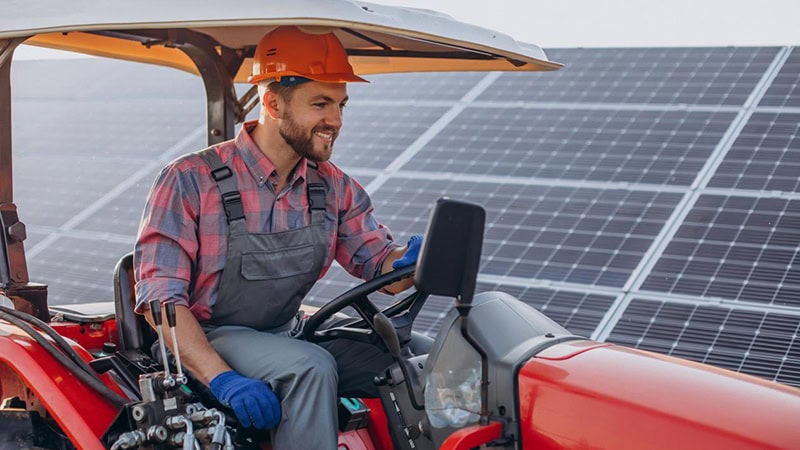
Solar field construction starts with a site assessment, positioning piles using string-line or laser guides, and may require pre-drilling for compacted or rocky soils. Equipment setup and safety checks ensure stable and aligned installations.
Installation Process
The installation process involves careful sequencing and monitoring to ensure alignment, embedment, and structural integrity. Following these steps helps crews maintain efficiency and safety on diverse and challenging sites:
- Verify layout and place reference stakes.
- Drive piles sequentially with hydraulic or mid-size drivers.
- Monitor plumb and embedment depth, adjusting for rocky ground.
- Post-driving checks confirm torque tube support, row straightness, and verticality.
- Follow sequencing to reduce rework and minimize environmental effect.
- Apply tailored solutions for each site to maintain consistent solar output.
Pre-drilling, Alignment, and String-line Setup
Survey teams establish reference points, string lines, and laser guides for precise row positioning. Pre-drilling may be required in compacted soils or rocky ground. Correct angles are maintained to support tracker movement and structural stability.
String-line setups reduce deviation risks, and laser tools verify elevation and embedment depth. Regular checks ensure compliance with design specifications, load capacity, and array technologies, preparing the site for efficient solar tracker operation.
Driving, Checking Plumb, and Cut-off
Piles are driven with controlled impact to maintain verticality, and crews monitor stroke frequency and power settings to manage diverse soils and heavy loads. Height adjustments guarantee uniform pile heads for mounting structures.
Top trimming completes pile installation to ensure consistent head heights for torque tubes, and frequent verticality checks prevent leaning or twisting. Proper driving angles support single- or dual-axis trackers, protecting equipment and enabling reliable solar power generation.
Quality Control and Common Issues
Quality control ensures long-term tracker stability. Operators verify pile placement, alignment, and embedment depth to prevent rework and maintain consistent solar output.
Common issues include pile refusals, leaning, twisting, and misalignment. Timely corrections protect tracker functionality, reduce delays, and maintain load capacity without compromising safety or cost-effectiveness.
Handling Refusals, Rock Layers, and Misalignment
If piles encounter rock layers or dense soils, crews may pre-drill or adjust driving force, and misaligned or twisted piles can be re-driven, replaced, or adjusted using Everstar tools to maintain proper alignment. Following these procedures reduces downtime and prevents long-term structural problems.
Monitoring hydraulic strikes and embedment depth ensures consistent pile stability, and crews follow tailored solutions for challenging sites, extreme weather, or heavy loads. Accurate handling maintains tracker row geometry, minimizes risk, and supports cost-effective solar tracker installation.
Documentation, As-built Records, and Handover
Recording pile depths, positions, and any deviations ensures compliance and project transparency. As-built records provide critical information for EPC teams and owners, confirming structural integrity, alignment, and adherence to job timelines.
Handover documentation includes maintenance recommendations, safety checks, and verification of torque tube support. Comprehensive records support future inspections, project audits, and operational efficiency, helping maintain power output targets and ensure overall site reliability.
Maintenance and Safety
Regular maintenance of pile drivers, including lubrication, inspection, and part replacement, ensures equipment longevity. Following safety protocols, such as using protective equipment, maintaining hazard awareness, and adhering to proper workflow, keeps performance consistent under heavy loads, in diverse soils, and in difficult weather.
FAQs – Tracker Foundation
What is tracking in solar installation?
Tracking allows solar panels to follow the sun’s movement across the sky, maximizing energy production. Single- or dual-axis trackers rely on properly installed piles to maintain alignment, torque tube performance, and durable functionality of the mounting structure.
How deep should solar tracker piles be installed?
Pile depth depends on soil type, load requirements, and tracker system design. In general, piles can range from approximately 1.5 m to 6 m, with looser or sandy soils requiring deeper embedment and rocky or firm soils needing shorter but reinforced piles.
Proper depth ensures torque tube alignment, prevents leaning or settlement, and maintains long-term tracker performance. Everstar Solar Pile Drivers allow precise control of embedment depth and verticality, ensuring structural stability and correct alignment even in challenging terrain.
How accurate must pile alignment be for solar trackers?
Alignment must keep torque tubes straight and bearings within tolerance. Small deviations can reduce efficiency and risk structural issues. Using string lines, laser tools, and careful site evaluation, ensures precise row geometry and minimal soil disruption.
Conclusion: Delivering Reliable Solar Tracker Foundations with Proper Pile Installation
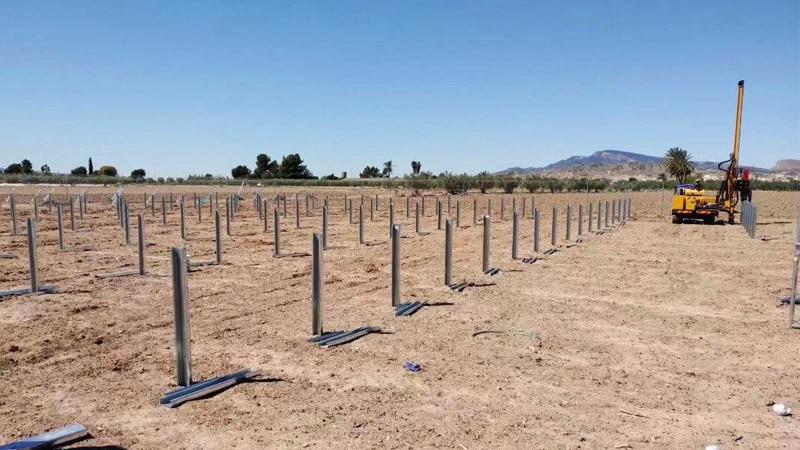
Careful tracker foundation design, pile selection, and field installation create stable solar mounting systems. Everstar Solar Pile Drivers enable foundations with long-term stability, minimal ground disturbance, and consistent performance, meeting the specific project needs of the solar industry.
Following structured procedures and using appropriate pile profiles prevents rework, supports heavy loads, and maintains energy production. Proper alignment, embedment depth, and safety measures ensure efficiency, structural integrity, and cost-effective construction across different soils and utility-scale or large-scale solar farms.
Contact Everstar for Solar Tracker Pile Driving Solutions
Contact Everstar experts to select the right solar pile drivers, accessories, and training for upcoming tracker projects. Explore solutions, site-specific guidance, and resources for quick installation, durable performance, and reliable solar power across all project scales.

