
Key Takeaways
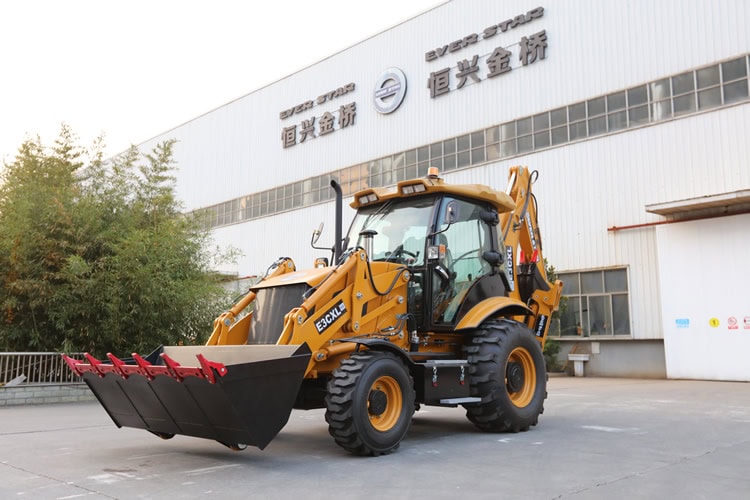
- A backhoe loader combines a front loader and a digging arm in one machine, making it the go-to choice for multiple tasks such as digging, lifting, and loading.
- A tracked excavator delivers superior digging power, greater stability on muddy ground, and more efficient large-scale excavation.
- Trackhoes offer greater lifting capacity, making them ideal for heavy lifting or demolition tasks.
- The backhoe debate often comes down to mobility: backhoes are typically wheeled, travel on paved surfaces, and move between different locations without a trailer.
- Understanding your working conditions, digging depth requirements, and terrain is key to choosing the right tool before committing to heavy equipment.
Choosing between a trackhoe and a backhoe is one of the most common decisions on any job site, yet it’s often made on instinct rather than facts. This article provides buyers and site managers with a clear, honest comparison based on real-world working conditions.
At EVERSTAR, the focus is on backhoe loaders and related construction equipment, so this guide will show that backhoes win on versatility, transport, and multi-purpose use across a wide range of construction projects.
Trackhoes win on raw, heavy-duty digging power and performance in challenging terrain. Knowing the key differences helps you put the right machinery to work from day one.
Machine Layout: Key Differences in How Trackhoes and Backhoes Are Built
Each design creates a distinct set of strengths and trade-offs that shape every decision on site.
Tracked excavators (trackhoes) are built for stability and large-scale excavation, thanks to their continuous tracks and 360-degree rotating cab.
They also offer greater lifting capacity, making them suitable for heavy lifting and demolition tasks. Backhoes, on the other hand, combine a loader bucket in the front and a digging arm in the back, providing versatility for smaller jobs and tight spaces.
Undercarriage, Swing, and Stability for Better Stability on Rough Terrain
A tracked excavator is built around a rotating upper structure mounted on a steel track undercarriage. This layout gives the machine a 360-degree swing, low ground pressure on muddy ground and soft soil, and better stability on steep slopes.
The entire machine can pivot to load trucks or reposition the digging arm without moving the undercarriage, which is a big difference on tight or uneven ground.
Backhoes rely on rubber tires and deployable outriggers for stability during digging. On firm, level ground, typical of most urban settings and general construction sites, this setup is entirely adequate.
The outriggers lock the machine in place for deep trenching or foundation work. However, on challenging terrain or steep slopes, a tracked machine holds a clear structural advantage.
Loader Bucket and Road Speed: The Dual Functionality of Backhoes Feature
Where backhoes feature a decisive edge is in their dual functionality. The front loader bucket handles loading trucks, material moving, grading, and land clearing, while the rear digging arm handles trenching and drainage work.
This dual functionality means one operator can perform diverse tasks across the construction site without switching machines. As a result, backhoes can efficiently handle multiple tasks such as digging, lifting, and loading, making them ideal for projects with diverse activities.
Most backhoes are wheeled, which means they can reach road speeds up to 25 mph and travel on paved surfaces between locations under their own power.
This significantly reduces transport costs compared to a tracked excavator, which always requires a lowboy trailer.
Matching Machine to Construction Projects, Terrain, and Job Site Conditions
The right machine for your next job depends heavily on your working conditions and the mix of tasks you face daily.
Utility and Urban Work: When Backhoe Loaders Win as the Right Machine
In utility work, urban settings, and general construction, backhoe loaders consistently outperform single-purpose machines.
A single backhoe can handle digging trenches for utilities, loading spoil into trucks, backfilling, and light transportation of materials across the construction site, all in one shift.
In tight spaces such as residential areas and urban rehab projects, the wheeled design and compact footprint of many backhoes make them easier to maneuver than standard excavators.
For medium-sized projects and mixed-task construction projects, the loader function alone often justifies the machine.
Considering Mini Excavators for Smaller or Specialized Jobs
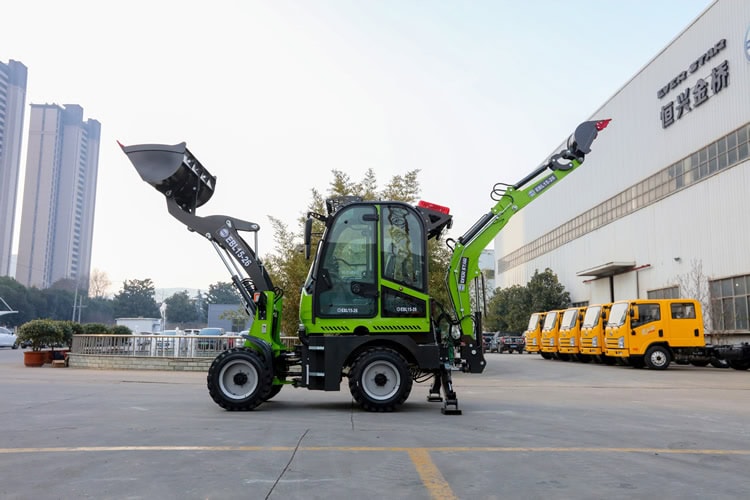
When your construction projects call for precision in tight spaces or urban settings, a mini excavator can be the right machine for the job. Unlike larger equipment, mini excavators are designed to deliver heavy-duty digging power while maintaining a compact footprint, making them ideal for residential areas, landscaping, and foundation work where access is limited.
Mini excavators excel in situations where standard excavators or backhoe loaders might be too large or cumbersome. Their agility and maneuverability make them perfect for navigating around obstacles and working efficiently in confined areas.
For contractors looking to perform a range of tasks on smaller or specialized construction projects, mini excavators provide a versatile, cost-effective solution that bridges the gap between compact size and robust performance.
Productivity and Cost: Construction Equipment Value Beyond Digging Power
Raw digging power is only one part of the equation. For most contractors, productivity depends on how many tasks a machine can handle and how much it costs to keep it moving.
One Multi-Purpose Machine vs Several Specialized Pieces of Heavy Equipment
A backhoe loader configured with the right attachments becomes a multi-purpose machine capable of handling most tasks on medium-sized projects. This reduces the number of pieces of construction equipment on site, lowers fuel burn, and cuts idle time.
A trackhoe, by contrast, typically needs a separate front loader or wheel loader for material handling and loading trucks.
On larger projects, this is standard practice, but for small- and mid-scale jobs, it adds equipment needs, transport costs, and scheduling complexity. Many backhoes can cover the entire job cycle.
Maintenance and Repair: Keeping Your Equipment Running Smoothly
By investing in proper upkeep and timely repairs, you not only extend the lifespan of your heavy equipment but also minimize downtime and control operating costs. Staying proactive with maintenance ensures your machines deliver reliable performance, no matter how demanding the job site.
Visibility, Controls, and Comfort for Loading Trucks and Deep Trenching
Backhoe operators work in two directions: forward for the loader function and reverse for the digging arm, which demands spatial awareness but provides good sightlines for loading trucks and working near traffic.
The latest models feature improved cab ergonomics and ROPS-certified enclosures that reduce fatigue on long shifts.
Safety Considerations for Trackhoe and Backhoe Operations
Proper operator training is essential not only for efficient operation but also for preventing accidents, especially when working on muddy ground, on steep slopes, or in areas with overhead hazards.
Regular safety inspections are a must to ensure that all systems are functioning properly and that critical components such as brakes, lights, and warning devices are in good working order. Personal protective equipment (PPE) should be worn at all times, and operators must follow established safety protocols, including those set by OSHA and other regulatory bodies.
By fostering a culture of safety and vigilance, you reduce the risk of incidents and create a healthier, more productive environment for everyone involved, whether you’re tackling large-scale construction projects or smaller residential jobs.
Decision Framework: Selecting the Right Machine for Material Handling
Choosing between a trackhoe and a backhoe can be challenging, especially when each project has unique demands.
EVERSTAR Machinery will provide you with a practical framework to evaluate your specific job-site conditions, project scale, and equipment needs, ensuring you select the right machine to maximize productivity and efficiency for your next project.
FAQs – Trackhoe vs Excavator vs Backhoe
Is a backhoe or trackhoe better for a mixed excavation and loading job?
For jobs that combine both digging and loading trucks, a backhoe loader is typically the better choice. Its dual functionality—front loader for material handling and rear digging arm for trenching—means one machine can perform diverse tasks without support equipment.
Can a backhoe replace a trackhoe on small demolition projects?
In many cases, yes. Many backhoes fitted with hydraulic hammers can handle light demolition, concrete breaking, and debris loading on small construction projects. The loader function makes cleanup faster than a trackhoe alone. For heavy-duty demolition or work on very soft or uneven ground, a tracked excavator with greater digging power and better stability is the safer, more efficient right machine.
Which machine is easier and cheaper to move between job sites?
Backhoes are significantly easier and more affordable to move. Because they are typically wheeled and road-capable, they can travel short distances between locations under their own power, eliminating the need for trailers.
Choosing the Machine That Matches Your Next Job Conditions
The trackhoe vs backhoe decision is about which machine matches how you actually work. If your projects involve changing locations, mixed loading and material handling, urban settings, and tight spaces, a backhoe loader delivers outsized value.
It handles the wider range of tasks that define most medium-sized projects without the transport overhead of heavy equipment.
If your work involves large-scale excavation, muddy ground, and heavy-duty digging, a tracked excavator is the right tool. Base your choice on terrain, travel distance, attachment needs, and budget.
Talk With EVERSTAR About Backhoes and Attachments for Your Fleet
Ready to configure the right machine for your next job? Contact us today and share your typical construction projects, travel distances, and equipment needs with the EVERSTAR team.

