
Discover 10 common causes of solar pile driver downtime, from hydraulic failures and oil contamination to drilling blockages, improper operation, and poor jobsite conditions.
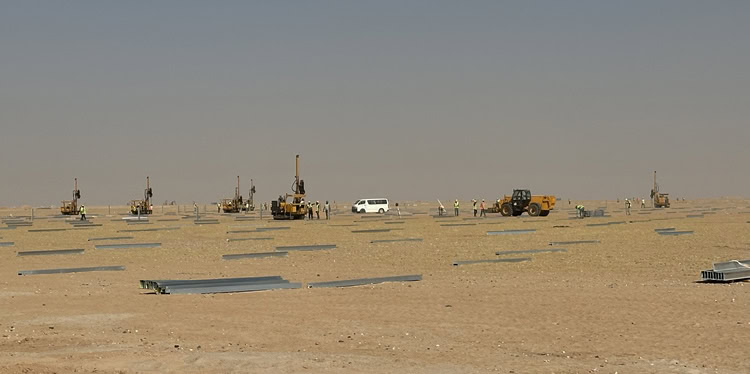
Key Takeaways
- An analysis of 10 common faults can help customers make a preliminary diagnosis and minimize losses caused by downtime.
- An efficient and reliable solar pile driver can operate effectively in harsh weather and complex geological conditions, ensuring stable and secure foundations while helping solar power plant projects stay on schedule and within budget.
- High-performance, high-quality solar pile drivers significantly improve the speed, precision, and efficiency of foundation construction for large-scale solar power plants.
Solar piling machine
In the fast-growing renewable energy sector, the solar industry relies heavily on high-performance machinery to construct massive foundations for solar farm projects. Among all equipment, the solar pile driver plays a vital role in accelerating pile driving and pile installation on complex sites. Designed with advanced technology and high quality materials, a modern solar piling machine offers the capacity, power, and speed required for large installations.
Investing in a top-tier solar pile driver provides significant benefits and advantages, such as superior precision, operational efficiency, and long-term durability. These features ensure that solar installations consistently meet strict project specifications, rigorous industry standards, and demanding project requirements, making it a highly cost effective solution for modern solar development.
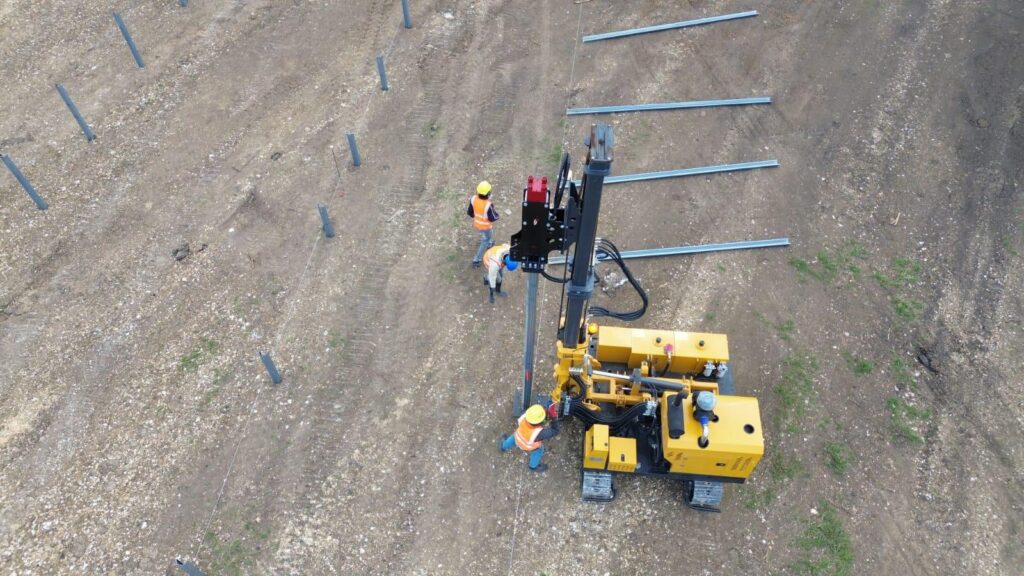
1. Insufficient Pre-Operation Inspection
Starting work without checking the machine can allow minor problems to develop into unexpected equipment failures.
Loose bolts, damaged pins, fluid leaks, low oil levels, worn belts, and loose electrical connections may affect machine performance during operation. If these issues remain undetected, operators may need to stop work for emergency repairs.
How to troubleshoot and prevent downtime:
Before starting the machine, inspect bolts, nuts, pins, hydraulic hoses, electrical connectors, switches, and operating levers. Check engine oil, coolant, fuel, and hydraulic oil levels. Look for leaks around the hydraulic system and verify that essential components are in proper working condition.
A consistent pre-operation inspection helps identify potential problems before they interrupt pile installation.
2. Low Fuel Supply or Fuel Contamination
An inadequate fuel supply can interrupt engine operation, while contaminated fuel may cause starting difficulties or irregular engine performance.
Dust, water, and sediment entering the fuel system can affect fuel delivery and contribute to filter blockage. These problems may lead to unexpected stops and delays on the jobsite.
How to troubleshoot and prevent downtime:
Monitor the fuel gauge and refill the tank before the fuel level becomes critically low. Keep fuel clean during storage and refueling, and prevent dirt or water from entering the tank.
Inspect and maintain fuel filters according to the manufacturer’s recommended schedule. Drain accumulated water and sediment from the fuel tank when required.
3. Hydraulic System Pressure Loss
The hydraulic system provides the power needed for important machine functions. Insufficient hydraulic pressure can reduce the performance of the hammer, rotary head, and feeding system, making pile installation less efficient.
Potential causes include worn hydraulic pump components, internal pump leakage, low hydraulic oil levels, loose pipe connections, and malfunctioning relief valves.
How to troubleshoot and prevent downtime:
Check the hydraulic oil level and inspect hoses, fittings, and connections for leakage. If the system pressure remains insufficient, qualified technicians should check the hydraulic pump, relief valve, and related components.
Avoid replacing parts without identifying the root cause. Accurate troubleshooting can reduce repeated failures and unnecessary repair costs.
4. Clogged Hydraulic Filters or Contaminated Hydraulic Oil
Hydraulic oil contamination is another potential cause of reduced equipment performance. Dirt and other particles can obstruct filters, restrict oil flow, increase friction, and interfere with the operation of hydraulic valves and motors.
A clogged filter may also restrict the oil supply to the pump, affecting hydraulic system efficiency.
How to troubleshoot and prevent downtime:
Inspect hydraulic oil condition and maintain the return and suction filters according to the equipment manual. Use the recommended hydraulic oil and appropriate filtration procedures when servicing the system.
Follow the specified filter replacement intervals rather than waiting for noticeable performance problems. Keep oil containers, service tools, and hydraulic connections clean to minimize contamination during maintenance.
5. Hydraulic System Overheating
Excessive hydraulic oil temperature can indicate that the system is operating under unfavorable conditions. Potential causes include excessive system pressure, internal leakage, excessive friction between moving components, unsuitable oil viscosity, or exposure to external heat sources.
If overheating is ignored, hydraulic performance may deteriorate and component wear may increase.
How to troubleshoot and prevent downtime:
Check whether the system is operating under excessive pressure. Inspect seals and connections for leakage, and investigate abnormal friction or component resistance. Confirm that the hydraulic oil viscosity is appropriate for the operating environment.
Do not continue operating the machine if the temperature exceeds the manufacturer’s permitted range. Identify and correct the cause before resuming normal work.
6. Incorrect Hydraulic Oil Viscosity
Hydraulic oil viscosity affects lubrication, internal leakage, and the ability of oil to flow through the system.
Oil that is too thin may increase internal leakage and reduce volumetric efficiency. Oil that is too thick may increase suction resistance, particularly during cold starts. Temperature changes can also alter oil viscosity and influence system performance.
How to troubleshoot and prevent downtime:
Select hydraulic oil according to the manufacturer’s recommendations and the expected ambient temperature. Check the oil specifications in the user manual before adding or replacing fluid.
Avoid mixing oils without confirming compatibility. Using the correct oil helps maintain proper lubrication, support hydraulic efficiency, and reduce avoidable operating problems.
7. Hydraulic Oil Leaks or Damaged Hoses
Hydraulic leaks can reduce system pressure and interrupt machine functions. Common causes include cracked or worn hoses, loose fittings, damaged seals, incorrectly installed sealing components, and leaking hydraulic cylinders.
Hoses exposed to repeated movement, abrasion, or harsh jobsite conditions require particular attention.
How to troubleshoot and prevent downtime:
Inspect hoses and fittings regularly for cracks, deformation, abrasion, swelling, and visible leakage. Repair or replace damaged components promptly, following the manufacturer’s instructions.
Never use your hands to search for a high-pressure hydraulic leak. Depressurize the system before servicing it and have qualified personnel perform repairs. Regular hose inspections can help prevent minor leaks from becoming major interruptions.
8. Drill Bit or Impactor Blockage
During drilling operations, rock fragments, concrete debris, dust, and sand can accumulate around the drill bit, impactor, or drilling components. This buildup may obstruct the tool, restrict movement, or cause the drill string to become stuck.
Poor drilling practices can increase the likelihood of blockage, particularly when working in challenging ground conditions.
How to troubleshoot and prevent downtime:
Follow the recommended drilling procedure and use controlled lifting movements when necessary to help prevent debris accumulation. If the drilling tool becomes stuck, stop and follow the manufacturer’s recovery procedure rather than forcing the equipment.
After drilling, follow the specified procedure for withdrawing the tool. Keep relevant passages and components clean, and inspect the drilling system for accumulated debris before restarting work.
9. Improper Feeding Speed and Operating Techniques
Operating technique has a direct influence on machine efficiency and component life. Applying excessive feed force too quickly may damage the drill bit or impactor. Incorrectly operating control levers can also place unnecessary stress on hydraulic motors and other components.
Different operations require different machine settings. For example, auger drilling and pile driving may require different combinations of rotational speed, torque, and impact performance.
How to troubleshoot and prevent downtime:
Increase the feed control gradually instead of immediately moving it to the maximum position. Follow the manual’s instructions for operating the impactor, rotary head, and feeding system, and avoid prohibited combinations of control movements.
Train operators to recognize abnormal noise, vibration, resistance, and changes in machine response. Correct operating techniques can reduce unnecessary wear and help maintain consistent installation performance.
10. Poor Jobsite Conditions and Incorrect Machine Positioning
Ground conditions and machine positioning can significantly affect solar pile installation. Soft, uneven, or unstable ground may compromise machine stability, while incorrect alignment between the pile and the guide beam can affect installation accuracy.
Poor preparation may require repeated repositioning and adjustments, slowing down the construction process.
How to troubleshoot and prevent downtime:
Prepare a firm, level working surface before positioning the machine. Where necessary, use suitable steel plates or timber supports to improve ground support. Follow the user manual’s limits for working inclination and ensure the tracks are properly supported.
Before driving a pile, check its alignment with the guide beam using a suitable level or electronic leveling device. Make positioning adjustments before beginning installation to reduce unnecessary corrections.
Other Factors Affecting Pile Driving Operations
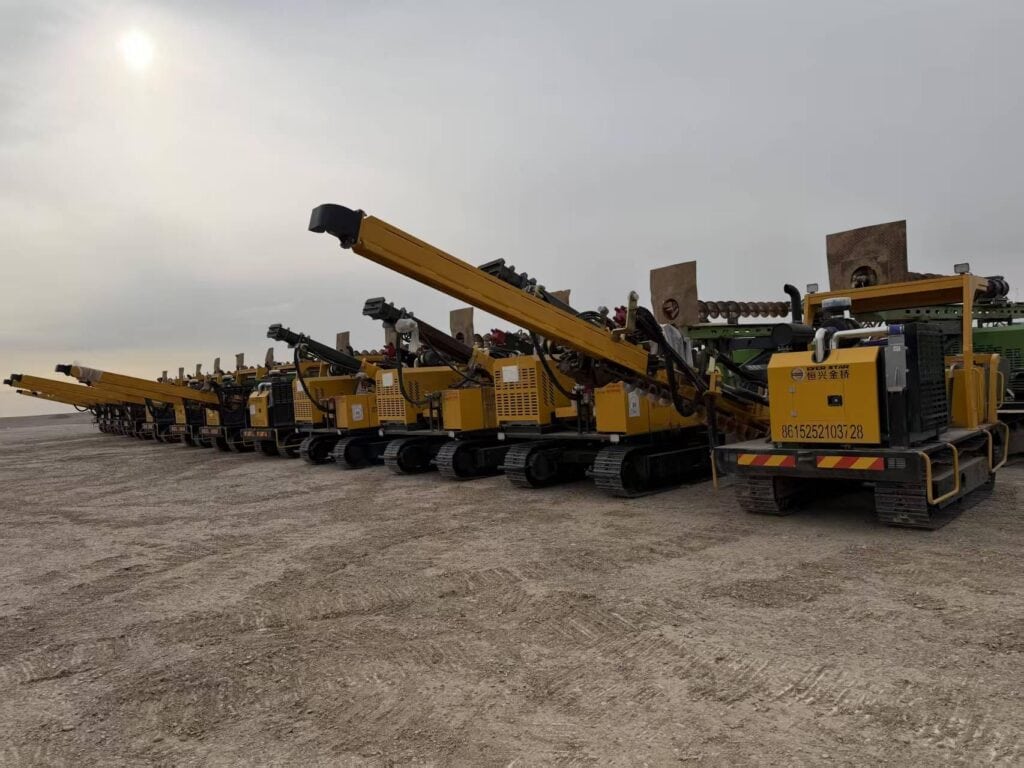
Achieving maximum productivity during solar project execution requires flawless operational control over the driving process. However, unpredictable weather conditions and tough soil profile variations can hinder the machine from achieving deep ground penetration. For utility-scale projects, maintaining strong structural stability and foundation quality is crucial for long-term structural performance. When facing hard or rocky terrain, pile drivers must demonstrate the ability to maintain high speed without sacrificing safety or structural integrity. Without a reliable solar piling machine, unexpected ground resistance can stall the installation workflow, drastically reducing daily productivity and creating costly jobsite downtime.
As global energy demands increase, manufacturers are continually pushing the boundaries of engineering to support the global future of energy. By delivering continuous support and suitable heavy machinery, leading brands enable contractor teams to complete every solar farm on time and within budget. Modern pile drivers deliver high efficiency, excellent durability, and precise control needed for constructing durable foundations. By overcoming unpredictable weather conditions and difficult ground challenges, contractors can maximize overall jobsite productivity, streamline pile placement, and lead the way in construction excellence for a cleaner, greener tomorrow.
FAQs
How can I reduce downtime when operating a solar pile driver?
To reduce solar pile driver downtime, perform pre-operation inspections, maintain proper hydraulic oil levels, replace filters according to the recommended schedule, inspect hoses for leaks, and keep drilling tools clean. Proper operator training and stable jobsite conditions can also help prevent avoidable interruptions.
What are the common signs of hydraulic problems in a solar pile driver?
Common warning signs include reduced hydraulic power, abnormal noise, excessive oil temperature, visible oil leaks, and inconsistent machine movements. Stop the machine when necessary, inspect the system safely, and consult a qualified technician if the problem persists.
Contact EVERSTAR for Solar Pile Drivers
Looking for a reliable solar pile driver for your solar farm projects? EVERSTAR offers solutions for different pile driving requirements and jobsite conditions. Contact our team to discuss your project needs and find the right equipment for your application.

