
Key Takeaways
- Seasonal soil changes impact ramming machine performance: frozen soil increases resistance, and wet soil raises alignment risks.
- Frozen soil requires DTH pilot-hole drilling before ramming to maintain output and protect piles.
- Wet season installations need slower advancement and closer accuracy checks for pile stability.
- Pre-season soil assessments guide attachment choice, pile sequencing, and output targets before arrival.
Solar farm projects often cross seasons, with soil conditions changing significantly. These shifts affect the resistance a ramming machine faces, pile precision, and pile safety.
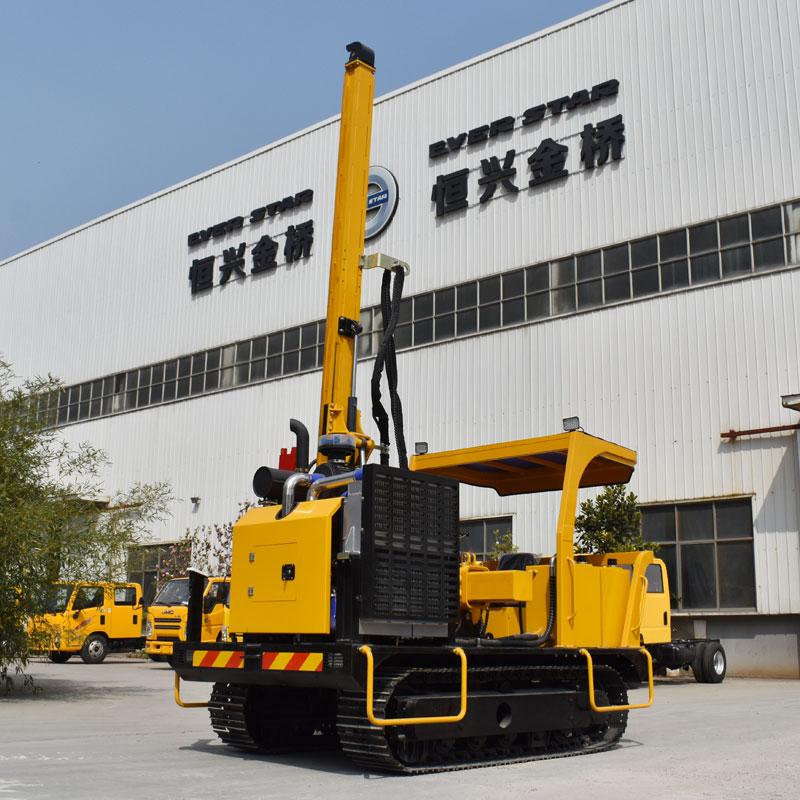
EVERSTAR solar pile drivers deliver 200-300 piles daily under optimal conditions on flat terrain. Maintaining this output amid seasonal changes requires planning.
This guide explains how cold, frozen, and wet soils affect pile driver output, what adjustments help, and how EPC contractors plan accordingly.
EVERSTAR’s guide to effective solar farm piling offers comprehensive best practices for optimized performance, integrating seasonal ground condition management directly into installation planning.
How Seasonal Soil Types Affect Solar Pile Driver Resistance and Output
A ramming machine’s output varies with soil condition.
Frozen or saturated ground changes resistance and affects daily pile counts unless adjustments are made, especially when a hydraulic solar pile driver is specialized equipment designed to install posts for solar power and other renewable energy projects using hydraulic power for stable foundations while working across changing ground conditions.
EVERSTAR solar pile drivers provide consistent power and precision, and their hydraulic system ensures quick pile driving with high accuracy to improve productivity and reduce delays, but each soil type demands specific changes to attachments, pile sequence, and output targets.
Frozen and Cold Soil: Increased Resistance and Pile Driver Adjustment
Frost increases soil resistance beyond what direct ramming can handle efficiently. Frozen layers require more force and risk damaging piles and equipment.
The solution is method switching: use DTH drilling to create a pilot hole through frozen layers before ramming piles.
EVERSTAR’s pile driver accessories include DTH drill hammers up to 3,500mm and auger drills up to 4,000mm for softer pre-drilling, and the hydraulic solar pile driver is designed to handle different types of photovoltaic rods and posts for different installation needs. This maintains power and protects equipment.
Temperature alone doesn’t dictate switching; operators assess zones individually. In partial frost, direct ramming continues where possible; DTH applies only where resistance is highest, optimizing efficiency and reducing wear.
Wet Season and Waterlogged Soil: Alignment Risk and Solar Piles Stability
Saturated soil lowers resistance, allowing faster pile driving but reducing lateral support. Piles risk deviating from vertical and may shift as soil dries and contracts.
Operators slow advancement for soil to stabilize and perform frequent alignment checks. EVERSTAR’s mast and guide rail systems support precision across soils. One team member can monitor and adjust pile sequencing in real time.
Pre-installation drainage assessment identifies shrinkage risk zones so movement monitoring can be included in quality plans, reducing post-installation issues.
Seasonal Planning Decisions That Protect Solar Piles Schedules
Pre-season planning helps projects absorb soil condition changes without delays. A ramming machine arriving with soil data, pre-selected tools, and a pile sequence plan maintains output even in tough conditions. Skipping soil evaluation risks rework and missed targets.
Pre-Season Soil Assessment: What to Evaluate Before the Ramming Machine Arrives
Cold climates require frost depth mapping to identify zones needing DTH pre-drilling and to define the ramming window for direct operation.
Wet climates need drainage mapping to plan workable zones, sequence piles for drier windows, and assess access routes affecting equipment mobility.
Dry seasons require compaction assessment; dense soil may need auger pre-drilling similar to frozen soil to prevent unexpected resistance.
Attachment Selection and Sequence Adjustment for Seasonal Conditions
When assessments indicate, attachment selection and pile sequence adjust accordingly, and minimum deployment lengths may apply depending on project scope or site conditions. Pre-boring with augers reduces surface resistance, protecting piles and equipment.
Sequence prioritizes better soil zones first. Variable frost or drainage zones get direct ramming first, then adjusted methods for tougher zones, maximizing early output.
Output targets must reflect actual soil conditions to avoid forcing the machine beyond limits or skipping accuracy checks, especially where robotic guidance compares more favorably than traditional methods for consistency.
Climate-Specific Considerations for Solar Farm Installation Planning
Seasonal soil management varies by climate: cold climates face frost seasons; tropical farms manage monsoons; arid climates see compaction shifts.
This guide applies to EVERSTAR’s scope: flat terrain, 4-6m piles to match photovoltaic installation needs, with pile lengths suited to small- to mid-scale projects. For more, see EVERSTAR’s pile driver specifications guide.
Cold Climate Solar Farms: Managing Frost Depth and Pile Driver Windows
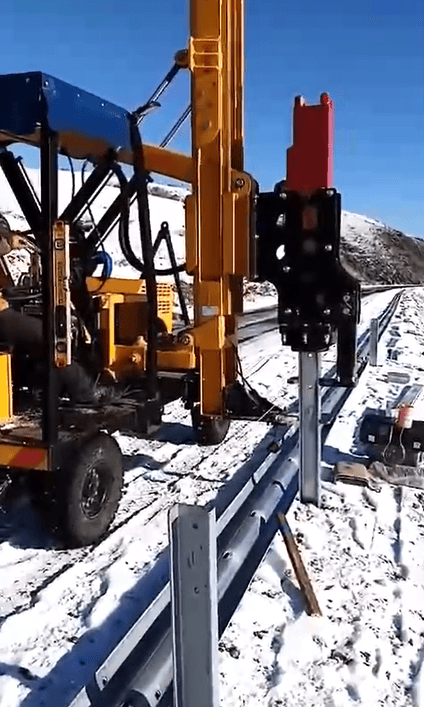
Cold projects have a clear pile driving window between spring thaw and autumn freeze. Planning within this avoids frozen soil issues. When installation spans shoulder seasons, zone-by-zone frost mapping guides DTH pre-drilling where needed, with direct ramming elsewhere.
EVERSTAR drivers operate reliably in cold, with built-in safety and maintenance features ensuring power and precision across seasons.
FAQ — Solar Ramming Machine Safety Features in Seasonal Conditions
How does frozen soil affect solar ramming machine pile installation output?
Frozen soil increases resistance beyond direct ramming limits, reducing output if unadjusted. DTH pre-drilling creates pilot holes to maintain output. Zone assessments determine where pre-drilling is needed; direct ramming continues in shallow frost areas.
What attachment adjustments are needed for wet season solar pile installation?
Wet-season installations mainly require operational changes: slower advancement, increased monitoring, and drainage assessment. In very soft soils, auger pre-boring supports pile accuracy where direct ramming is insufficient.
Seasonal Planning Keeps Solar Pile Driver Schedules Intact
EVERSTAR solar pile drivers maintain output when seasonal soils are planned for by:
- Assessing soil pre-arrival;
- Selecting tools and sequencing to soil types;
- Setting realistic output targets;
- Including movement monitoring where needed, with fewer complex components to help reduce maintenance frequency.
EVERSTAR offers full attachment sets for seasonal conditions, and routine upkeep typically needs only basic hand tools and visual inspections, such as checking the oil reservoir, inspecting coupling bolts, and cleaning dust and debris from the machine’s exterior.
Industry guidance from The International Association of Drilling Contractors (IADC) reinforces the importance of pre-mobilization ground assessment as a foundation for consistent pile driving output across seasonal conditions.
Contact EVERSTAR for Solar Ramming Machine Guidance and Seasonal Site Planning Support
EVERSTAR’s pile driver products ensure solar installations meet seasonal performance standards.
Contact EVERSTAR to discuss your project, compare models across the product range, review safety features, and request a quote, with model advice and seasonal planning support tailored to specific project needs.

