
Learn the most common hydraulic and solar pile driver issues, from pressure drops to alignment errors, and discover how to troubleshoot them fast.
Key Takeaways
- In large-scale civil engineering projects, choosing the right pile driver is crucial to maintaining the construction schedule, while understanding common pile-driving equipment failures is key to ensuring operational efficiency and completing projects on time.
- Hydraulic pile drivers primarily generate impact force through stable hydraulic pressure. However, hydraulic losses, oil contamination, and wear of internal impact components can cause a gradual reduction in piling force.
When undertaking massive groundwork for modern infrastructure, bridges, or a large-scale solar field, civil engineering operations demand uncompromised structural stability. Pile foundations serve as the anchor for these installations, and selecting the right machines and equipment is critical to executing every task on time. Among various piling technologies—ranging from traditional diesel and air hammers to modern hydraulic hammers—the hydraulic pile driver and specialized solar pile driver have become the primary power driven tools for precision pile driving.
However, no matter how robust your service strategy or how high your team’s dedication and pride are, unexpected mechanical demands on the system can trigger early equipment fatigue. Understanding common piles and hammer failure modes helps people, site managers, and team members meet project milestones quickly, maintaining optimal site efficiency and high-speed speed from the very start.
Common Hydraulic & Mechanical Issues in Pile Drivers
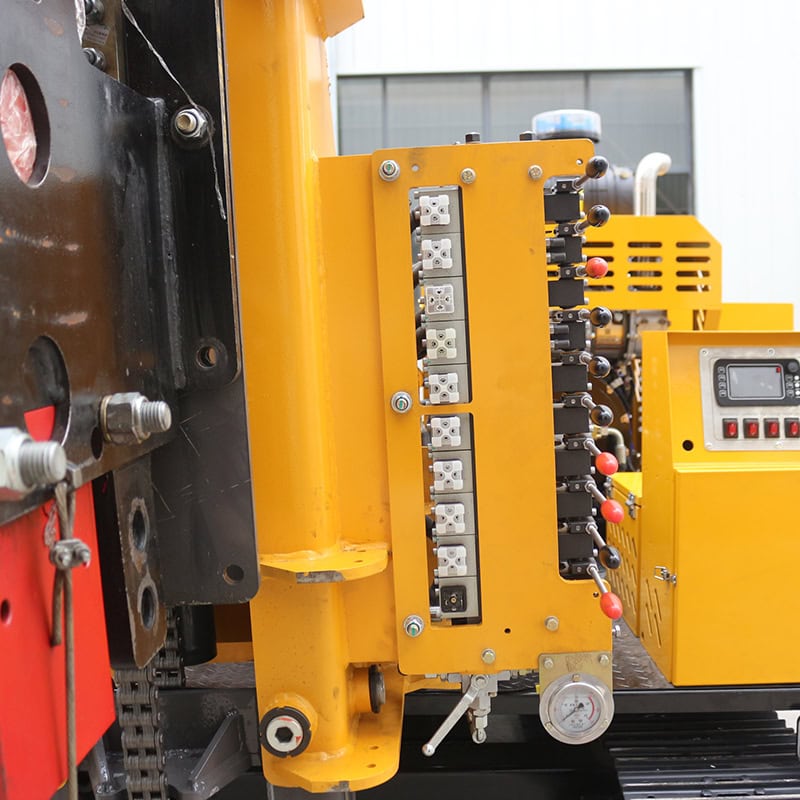
In heavy-duty piling—such as driving heavy steel pipe casings for bridges or structural piles into rocky terrain—a hydraulic pile driver relies on steady fluid pressure to generate impact power. Unlike older air hammers that rely on compressed air, hydraulic systems are susceptible to fluid contamination and pressure drops.
Hydraulic Pressure Loss & Fluid Degradation: Continuous high-frequency vibration during pile driving can loosen hose fittings and erode pump seals. If the hydraulic fluid degrades, the hammer loses driving force, drastically reducing operational efficiency on the project.
Impact Mechanism Wear: Whether using high-frequency hydraulic hammers or classic air hammers, internal strikes cause wear on anvil blocks and driving caps. Identifying these symptoms early protects the machine’s internal core.
1.Drilling Power Insufficient / Low System Pressure
Fault Symptoms:
- Reduced impact force of the hydraulic hammer
- Slow piling speed
- Unable to continue penetration when encountering hard soil layers
- Pressure gauge reading below the normal operating pressure
Possible Causes:
1.Main Relief Valve Failure
- Valve spool stuck due to iron filings or contaminants
- Damping orifice blocked
- Spring fatigue or loss of elasticity
- High-pressure oil directly returning to the hydraulic tank
2.Hydraulic Pump Wear
- Increased internal clearance inside the pump
- Severe internal leakage
- Unable to build up the rated pressure
3.Insufficient Hydraulic Oil
- Oil level too low
- Hydraulic pump drawing in air (pump cavitation risk)
4.Poor Sealing of the Suction Pipe
- Air entering the hydraulic system
- Cavitation occurring in the system
5.Internal Leakage of Hydraulic Cylinder
- Damaged piston seals
- Oil leakage between the high-pressure and low-pressure chambers
Solutions
- Check the working pressure gauge
- Clean or replace the main relief valve
- Check hydraulic pump efficiency
- Refill with hydraulic oil that meets the required specifications
- Replace damaged sealing components
2.Power Head Oil Leakage
The main causes include oil seal wear, spindle damage, and grooves formed at the oil seal contact position.
Causes:
- Wear of the frame oil seal
- Scratches or damage on the spindle
- Damage to the bearing area
Solutions:
- Replace the oil seal
- Repair or replace the spindle
- Inspect the bearings
Rotary Motor Mount Cracking
Causes:
- Impact generated during high-torque drilling operations
- Guide rail not properly aligned vertically
- Welding fatigue
Solutions:
- Reinforce the mounting bracket
- Optimize the welding process
- Avoid off-center loading during rotation
3.Engine Fails to Start
Causes
- Insufficient battery power
- Damaged start switch
- Blown fuse
- Loose wiring connections
- Fuel solenoid valve failure
Solutions
- Check the battery
- Inspect the wiring connections
- Replace damaged components
| Problem | Main Cause | Solution |
| Pile cannot penetrate | Rock layer or large stones | Switch to drilling mode |
| Pile deviation | Incorrect vertical alignment or eccentric loading | Adjust guide rail |
| Pile head damage | Incorrect impact parameters | Replace chisel cap |
| Excessive vibration | Loose connection or eccentric installation | Inspect connection components |
| Repeated oil leakage | Oil contamination or damaged seals | Clean system and replace seals |
Specialized Quality & Alignment Challenges in Solar Field Operations
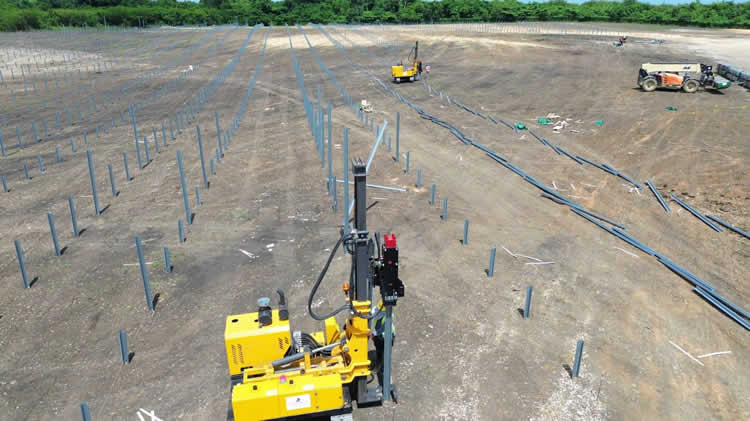
Operating within a solar field requires a different approach than traditional construction. A solar pile driver is specifically designed to move quickly from post to post, installing hundreds of tracker supports every day. Here, precision and positioning speed are paramount.
Mast Alignment Drift & Tracking Errors: A recurring quality issue in solar field operations is mast mis-alignment caused by constant chassis vibration. Even a slight error leads to crooked piles, failing to meet strictly calculated tolerances for solar tracker installation.
Component Fatigue Under High Daily Volume: Because a solar piling task involves repetitive driving of standardized steel pipe or C-channels, small mechanical faults can escalate into major downtime. Ensuring proper alignment step-by-step protects both the pile head and the mast assembly.
Preventative Maintenance & Pile Driving Protection
To protect your equipment investment and maintain high operational speed, contractors must implement a structured maintenance protocol from day one:
- Daily Hydraulic & Mechanical Checks: Inspect high-pressure lines on both hydraulic hammers and air hammers for micro-cracks or leaks.
- Alignment & Sensor Calibration: Regularly verify automated alignment systems on your solar pile driver to ensure every pile is placed with exact vertical precision.
- Professional Service & Upgrades: Partner with reputable manufacturers who take pride in offering high-quality service and technical support.
FAQs
What Measures Should Be Taken When a Pile Driver Encounters a Failure During Construction?
1. Stop the Machine Immediately and Release the Load:Press the emergency stop button to shut down the engine. If the hydraulic hammer is suspended in the air, carefully lower it to the ground. Never leave the hammer suspended unattended.
2. Isolate the Work Area and Cut Off Power:Set up warning barriers and prevent unauthorized personnel from approaching the equipment to avoid accidental startup or injuries caused by high-pressure hydraulic oil leakage.
3. Record the Failure Symptoms:Take photos of the faulty components and any error codes displayed on the control panel. Record abnormal signs before shutdown, such as unusual noises, pressure drops, overheating, or jamming.
4. Perform a Basic Visual Inspection:Check for broken hydraulic lines, oil leakage, loose electrical connections, or insufficient oil levels. Do not disassemble high-pressure hydraulic valve blocks or core components without authorization.
5. Contact Professional After-Sales Support:Send the fault codes and on-site photos to the equipment manufacturer or maintenance team to obtain remote technical guidance or arrange for an engineer to provide on-site service.
What are the most common signs of hydraulic system failure in pile drivers?
The most common early indicators include excessive noise or whining from the pump, unusually high fluid temperatures, sluggish driving power, fluid leaks around hoses and seals, and erratic movement of the hammer or lead. Addressing these signs early prevents major component failure and severe downtime.
Contact EVERSTAR for Machine Backed by Reliable After-Sales Service
Just contact EVERSTAR for solar machines according to the requirements on construction site. Experts in EVERSTAR will offer the appropriate purchase plan for you to meet expectations.

