

Key Takeaways
- Selecting the correct rock drilling rig and bit design is essential for penetration efficiency in hard rock piling projects.
- Optimized drilling parameters such as torque, RPM and crowd force improve drilling stability and production.
- Effective flushing systems maintain borehole cleanliness and drilling efficiency in fractured rock.
- Durable EVERSTAR drilling equipment supports reliable operations in mining, quarries and infrastructure construction.
- Monitoring wear, deviation and refusal signals helps maintain safety and reduce downtime.
Hard formations such as granite, basalt and compact sedimentary rock demand specialized rotary solutions. A drilling rig for rock must provide powerful torque delivery, controlled feed force and precise parameter management to achieve stable penetration during hard rock piling operations.
Modern rock drilling rig configurations combine heavy rotary systems, robust drilling equipment and advanced rock drill technologies designed for large-diameter foundation drilling.
This article examines rotary drilling methods, rock drilling machines, and bit selection strategies used in demanding construction and surface mining projects. Whether customers are working on deep foundations, soil nailing reinforcement, or anchoring systems, understanding the right approach is critical.
Emphasis is placed on tricone cutters, down the hole hammer tools and efficient flushing systems, with the addition of practical guidance for drilling depths up to 130 m.
Contractors rely on the right equipment configuration to maintain efficiency, safety, and drilling quality under extreme rock conditions.
Bit Selection: Matching Rotary Tools to Rock Hardness and Type
Choosing suitable rock drill tools significantly affects penetration rate, wear life and borehole quality. Different formations such as igneous, fractured limestone or layered sedimentary rock require specific drilling tools, tooth geometry and cutter material strength.
Tricone, PDC, and Hammer Drilling Bit Options for Different Rock Strengths
Tricone bits remain a standard choice for medium to hard formations due to their rolling cutting action, balanced load distribution, and relatively low cost compared with some premium cutter options.
PDC cutters offer efficient shearing performance in abrasive rock, where bearing wear can reduce production. They are widely used in continuous rotary drilling for deep foundation applications.
In extremely hard formations above 200 MPa, hammer drilling and down the hole systems deliver strong impact energy. These powerful solut ions are frequently deployed in quarries, anchoring works, soil nailing projects and large-scale construction drilling projects.
Tool Geometry: Teeth, Bearings, and Junk Slots
Bit geometry directly influences penetration capability and drilling efficiency. Higher tooth counts increase cutting contact area in dense rock, while sealed bearings extend tool life in abrasive environments.
Gauge protection helps maintain accurate borehole diameter, and enlarged junk slots improve debris evacuation. Efficient removal of cuttings prevents overheating and supports stable foundation drilling in fractured formations.
These features make advanced rock drilling machines ideal for demanding applications across construction, mining, and infrastructure development.
Drilling Parameters: RPM, Torque, and Crowd for Rock Penetration
Balanced parameter control is essential for productive rock drilling. Rotary speed, torque output and crowd force interact with formation strength to determine penetration rate and tool life.
Large surface drill rigs typically operate between 50 and 150 RPM depending on rock hardness. Torque levels ranging from 200 to 500 kNm are common in heavy foundation piling operations.
Incorrect settings may cause vibration, excessive heat or premature spline wear on rotary systems.
Optimizing RPM, Torque, and WOB in Hard Rock on Surface Drill Rigs
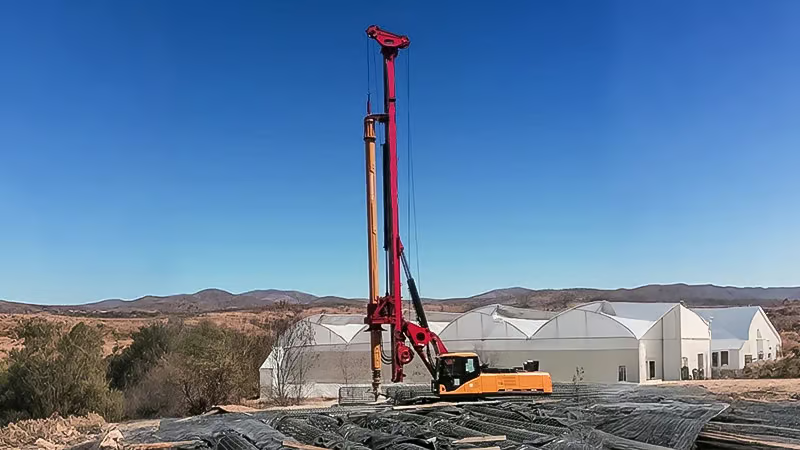
Maintaining weight-on-bit between 10 and 30 tons helps sustain steady penetration without damaging cutters or bearings. Lower rotational speed is usually preferred in high-strength formations to improve tool control.
Gradual parameter ramp-up allows the drill rig to stabilize torque delivery. This approach reduces shock loads that can break cutters or shorten equipment lifespan.
Proper parameter management improves precision, production rates and operational reliability across complex construction sites.
Flushing and Cuttings Removal in Rocky Ground
Efficient flushing is crucial for maintaining borehole cleanliness and wall stability. Rotary rigs typically use fluid circulation between 500 and 2000 L/min to transport cuttings to the surface.
Water flushing improves cooling and reduces tool wear. In fractured zones, proper casing installation enhances borehole support and drilling reliability.
Mud vs Air Flushing: Pros in Rock Drilling
Mud systems using bentonite additives are suitable for unstable formations requiring wall stabilization. Typical pump pressures range from 800 to 1500 psi.
Compressed air flushing provides faster penetration in dry competent rock and is widely applied in surface mining and quarry operations. However, dust suppression and operator protection remain essential.
Handling Swarf Buildup and Protecting Drilling Equipment in Rocky Ground
Accumulated swarf can reduce penetration rates and increase tool temperature. High-velocity flushing jets help remove debris and sustain steady production.
Polymer additives improve slurry viscosity and cuttings suspension in weak rock layers. Advancing single- or double-wall casing improves borehole stability and reduces collapse risks in fractured formations.
Drill Rig Maintenance for Extreme Rock Conditions
Regular maintenance is essential for reliable rock drilling rig performance. Continuous exposure to high loads and abrasive formations increases stress on the drill pipe, hydraulic systems and rotating components.
Lubrication, inspection and replacement of worn parts help maintain operational efficiency and reduce unexpected downtime, especially for contractors who document maintenance and performance indicators under frameworks such as GRI (Global Reporting Initiative) Standards for sustainability reporting.
Well-maintained rigs improve operator comfort, extend equipment life and support stable production in demanding drilling environments.
Safety Considerations in Rock Drilling Operations
Working with heavy rock drilling machines, down the hole systems and powerful rotary rigs requires strict safety procedures.
Operator training, equipment inspections and adherence to site safety standards reduce accident risks such as vibration-related fatigue or flying debris, especially when crews check critical systems before each shift.
Companies that invest in robust drilling solutions and structured safety programs improve job reliability and maintain industry credibility.
FAQs – Drilling Rig for Rock
Which rotary bit is best for very hard rock?
Single-roller bits and DTH hammer tools are widely used in extremely hard formations such as granite. Their impact-driven cutting mechanism improves penetration efficiency and reduces wear compared with conventional rolling bits. Final selection depends on rock strength, drilling depth and torque capability of the rig.
How does flushing affect rock drilling rates?
Effective flushing removes cuttings, cools the bit and stabilizes the borehole. Poor circulation leads to recutting, overheating and slower penetration. Both mud and air systems can significantly improve productivity when matched to formation conditions and drilling parameters.
Mastering Rotary Rock Drilling for Reliable Deep Foundations
Consistent performance in hard rock piling depends on selecting appropriate bit types, optimizing drilling parameters and maintaining efficient flushing systems.
Heavy rotary rigs equipped with durable drilling tools provide the stability required for deep foundation and mining applications, where components may face thousands of repeated loading cycles.
EVERSTAR solutions are designed to deliver reliable performance in demanding environments.The company’s ability to address a wide range of drilling needs, from soil nailing and foundation piling to oil field exploration, sets it apart in a competitive market.
Optimize Your Rock Drilling Rig With EVERSTAR Bits
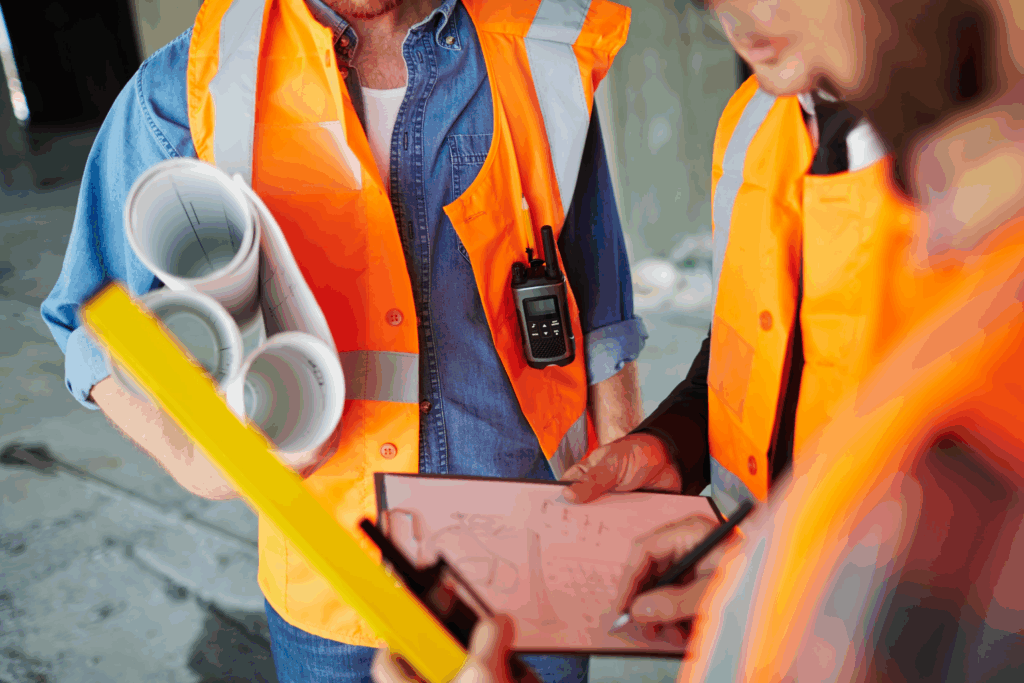
Contractors planning new projects should consult EVERSTAR specialists with rock strength data and rig specifications. There is no need to wait, the team is ready to support every stage of project planning and execution.
The company offers a wide range of products for sale, including tricone bits, DTH systems and rotary rigs suitable for construction, surface mining, anchoring and a variety of exploration applications.
With tailored guidance rooted in deep technical knowledge, EVERSTAR customers benefit from advanced rotary technology that helps operators improve drilling performance, reduce downtime and achieve dependable results in challenging rock environments.
Whatever the drilling needs of a project, EVERSTAR has the ability to deliver effective, lasting solutions.

